
Lawn
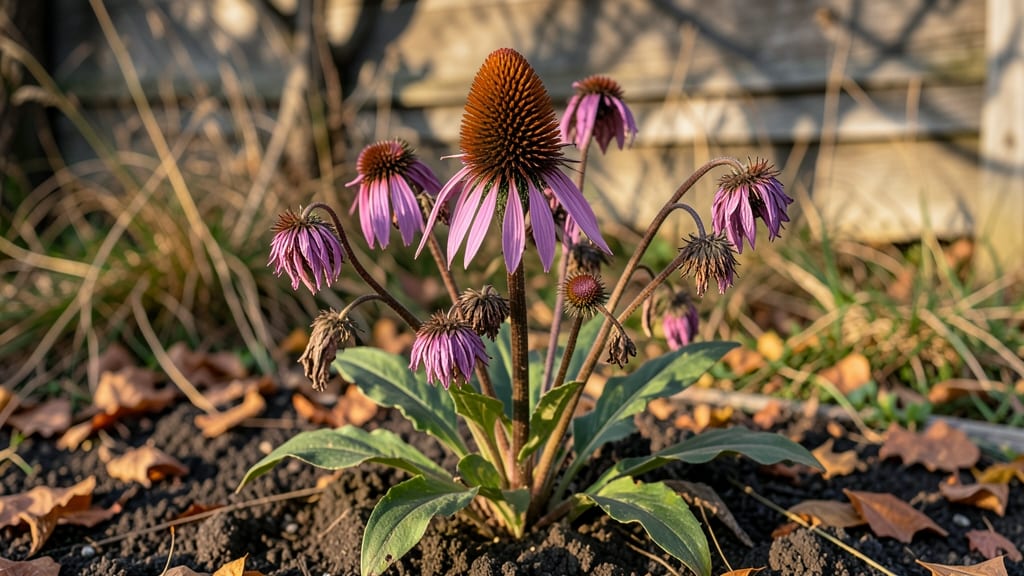
Echinacea seed heads hold the secret to next year's blooms—and they're far more useful dried than you might think. 🌿 I've learned the hard way that improper drying leads to moldy messes, so here's how to preserve them perfectly for seed saving, winter arrangements, or even bird feeders.
Start by harvesting fully browned seed heads in late fall, then bundle stems and hang upside down in a dry, well-ventilated space for 2-3 weeks. The key is patience—rushing the process risks moisture trapped inside, which invites pests or mold.
A simple paper bag over the heads speeds drying while keeping debris out.
Once completely dry, store seeds in airtight containers where they'll stay viable for 3-5 years. The papery seed heads also make stunning dried arrangements that last through winter, their rusty tones brightening gray days. Plus, leaving a few on stems feeds birds through harsh months.
For troubleshooting, watch for dampness—if mold appears, spread heads out immediately. And don't toss those "ugly" dried blooms: they're perfect for crafting or adding texture to winter gardens. Here's how to make them work for you all year.
📚 In This Guide
- What you need
- Instructions
- Tips and common mistakes
- Wrapping up and next steps
What you need
- ● Fresh echinacea seed heads: Harvest when fully mature (brown and dry) but before seeds scatter. Aim for at least 10-15 heads for a reliable seed supply.
- ● Pruning shears or sharp scissors: Clean, sterilized tools to snip stems without damaging seeds.
- ● Brown paper bags or breathable mesh bags: 2-3 bags (10x12 inches each) to allow airflow and prevent mold.
- ● Drying rack or tray: A flat, elevated surface (like a wire rack or cardboard box with holes) to air-dry seeds.
- ● Labeling tags and marker: To tag bags with variety names and harvest dates.
- ● Fine-mesh sieve or colander: For gently separating seeds from chaff after drying.
- ● Air-tight storage containers: 1-2 containers (glass jars or resealable plastic bags with silica gel packets for moisture control).
- ● Desiccant packets: Place 1-2 in storage containers to absorb excess humidity.
- ● Freezer-safe bags: For long-term storage (-0°F or below) to extend seed viability.
- ● Humidity monitor: A small digital hygrometer to track storage conditions (ideal: <30% humidity).
- ● Seed catalog or notebook: To log germination rates and notes on each batch.
How to dry and store echinacea seed heads for next year’s garden
Turn your spent echinacea blooms into next season’s plants with this simple drying and storage method.
🌿 Step 1: Harvest Mature Seed Heads at the Right Time
Wait until the seed heads are fully brown and the petals have fallen away naturally. This usually happens in late summer or early fall, depending on your climate. Cut the stems with 4-6 inches of stalk remaining—this gives you room to work without losing the seed head.
Harvest on a dry day when humidity is low. Wet seed heads take longer to dry and may develop mold. I like to gather them in the morning after the dew has evaporated, as the stems are still firm and the seeds are protected from rain.
💧 Step 2: Clean and Prepare the Seed Heads for Drying
Gently remove any remaining petals or debris from the seed heads, but leave the dry, papery bracts intact. These protect the seeds during storage. Place the cleaned heads in a single layer on a paper towel-lined tray or hang them upside down in small bundles with twine.
If you’re drying indoors, choose a spot with good airflow, like a shelf near a window or an open pantry. Avoid direct sunlight—it can overheat the seeds and reduce viability. You’ll know they’re ready when the seed heads feel completely dry and the seeds rattle inside when shaken.
☀️ Step 3: Store Seeds in a Cool, Dry Place
Once fully dry, separate the seeds from the bracts by gently rubbing them between your fingers or tapping the dried heads over a bowl. Store the seeds in a paper envelope or small glass jar—paper breathes better and prevents moisture buildup, which can cause mold.
Label each container with the echinacea variety and the harvest year. Store in a cool, dark place like a pantry or seed drawer. Echinacea seeds remain viable for 2-3 years if kept dry and cool, so don’t rush to plant them—wait until spring for the best germination.
⏰ Step 4: Test Viability Before Planting Next Season
Before sowing, check seed viability by placing a few seeds between damp paper towels in a sealed bag. Keep them in a warm spot and check daily. If 50% or more sprout within 10-14 days, your seeds are good to go. If germination is poor, try storing them for another year or collect fresh seeds.
When planting, scatter seeds on the soil surface—they need light to germinate. Press them lightly into the soil and keep it consistently moist until sprouts appear. Patience pays off, as echinacea seeds can take 2-3 weeks to break through the soil.
Tips & tricks for perfect echinacea seed head preservation
Here's what I've learned after saving seeds from my garden for years—these little details make all the difference.
Harvest Timing: The key is waiting until the seed heads are completely brown and the petals have naturally fallen away. If you harvest too early, the seeds won't be fully mature, and if you wait too long, they might scatter. I always check by gently squeezing a seed head—if it feels dry and papery inside, it's ready. Harvesting in the morning after dew has evaporated gives you the cleanest, driest seed heads.
Drying Strategy: For best results, spread your seed heads in a single layer on paper towels rather than stacking them. This ensures even airflow and prevents mold. If you're drying indoors, position them near an open window or fan—just avoid direct sunlight, which can overheat and damage the seeds. You'll know they're fully dry when they feel light as a feather and the seeds rattle inside when shaken.
Storage Wisdom: Paper envelopes are my go-to for seed storage because they allow moisture to escape while keeping pests out. Glass jars work too, but I always add a small packet of silica gel to absorb any lingering moisture. Label each container with both the echinacea variety and the harvest year—this helps track viability over time. Store them in the coolest, darkest spot you have, like the back of your pantry or seed drawer.
Viability Test: Before planting, I always do a quick viability test by placing a few seeds between damp paper towels in a sealed bag. Keep it in a warm spot and check daily. If you see 50% or more sprouting within 10-14 days, your seeds are ready to plant. This simple test saves you from wasting time with old seeds that might not germinate.
Pro Tips for Echinacea Seed Heads
- Here's what I've learned after saving seeds from my garden for years—these little details make all the difference.
- Harvest Timing: The key is waiting until the seed heads are completely brown and the petals have naturally fallen away.
- Drying Strategy: For best results, spread your seed heads in a single layer on paper towels rather than stacking them.
Frequently asked questions
Got questions about preserving echinacea seed heads for next season? You’re not alone! Here are some common queries—and straightforward answers—to help you keep those seeds viable and ready to plant.
When is the best time to harvest echinacea seed heads?
Harvest seed heads once they’ve turned light brown and papery (usually late summer to early fall). Wait until the cones open slightly—this signals seeds are mature but not yet scattered. Avoid harvesting if rain is forecasted, as damp seeds spoil faster.
How long do dried echinacea seeds stay viable for storage?
Properly dried and stored seeds remain viable for 1–3 years. Store them in a cool, dark place (like a sealed jar in the fridge) to prevent moisture loss. Test viability annually by planting a few seeds—if germination drops below 50%, refresh your supply.
Can I save seeds from store-bought echinacea plants?
Yes! Many nursery plants are grown from seed, so their seed heads are viable. Just ensure the plant wasn’t treated with chemicals (like some commercial varieties). Opt for heirloom or organic plants for the best results.
What’s the ideal drying method for echinacea seed heads?
Hang heads upside down in a dry, well-ventilated spot (like a garage or shed) for 2–3 weeks. Avoid direct sunlight or heat sources—slow drying prevents mold. Once fully dry, gently rub the cones to release seeds (or shake them over paper).
Why are my echinacea seeds not germinating after drying?
Check these common issues:
- Improper drying: Seeds may still be damp (test by crushing a few—if they feel soft, dry longer).
- Old seeds: Viability drops after 3+ years. Try fresh seeds or stratify (chill) them for 4–6 weeks to mimic winter.
- Poor soil: Echinacea thrives in well-draining soil. Mix compost into planting beds for better results.
Wrapping up and next steps
Echinacea seed heads are a gardener’s secret weapon for year-round blooms—when stored properly!
By mastering the drying and storage process, you’ll ensure vigorous, healthy plants that thrive season after season. 🌱 Whether you’re a seasoned pro or just starting, these steps make it simple to preserve viability and extend your garden’s beauty.
Now that you’re equipped with the know-how, grab those seed heads and get preserving! Try experimenting with different drying methods to see what works best for your space. Happy gardening—your future echinacea blooms will thank you! 🌸