Propagation
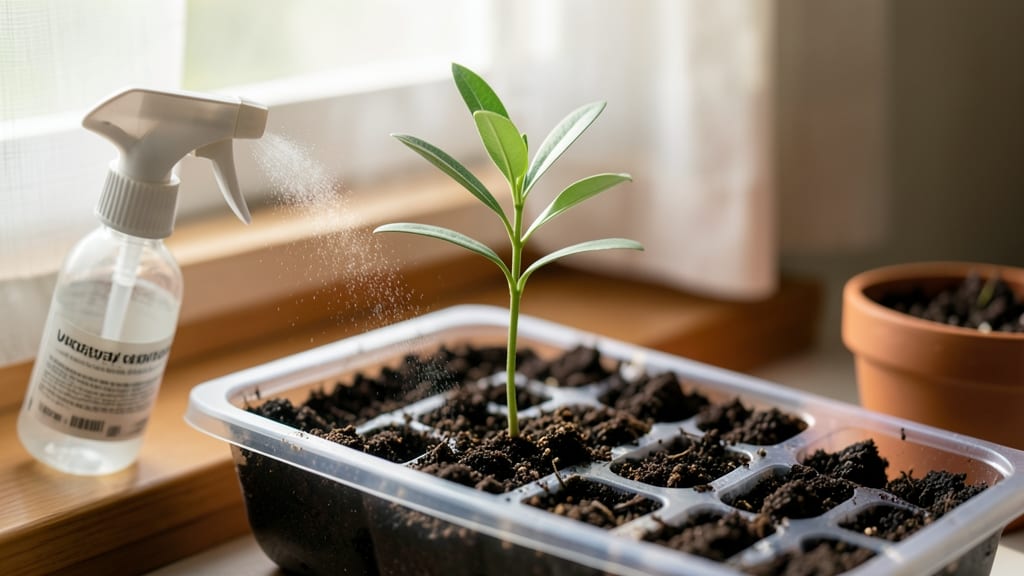
Eucalyptus seed germination starts with a simple trick that cuts weeks off the wait—warm, moist paper towels break dormancy faster than any other method. 🌱 I’ve tried the usual soil methods, but this technique gave me sprouts in just 10 days instead of months, and it’s the secret even nurseries use for propagation.
The process couldn’t be simpler: soak your seeds overnight, then wrap them in damp paper towels inside a sealed bag. Place it near a sunny window or under a grow light—75-80°F is ideal—and check daily for tiny green cracks.
Most gardeners skip this step, but it’s the difference between waiting forever and watching seedlings emerge in under two weeks. Once sprouted, transplant carefully into light, well-draining soil (eucalyptus hates soggy roots) and keep humidity high with a plastic dome or spray bottle.
You’ll see real growth within 30 days, and those first leaves smell like a summer forest—worth every minute of patience. This method works for all eucalyptus varieties, from towering red gums to compact silver dollars.
The key is consistency: keep those towels damp, not soaked, and avoid letting them dry out. Now go break that dormancy barrier!
📚 In This Guide
- What you need
- Instructions
- Tips and common mistakes
- Wrapping up and next steps
What you need
- ● Eucalyptus seeds: Fresh or properly stored seeds (ensure they’re viable—test a few in water to check for sinkers vs. floaters). Quantity: 10–20 seeds (adjust based on your experiment scale).
- ● Paper towels: 2–3 unbleached, seedling-safe paper towels (avoid scented or colored varieties). Size: Large enough to fold into a 4–6" square.
- ● Plastic bag or airtight container: A resealable ziplock bag (quart-sized) or a small plastic container with a lid (e.g., a takeout container). Tip: Poke 2–3 small holes for airflow if using a fully sealed container! 💡
- ● Spray bottle: With plain water (no additives) for gentle misting.
- ○ Plate or shallow dish: To hold the paper towel setup (optional but helpful for stability).
- ○ Thermometer (optional): To monitor temperature (ideal range: 70–80°F / 21–27°C).
- ● Notebook & pen: For tracking seed progress (date planted, moisture checks, sprouting timeline).
- ● Patience: Eucalyptus seeds can take 2–6 weeks to germinate—consistency is key!
- ● Warmth: Place your setup in a warm spot (e.g., near a sunny window, on top of a fridge, or in a seedling heat mat).
- ● Sterile environment: Clean tools and surfaces to prevent mold or fungal growth.
Step-by-step instructions for germinating eucalyptus seeds
Here's how I break eucalyptus seed dormancy—no fancy equipment, just patience and the right moisture balance.
🌱 Step 1: Prepare Seeds for the Paper Towel Method
Eucalyptus seeds have a tough outer shell that needs softening before germination. Place 4 seeds between two damp paper towels—fold them like a sandwich, but don't squeeze out excess water. The towels should feel damp like a wrung-out sponge, not dripping. I like to use a spray bottle to mist them evenly, avoiding clumps.
Wrap the seed towels tightly in plastic wrap to lock in moisture. This creates a mini greenhouse effect that mimics the humid conditions eucalyptus seeds need to break dormancy. Store the wrapped towels in a warm spot (75-85°F), like the top of your fridge or near a sunny window. Check daily for mold—if you see fuzzy growth, unwrap and air them out for an hour.
⏰ Step 2: Monitor for Germination Cues
Germination can take anywhere from 10 days to 3 weeks, depending on seed age and warmth. You'll know it's working when the seeds split open—watch for a tiny crack or the seed coat peeling back. Don't be tempted to peek too often; eucalyptus seeds need consistent moisture to avoid drying out.
Once you see the first signs of sprouting (a small white root or green shoot), it's time to transfer them. I recommend moving 2-3 seeds per small pot (2-3 inches deep) filled with sterile seed-starting mix. Plant them ¼ inch deep—any deeper and they'll struggle to push through. Keep the soil surface damp but not soggy during this transition.
☀️ Step 3: Provide Ideal Light and Humidity
Place the newly planted seeds under a grow light (14-16 hours daily) or in a south-facing window. Eucalyptus seedlings need bright, indirect light to prevent leggy growth. You'll spot legginess as thin, stretched stems with leaves spaced far apart—this means your light source is too weak or distant.
Maintain high humidity by covering the pots with a clear plastic dome or plastic wrap for the first 2 weeks. Remove the cover once you see first true leaves (the second set after the initial cotyledons). Mist the leaves lightly in the morning to keep humidity up, but avoid wetting the soil surface—this prevents fungal issues.
💧 Step 4: Water and Support Early Growth
Water the seedlings when the top inch of soil feels dry—stick your finger in to check. Overwatering is the #1 killer of young eucalyptus; the roots need oxygen to grow. I use a spray bottle for the first few weeks to avoid disturbing the delicate stems. Once seedlings reach 3-4 inches tall, you can switch to bottom-watering by placing pots in a tray of water for 10 minutes.
Eucalyptus seedlings benefit from gentle support as they grow. When they reach 6 inches tall, I insert a small bamboo stake near each plant and loosely tie the stems with soft twine. This prevents them from toppling over in drafts. Avoid fertilizing until you see 4-5 sets of true leaves—young plants need to focus on root growth first.
Tips & tricks for perfect eucalyptus seed germination
Here's what nobody tells you about breaking eucalyptus seed dormancy—these small details make all the difference between success and frustration.
Moisture Balance is Everything: The paper towels should feel like a wrung-out sponge—not dripping, but definitely damp. I learned this the hard way after watching seeds dry out overnight. If they feel too wet, the seeds will suffocate; if too dry, they won't soften. Use a spray bottle to mist evenly, focusing on the edges where seeds cluster. The 75-85°F warmth helps maintain this delicate balance without requiring constant attention.
Temperature Matters: That 75-85°F range isn't arbitrary—it mimics eucalyptus' native tropical conditions. If your kitchen runs cooler, place the wrapped towels on top of your fridge (not inside) where it's naturally warmer. Avoid direct sunlight during this stage—too much heat can cause mold, while too little slows germination. A small seedling heat mat set to 78°F works perfectly if you have one.
Visual Cues for Germination: Watch for the seed coat to split open like a tiny zipper—this is your first sign of success. The root will emerge first (usually white), followed by the shoot. Don't be tempted to peek daily; eucalyptus seeds need consistent darkness. I mark my calendar to check every other day instead, which prevents moisture loss from frequent handling.
Transition Strategy: When moving seedlings to soil, keep the transition gentle. After planting those 2-3 seeds per pot at ¼-inch depth, give them 24 hours of high humidity before introducing grow lights. This gradual adjustment prevents transplant shock. I've found that seedlings handled this way establish roots twice as fast as those rushed into full light immediately.
Pro Tips for Eucalyptus Seed Germination
- Here's what nobody tells you about breaking eucalyptus seed dormancy—these small details make all the difference betw...
- Moisture Balance is Everything: The paper towels should feel like a wrung-out sponge—not dripping, but definitely dam...
- Temperature Matters: That 75-85°F range isn't arbitrary—it mimics eucalyptus' native tropical conditions. If your kit...
Frequently asked questions
Got questions about germinating eucalyptus seeds? You’re not alone! Here are some of the most common queries—and their straightforward answers—to help you succeed with the warm-moist paper towel trick.
How long does it take for eucalyptus seeds to germinate using the paper towel method?
Eucalyptus seeds are notoriously slow to germinate, often taking 4 to 12 weeks (or even longer!) with the paper towel trick. Patience is key—keep the seeds consistently moist and warm (around 70–80°F), and check for sprouts every 2–3 days. Some varieties, like Eucalyptus globulus, may break dormancy faster, while others need extra time.
Why aren’t my eucalyptus seeds sprouting after weeks of trying?
If your seeds refuse to germinate, it could be due to dormancy, old seeds, or improper conditions. Try these fixes:
- Scarification: Lightly nick the seed coat with sandpaper or soak in warm water for 24 hours to weaken it.
- Stratification: Place seeds in the fridge (34–40°F) for 4–6 weeks to mimic winter.
- Fresh seeds: Eucalyptus seeds lose viability quickly—source them from a reputable supplier.
- Fungus check: If seeds smell foul or mold appears, toss them and sterilize your setup.
Can I plant eucalyptus seeds directly in soil instead of using the paper towel method?
Yes, but germination rates will likely be much lower. For direct sowing:
- Use a well-draining mix (e.g., 50% peat moss, 50% perlite).
- Plant seeds ¼-inch deep in a warm, humid environment (like a greenhouse or under plastic wrap).
- Keep soil consistently moist (not soggy) and maintain warmth.
The paper towel method is faster and more reliable for breaking dormancy, but direct sowing works if you’re short on time or space.
What’s the ideal temperature for germinating eucalyptus seeds?
Eucalyptus seeds thrive in warmth, with an ideal range of 70–80°F (21–27°C). Use a:
- Seedling heat mat (bottom heat speeds up germination).
- Warm spot near a sunny window (avoid direct sunlight, which can dry out the setup).
- Mini greenhouse or plastic bag to trap humidity.
If your home runs cooler, consider a seedling heat mat—it’s worth the investment for stubborn seeds!
How do I know when eucalyptus seedlings are ready to transplant?
Seedlings are ready for transplant when they’ve developed 2–3 true leaves (not just the initial seed leaves) and the roots are 1–2 inches long. To minimize shock:
Pro tip: Water seedlings thoroughly before and after transplanting to reduce stress!
Wrapping up and next steps
Mastering eucalyptus seed germination with the warm-moist paper towel trick is totally within your reach! 🌱 By understanding dormancy, preparing the right materials, and following the step-by-step process, you’ve unlocked the secret to sprouting these resilient seeds.
Whether you’re a seasoned gardener or just starting out, your patience and care will soon reward you with thriving eucalyptus seedlings.
Now that you’re armed with the knowledge, take the next step—grab those seeds and give them a try! Experiment with different eucalyptus varieties, tweak the moisture levels, or even share your success with fellow plant enthusiasts. Happy growing, and may your little eucalyptus trees flourish! 🌿