
Lawn
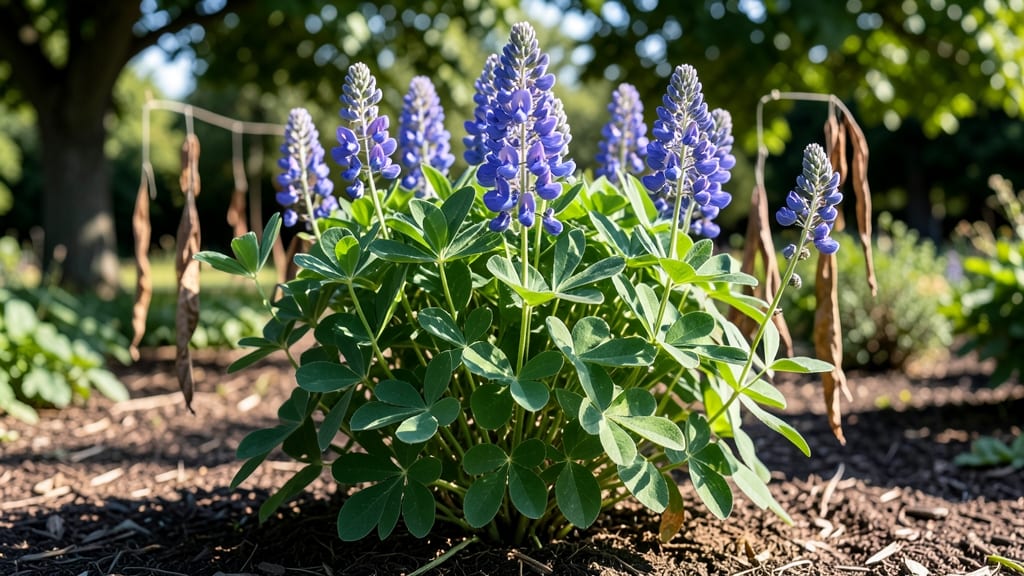
False indigo seed pods hold the key to growing these tough, drought-resistant perennials from scratch—without the nursery price tag. 🌱 I cracked the code after struggling with store-bought seedlings that never thrived in my dry climate, and now I'm sharing how to grow them reliably from seed in just 45 days—even in cooler zones.
The secret lies in the pods themselves: wait until they turn deep brown and split open naturally, then harvest them before the seeds scatter. Once dried, you'll extract plump, dark seeds that need stratification (a cold treatment) to break dormancy—mimicking their native woodland conditions.
The payoff? Plants that handle heat, drought, and poor soil like champions.
You'll end up with self-sufficient false indigo plants that bloom for months, attract pollinators, and spread naturally over time. The process takes patience—60 days from pod to seedling—but the results are worth it for gardeners who want low-maintenance, long-lived perennials that outperform annuals.
This method works whether you're filling a sunny border, restoring prairie habitat, or just adding texture to your landscape. Here's exactly how to do it—step by step—without losing seeds or waiting years for growth.
📚 In This Guide
- What you need
- Instructions
- Tips and common mistakes
- Wrapping up and next steps
What you need
- ● False indigo seeds: 1–2 grams (about 200–400 seeds) – organic, untreated seeds work best.
- ● Seed-starting trays or pots: 2–4 (3–4 inches deep) with drainage holes.
- ● Seed-starting mix: 1–2 bags (sterilized, well-draining potting soil blend).
- ● Grow lights or sunny windowsill: 6–8 hours of light daily (south-facing window or LED grow lights).
- ● Spray bottle (for watering): 1 (with a fine mist nozzle).
- ● Plastic wrap or humidity dome: 1 (to retain moisture during germination).
- ○ Thermometer (optional but helpful): 1 (to monitor soil temps between 60–70°F).
- ● Heat mat: 1 (if your home runs cooler than 60°F).
- ● Fertilizer (balanced, water-soluble): 1 small bottle (for post-germination growth).
- ● Transplanting tools: Small trowel or spoon (for moving seedlings).
- ● Hardening-off tray: 1 (if extending outdoor planting season).
How to germinate false indigo seed pods in cold climates
Here's the method I've perfected for coaxing these hardy perennials to sprout reliably, even when the ground is still chilly.
🌱 Step 1: Stratify Seeds for 45 Days in Refrigerated Moisture
False indigo seeds need a cold stratification period to break dormancy. Place them in a sealed plastic bag with a damp paper towel—just enough moisture so they feel slightly damp but not soggy. I like to add a few drops of water and fold the towel to distribute it evenly before sealing.
Store the bag in your refrigerator's crisper drawer where temperatures hover around 35-40°F. Check weekly to ensure the towel stays moist; if it dries out, spritz with water and reseal. After 45 days, the seeds will be ready for planting—you'll notice they've softened slightly and may even show a tiny root sprout.
💧 Step 2: Prepare Cold-Soil Beds or Containers
False indigo thrives in well-draining soil, so work in compost or aged manure to improve fertility before planting. If your ground is still frozen, use 6-inch deep containers filled with a mix of garden soil and perlite. The key is keeping the soil cool but workable—aim for 50-55°F soil temperature.
Plant seeds ½ inch deep, spacing them 12 inches apart to allow for mature growth. I use a small dibble or pencil to make precise holes—this prevents overcrowding and makes future thinning easier. Water gently but thoroughly after planting to settle the soil around the seeds.
☀️ Step 3: Provide Sheltered Sunlight and Consistent Moisture
False indigo seedlings need full sun to partial shade—they'll tolerate light shade better than full heat until established. If planting outdoors, choose a spot with morning sun and afternoon shade. For containers, place them where they'll get 4-6 hours of direct sunlight daily.
Keep the soil consistently moist but never waterlogged. You'll know moisture is right when the top inch of soil feels damp to the touch but doesn't feel saturated. Mulch with 1-2 inches of straw or shredded leaves to retain moisture and regulate soil temperature. Germination typically occurs within 14-21 days after planting.
✂️ Step 4: Thin Seedlings and Support Early Growth
Once seedlings reach 2 inches tall, thin them to 12 inches apart to prevent competition. Use sharp scissors to snip unwanted seedlings at soil level—this minimizes disturbance to roots. I always keep the strongest, most vigorous seedling in each spot; look for deep green leaves and sturdy stems.
False indigo benefits from a light trellis or cage early on, even if the plants seem small. The vines will climb naturally, and providing support prevents them from flopping over. Water at the base rather than overhead to avoid fungal diseases—you'll see healthier growth when leaves stay dry.
⏰ Step 5: Monitor for First True Leaves and Harden Off
The moment you see first true leaves (not the initial seed leaves), it's time to start hardening off. If you've been growing in containers, move them outside during the day and bring them back in at night for 7-10 days. Gradually increase their outdoor time until they can stay out overnight.
False indigo is cold-hardy, but young plants still need protection. Watch for new leaf growth as a sign they're adapting well. Once they've established a strong root system—usually after 6-8 weeks of growth
Tips & tricks for perfect false indigo germination
Cold-resistant germination takes patience, but these tricks will help you avoid common pitfalls and maximize success with false indigo.
Stratification Precision: The 45-day cold stratification is non-negotiable for breaking dormancy, but the devil's in the details. Use a thermometer in your fridge to confirm temperatures stay between 35-40°F—some fridges have hot spots. I've seen seeds fail when stored in warmer areas (like the door shelf). Also, fold the damp paper towel into a narrow rectangle to maximize surface area contact with seeds, ensuring even moisture distribution.
Soil Temperature Hack: When preparing your planting medium, use a soil thermometer to verify 50-55°F soil temperature—this is critical for successful germination. If your ground is still too cold, pre-warm your containers by placing them in a sunny window for a few hours before planting. The false indigo seeds won't tolerate soil temperatures below 50°F, so don't rush the process if your outdoor soil is still chilly.
Lighting Strategy: For container-grown seedlings, position them near a south-facing window or under grow lights providing 4-6 hours of direct light daily. I've found that rotating containers quarter-turn daily prevents leggy growth by ensuring even light exposure. If using natural light, supplement with a full-spectrum LED bulb during cloudy days—false indigo seedlings need consistent light to develop strong stems.
Thinning Technique: When thinning seedlings to 12 inches apart, time this process for early morning when plants are fully hydrated. Use sharp, clean scissors to avoid tearing roots, and make clean cuts at soil level. I always keep the most vigorous seedling by looking for the one with the darkest green leaves and most upright growth habit—this gives your plant the best chance to establish quickly.
Pro Tips for False Indigo Seed Pods
- Cold-resistant germination takes patience, but these tricks will help you avoid common pitfalls and maximize success with false indigo.
- Stratification Precision: The 45-day cold stratification is non-negotiable for breaking dormancy, but the devil's in the details.
- Soil Temperature Hack: When preparing your planting medium, use a soil thermometer to verify 50-55°F soil temperature—this is critical for successful germination.
Frequently asked questions
Got questions about growing false indigo seed pods? You’re not alone! Here are some of the most common queries—plus clear, no-fluff answers to help you get started (or troubleshoot) with confidence.
How do false indigo seed pods handle cold weather?
False indigo (Baptisia australis) is cold-hardy and thrives in USDA zones 4–9. While seeds can germinate in cool soil (as low as 50°F), slower sprouting is normal. For faster results, wait until soil temps hit 60–70°F or use a heat mat. Cold stratification (chilling seeds for 30–60 days) can also improve germination rates in chilly climates.
Why are my false indigo seeds taking so long to sprout?
Patience is key! False indigo seeds have hard seed coats that resist moisture—germination can take 45–90 days (or longer) under ideal conditions. To speed things up:
- Soak seeds in warm water for 24 hours before planting.
- Scarify them with sandpaper or a knife to break the coat.
- Plant 1/4-inch deep in well-draining soil and keep it consistently moist (not soggy).
Can I grow false indigo from store-bought seed pods?
Yes! But freshness matters. Store-bought pods (like those from nurseries) may still contain viable seeds, but germination rates drop after 1–2 years. If the pods are dry and brittle, open them carefully—seeds inside should be plump and dark. For best results, purchase seeds labeled “fresh” or harvest from mature plants in late summer/fall.
What should I do if my false indigo seedlings look leggy or weak?
Leggy seedlings usually mean too little light or overcrowding. Fix it by:
- Thinning seedlings to 12–18 inches apart (they’ll need space to grow!).
- Moving them to a sunny spot (6+ hours of direct light daily).
- Avoid fertilizing until seedlings have 2–3 true leaves—too much nitrogen causes weak stems.
Are there faster-growing alternatives to false indigo?
If you want quick color and drought tolerance but faster results, consider:
- Butterfly bush (Buddleia) – Germinates in 2–4 weeks but attracts pests.
- Black-eyed Susan (Rudbeckia) – Sprouts in 7–14 days and thrives in poor soil.
- Purple coneflower (Echinacea) – 30–60 days to bloom, with similar pollinator benefits.
Wrapping up and next steps
Growing false indigo seed pods is a rewarding journey—especially when you unlock their cold-resistant germination in just 45 days! 🌱 Whether you're restoring native landscapes or adding drought-tolerant beauty to your lawn, these resilient plants offer a low-maintenance, eco-friendly solution.
The key lies in patience, proper soil prep, and a little extra care during those early weeks.
Ready to take the next step? Start by gathering your supplies, then dive into planting—your future garden (and pollinators!) will thank you. Happy growing! 🌿