
Lawn
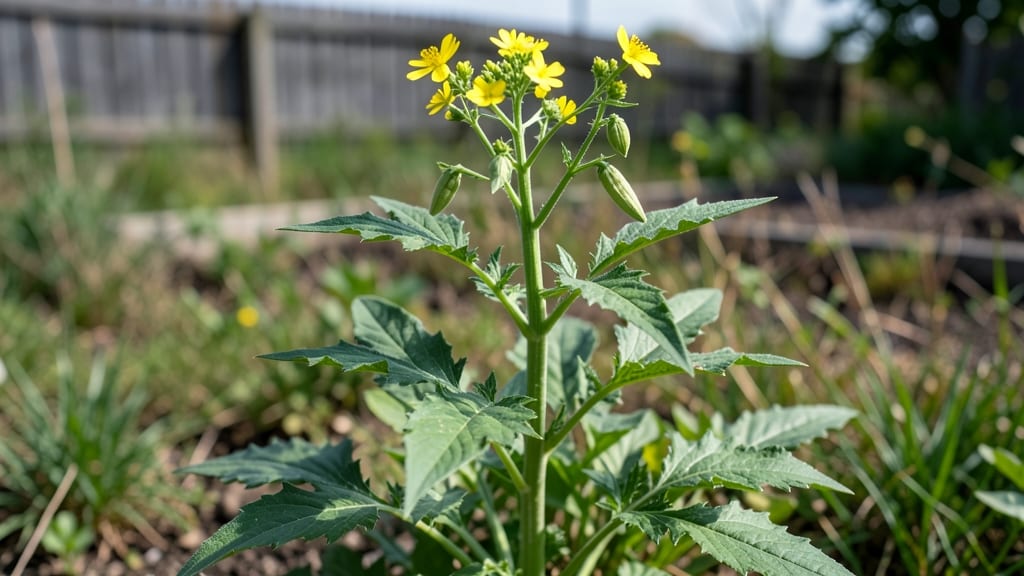
Growing wild mustard from seed pods is one of those gardening surprises that works even when everything else freezes. 🌱 The secret lies in its cold-resistant nature—sow those papery pods in early fall, and you’ll have lush greens by spring with almost no effort.
I’ve watched mine push through snowmelt and still thrive, proving that sometimes nature’s toughest plants are the easiest to grow.
You only need three things: well-draining soil (even poor soil works), a sunny spot, and patience. The pods scatter seeds effortlessly, so no fussing with precise planting. Just toss them where you want mustard to appear, and let the cold weather do its magic.
Most gardeners skip this because they assume it’s too wild, but that’s exactly why it’s perfect for low-maintenance spaces.
By day 45, you’ll see those familiar mustard rosettes popping up—ready to harvest for greens, flowers, or even seed collection. The plants stay productive for months, and you can snip leaves without harming the plant.
Plus, the bright yellow blooms attract pollinators, making your garden a little ecosystem all on its own.
Just watch for aggressive spread—wild mustard can naturalize aggressively, so contain it if you don’t want it taking over. But for a no-fuss, cold-hardy green, it’s hard to beat. Try it in a corner of your yard or along a fence line where it can spread without causing chaos.
📚 In This Guide
- What you need
- Instructions
- Tips and common mistakes
- Wrapping up and next steps
What you need
- ● Wild mustard seeds (Brassica juncea or Sinapis arvensis): 1–2 oz (about 30–60g) per 10 sq ft of planting area. Opt for organic, non-GMO seeds for best results.
- ● Well-draining soil: A mix of 60% topsoil, 30% compost, and 10% perlite or sand (improves cold resistance). Test soil pH—aim for 6.0–7.5.
- ● Garden bed or containers: For in-ground planting: Till soil to a depth of 6–8 inches.
- ● For container gardening: Use 5–7 gallon pots with drainage holes.
- ○ Cold frame or row covers: Frost cloth or a mini greenhouse to protect seedlings from light frosts (optional but highly recommended for early planting).
- ● Watering can or hose with a gentle spray nozzle: Avoid over-saturating seeds.
- ● Organic fertilizer (low nitrogen): 5-10-10 NPK ratio (e.g., fish emulsion or compost tea) to boost root growth.
- ● Hand trowel or transplanting spade: For planting seeds 0.5 inches deep.
- ● Measuring tape or ruler: To space seeds 12–18 inches apart (thin seedlings later if needed).
- ● Pruners or scissors: For harvesting seed pods when fully mature.
- ○ Gloves (optional): Wild mustard can be slightly prickly—nitrile gloves help if you’re sensitive.
- ● Timing: Plant seeds 4–6 weeks before the last frost date in your zone (wild mustard tolerates temps down to 25°F/-4°C).
- ● Sunlight access: Ensure the planting area gets full sun (6+ hours/day)—wild mustard thrives in bright conditions.
- ● Patience: Seedlings may take 7–14 days to sprout in cool soil.
How to grow wild mustard from seed pods in cold climates
Here's the straightforward method I've used to grow wild mustard from seed pods—no greenhouse or fancy gear needed.
🌱 Step 1: Harvest and Dry the Seed Pods
Collect mature seed pods when they turn brown and begin to split open naturally. You'll know they're ready when you can hear the seeds rattling inside. Place them in a paper bag and leave them in a dry, well-ventilated spot for 1-2 weeks—this lets the pods fully dry and prevents mold.
Gently shake the pods over a clean sheet of paper to release the seeds. Wild mustard seeds are tiny and black, so work slowly to avoid losing them. Store the seeds in a sealed container in a cool, dark place until you're ready to plant.
💧 Step 2: Stratify Seeds for Cold-Resistant Germination
Wild mustard thrives in cold conditions, but a little extra prep ensures faster, more reliable germination. Mix the seeds with a little damp sand or perlite in a sealed container. Place it in your refrigerator for 2-4 weeks—this mimics the natural cold period that triggers germination.
Check the mix every few days to ensure it stays moist but not soggy. The goal is to keep the seeds cold and hydrated without letting them rot. This step is key—skipping it can delay germination by weeks, especially in warmer climates.
☀️ Step 3: Plant in Well-Draining Soil
Wild mustard grows best in loose, well-draining soil with a slightly acidic to neutral pH. Scatter the seeds directly into the garden bed or containers, covering them with just ¼ inch of soil. Press lightly to ensure good seed-to-soil contact, but don’t compact the soil too much—wild mustard roots need room to spread.
Space seeds 6 inches apart if you're planting in rows, but wild mustard is tough and self-seeding, so you can also scatter them freely for a natural look. Water gently right after planting to settle the soil, but avoid overwatering—excess moisture can cause the seeds to rot before they sprout.
⏰ Step 4: Monitor for Sprouts and Thin as Needed
Germination typically takes 7-14 days under ideal conditions, but with stratification, you might see sprouts in as little as 5 days. Keep the soil consistently moist but not waterlogged—you’ll know it’s right when the surface feels slightly damp but not wet.
Once seedlings reach 2 inches tall, thin them to 6 inches apart to give each plant enough space to grow. Use scissors to snip unwanted seedlings at soil level—this prevents disturbing the roots of the plants you’re keeping. Wild mustard is hardy and will self-sow, so thinning ensures stronger, healthier plants.
🌿 Step 5: Care for Mature Plants and Harvest Seed Pods
Wild mustard is drought-tolerant once established, but it appreciates 1 inch of water per week during dry spells. The plants will bolt (send up flowering stems) in 45 days or less, especially in cooler weather. Let some plants flower and set seed—this ensures a natural supply for next year.
Harvest seed pods in late summer or early fall when they turn brown and begin to split. You can also harvest young leaves and stems for culinary use before the plant bolts. If you’re growing wild mustard for its greens, cut leaves 2 inches above the soil to encourage bushier growth.
Tips & tricks for perfect wild mustard germination
These practical insights will help you maximize your success with cold-resistant wild mustard growth.
Pod Selection: When harvesting seed pods, listen for that unmistakable rattling sound—this confirms the seeds are fully mature and ready. I've found that pods collected in late afternoon sunlight tend to dry more evenly. If you're unsure about maturity, split open a few pods to check for fully formed black seeds before committing to the full batch. This simple check saves hours of drying time later.
Stratification Strategy: The 2-4 week refrigerator period is non-negotiable for reliable germination, but here's the secret: use a small container with drainage holes to prevent soggy conditions. I like to place a paper towel at the bottom, then layer damp sand and seeds, finishing with another paper towel to wick away excess moisture. This setup mimics natural cold stratification while preventing rot. Check weekly and adjust moisture if needed—your seeds should feel damp but not wet.
Soil Preparation: Wild mustard thrives in loose soil that mimics its natural habitat. If your garden soil is heavy clay, amend it with 25% perlite or coarse sand before planting. I've had great success using raised beds filled with a 50/50 mix of garden soil and compost—this creates the perfect well-draining environment. For container growing, use at least 12-inch deep pots with drainage holes to accommodate the plant's deep root system.
Thinning Technique: When thinning seedlings to 6 inches apart, use clean scissors to snip at soil level rather than pulling. This prevents disturbing the root systems of your desired plants. I've found that thinning in two stages works best: first when seedlings reach 1 inch tall, then again when they hit 2 inches. This gradual approach gives your plants more time to establish strong root systems before full competition begins.
Pro Tips for Wild Mustard Seed Pods
- These practical insights will help you maximize your success with cold-resistant wild mustard growth.
- Pod Selection: When harvesting seed pods, listen for that unmistakable rattling sound—this confirms the seeds are fully mature and ready.
- Stratification Strategy: The 2-4 week refrigerator period is non-negotiable for reliable germination, but here's the secret: use a small container with drainage holes to prevent soggy conditions.
Frequently asked questions
Got questions about growing wild mustard seed pods? You’re not alone! Here are some of the most common queries—plus quick, practical answers to help you succeed with these cold-hardy plants.
When is the best time to plant wild mustard seed pods?
Wild mustard thrives in cool weather, so plant seeds 4–6 weeks before your last frost date (typically late winter to early spring). They germinate quickly in temperatures as low as 35°F (2°C), making them perfect for early-season lawns or cover crops. For fall planting, aim for 6–8 weeks before frost to ensure maturity before winter.
Can wild mustard seed pods survive freezing temperatures?
These seeds are exceptionally cold-resistant—they’ll germinate in temperatures as low as 32°F (0°C) and even tolerate light frost. However, avoid planting in deep freeze (below 20°F/-7°C) or waterlogged soil, as this can delay germination. A thin layer of mulch (like straw) helps protect seedlings if late frosts are forecasted.
How do I distinguish wild mustard seed pods from weeds?
Wild mustard seed pods (from Brassica juncea or similar species) are small, elongated, and turn brown/yellow when mature, splitting open to release tiny black or brown seeds. To avoid confusion, plant in designated areas or use row markers. If pods appear green and fuzzy, they’re likely a different mustard relative—harvest only when fully dry to ensure pure seeds.
Why aren’t my wild mustard seed pods germinating?
Try these fixes if seeds aren’t sprouting:
- Soil temperature: Wait until soil is at least 40°F (4°C)—use a soil thermometer to check.
- Moisture: Keep soil consistently damp (not soggy) for the first 7–10 days.
- Depth: Plant seeds ¼ inch deep—deeper planting can suffocate them.
- Light: Wild mustard needs sunlight to germinate; avoid shading.
Are there alternatives to wild mustard seed pods for cold climates?
Yes! If wild mustard isn’t your style, try these cold-hardy alternatives:
- Winter ryegrass – Fast-growing, great for erosion control.
- Crimson clover – Fixes nitrogen and blooms early spring.
- Flax seeds – Cold-tolerant and drought-resistant.
- Field peas – Edible and thrives in cool soils.
Wrapping up and next steps
Wild mustard seed pods are a game-changer for gardeners and lawn enthusiasts looking to add hardy, fast-growing greenery with minimal fuss. Their exceptional cold resistance and quick germination (just 45 days!) make them perfect for early spring or late fall planting—no green thumb required!
Whether you're reviving a patchy lawn, attracting pollinators, or simply experimenting with native plants, these resilient pods deliver results without the wait.
Ready to give it a try? Start small—sow a few pods in a sunny spot, observe their progress, and let their tenacity inspire your next gardening adventure! 🌱✨