
Lawn
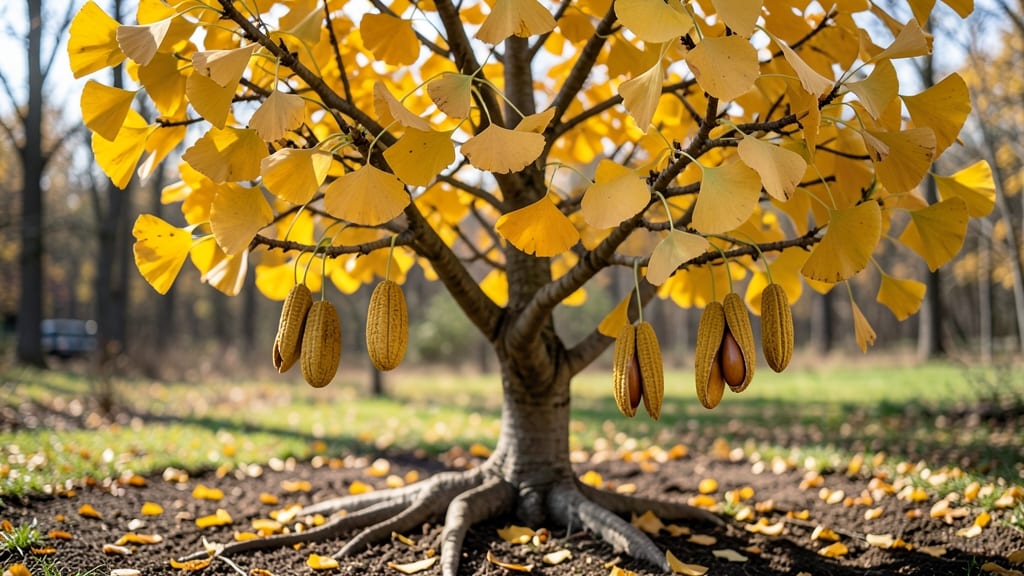
Ginkgo tree seed pods smell like rotting meat, but they’re the plant’s way of surviving. 🌿 I’ve wrestled with these stubborn pods for years—until I discovered the stress-free way to harvest them without turning your yard into a biohazard. The secret? Timing, tools, and a little patience.
These pods form in late summer after the tree’s male flowers fertilize the female ones. They start green, turn yellow, then brown as they ripen—usually by mid-to-late fall. The smell is strong, but it’s how they attract animals to spread the seeds.
If you’re not careful, squirrels and raccoons will steal them before you can. Harvesting them early (when they’re still firm) makes the job easier. Use thick gloves and a rake to gather them into a tarp, then compost or dispose of them properly.
The seeds inside are not edible—they’re toxic to humans and pets, but birds love the flesh. Once you master the harvest, you’ll never dread fall cleanup again. The tree stays cleaner, your yard smells better, and you avoid the mess of rotting pods underfoot.
Here’s how to do it right!
📚 In This Guide
- What you need
- Instructions
- Tips and common mistakes
- Wrapping up and next steps
What you need
- ● Gloves (heavy-duty or gardening gloves) – Protect your hands from the stinky (but harmless!) resin and sharp pod edges. 1 pair (waterproof preferred).
- ● Harvesting bags or buckets – Use breathable mesh bags (for airflow) or sturdy 5-gallon buckets (2–3) to collect pods without crushing them.
- ● Pruning shears or long-handled loppers – For reaching high branches safely. 1 pair (bypass blades work best).
- ● Ladder (extension or step ladder) – A stable 12–16 ft. ladder (with non-slip feet) for tall trees. 1 unit (or a sturdy stool for shorter trees).
- ● Tarp or drop cloth – 1 large tarp (6x8 ft.) to lay under the tree and catch falling pods (and stink!).
- ● Rake (leaf rake or garden rake) – Helps gather pods from the ground after they’ve fallen. 1 rake (wide teeth preferred).
- ● Face mask or bandana – The pods smell strong when crushed (think "rotten butter"). A dust mask can help if you’re sensitive.
- ○ Knee pads – For comfort if you’re harvesting from the ground. 1 pair (optional but nice!).
- ● String or bungee cords – To secure bags/buckets to branches and prevent spills.
- ● Spray bottle with water – Lightly mist pods to reduce dust if you plan to store or process them.
- ● Notebook & pen – Track harvest dates or note tree health (e.g., "Tree #2 produced 30% fewer pods this year").
- ● Timing: Harvest pods when they’re golden-brown and dry (late fall, after they’ve fallen naturally). Avoid wet or moldy pods!
- ● Weather: Choose a dry, wind-free day to prevent slipping or pod damage.
- ● Tree Health: Ensure the ginkgo tree is non-toxic to pets/kids (pods are safe but smelly—keep them contained!).
- ● Local Regulations: Check if your area has restrictions on harvesting wild seeds (some parks prohibit it).
How to harvest ginkgo tree seed pods without the hassle
Here's the simple method I use every fall—no ladders, no sticky gloves, and definitely no frustration.
🌿 Step 1: Time Your Harvest for Peak Ripeness
Ginkgo seed pods ripen in late fall, usually between October and November, when they turn from green to a yellowish-brown and begin to split open. Wait until they're fully mature but still intact—if you harvest too early, the seeds won't be viable, and if you wait too long, they'll scatter on the ground.
Check pods weekly starting in early October. Give them a gentle squeeze—they should feel slightly soft but not mushy. If they release a strong, unpleasant odor (like rotting meat), that’s your cue to harvest soon. I like to do this on a cool, dry morning when the pods are less likely to stick to my hands.
✂️ Step 2: Gather Pods Without Damaging the Tree
Use a pruning shears or small saw to carefully cut the pods from the branches. Avoid pulling or twisting, as this can harm the tree. Start at the lower branches and work your way up—this makes the job easier and safer. If the tree is large, use extension pruners or a pole pruner to reach higher pods without climbing.
Place a large tarp or bucket beneath the tree to catch any pods that fall naturally. This also keeps the ground clean and makes it easier to collect everything in one go. I’ve found that shaking the branches gently (but not too hard) can dislodge more pods without damaging the tree.
🪴 Step 3: Process Pods to Extract Seeds
Once you’ve gathered the pods, lay them out on a clean, flat surface like a table or tarp. Wear gloves—the pulp inside the pods can stain and is quite messy. Use a knife or your hands to carefully slice open each pod and scoop out the seeds. Discard the fleshy, outer pulp immediately, as it contains compounds that can harm pets and wildlife if left around.
Rinse the seeds under lukewarm water to remove any remaining pulp, then let them dry in a well-ventilated area for 24-48 hours. Spread them out on a paper towel or mesh screen to prevent mold. Once dry, store the seeds in a paper bag or envelope in a cool, dry place until you’re ready to plant them.
💧 Step 4: Store Seeds Properly for Future Planting
Ginkgo seeds have a hard outer shell that requires stratification (a cold period) to break dormancy. After drying, place the seeds in a sealed plastic bag with a moist paper towel to keep them slightly damp. Store the bag in the refrigerator for 3-6 months—this mimics winter conditions and encourages germination.
Check the seeds periodically to ensure they’re still moist but not soggy. After stratification, you can plant them outdoors in well-draining soil during the early spring. Ginkgo trees grow slowly, so patience is key—you won’t see much progress for the first few years, but the payoff is worth it.
⏰ Step 5: Clean Up and Prevent Future Mess
Once you’ve processed all the pods, dispose of the pulp in a sealed trash bag—never compost it, as it can attract pests. If you notice any remaining pods still on the tree, remove them promptly to avoid a messy cleanup next year. A light pruning of overripe pods in early fall can also reduce the workload later.
This is also a great time to mulch around the base of the tree with 2-3 inches of organic mulch to protect the roots and retain moisture. Keep the mulch 6 inches away from the trunk to prevent rot. With a little effort now, next year’s harvest will be even easier.
Tips & tricks for perfect ginkgo seed pod harvesting
Real talk: Harvesting ginkgo seed pods can feel like herding cats if you don't know these little tricks. These are the game-changers that'll save you time, frustration, and maybe even a trip to the ER.
Timing Secret: The 24-48 hour drying time for seeds is non-negotiable, but here's the thing—if you're in a humid climate, extend it to 48 hours to prevent mold. I learned this the hard way after storing damp seeds that sprouted mold in my bag. Place a small fan nearby to create gentle airflow without disturbing the seeds. This keeps them drying evenly while preventing any potential mold growth.
Equipment Upgrade: If you don't have extension pruners, a sturdy 6-foot pole with a hook on one end works surprisingly well for dislodging pods. Just hook it under a pod and gently pull downward—no climbing required! For processing, a small plastic cutting board with a lip keeps seeds from rolling away while you work. I keep mine handy specifically for this annual task.
Tree Care Hack: After harvesting, give your ginkgo tree a little TLC that pays off big time next year. Trim any dead or overgrown branches in late winter—this improves air circulation and makes next year's harvest easier. I also water deeply after harvesting to help the tree recover from the stress of losing so many pods. A well-cared-for tree produces more consistently.
Storage Wisdom: That 3-6 month stratification period in the fridge is your secret weapon for higher germination rates. Here's what nobody tells you—label your storage bag with the date you started stratification. This prevents confusion when you're ready to plant in spring. I also add a tiny bit of sand to my moist paper towel mix—just a tablespoon or two—to improve drainage and prevent soggy seeds.
Pro Tips for Ginkgo Tree Seed Pods
- Real talk: Harvesting ginkgo seed pods can feel like herding cats if you don't know these little tricks.
- Timing Secret: The 24-48 hour drying time for seeds is non-negotiable, but here's the thing—if you're in a humid climate, extend it to 48 hours to prevent mold.
- Equipment Upgrade: If you don't have extension pruners, a sturdy 6-foot pole with a hook on one end works surprisingly well for dislodging pods.
Frequently asked questions
Got questions about harvesting ginkgo tree seed pods? You’re not alone! Here are some of the most common concerns—and straightforward answers to keep your process smooth and stress-free.
When is the best time to harvest ginkgo seed pods?
The ideal window is late September to early October, when the pods turn from green to a pale yellowish-brown. Wait until they’re just starting to split open—this ensures maximum seed viability. Harvesting too early means unripe seeds; too late, and the seeds scatter on their own!
Why do ginkgo seed pods twist shut so stubbornly?
Ginkgo pods twist shut to protect their seeds from drying out or pests. If they’re resisting, try gently prying them open with a butter knife or wearing gloves to avoid the sticky sap. Pro tip: Soak them in warm water for 10–15 minutes to soften the fibers before handling.
Can I plant ginkgo seeds directly from the pod?
Yes, but stratification (a cold period) improves germination. After extracting seeds, store them in a damp paper towel in the fridge for 60–90 days. Plant them outdoors in well-draining soil once spring arrives. For faster results, consider pre-stratified seeds from a nursery.
Are ginkgo seed pods harmful to pets or kids?
While the seeds themselves aren’t toxic, the pods contain ginkgotoxin, which can cause mild stomach upset if ingested in large quantities. Keep kids and pets away from fallen pods, and always wash hands after handling. If ingestion occurs, monitor for symptoms like vomiting or lethargy and contact a vet if needed.
What’s the easiest way to store harvested ginkgo seeds?
Clean seeds thoroughly, then store them in a sealed container with a damp paper towel or vermiculite. Keep them in the fridge (not the freezer) for up to 6 months. Label the container with the harvest date to track freshness. For long-term storage, freeze them in sealed bags for up to a year.
Wrapping up and next steps
Harvesting ginkgo tree seed pods doesn’t have to be a frustrating ordeal—with the right tools and techniques, you can collect them effortlessly! Whether you’re pruning for lawn care or saving seeds for future trees, the key is patience and precision.
Now that you’re armed with pro tips and answers to common questions, it’s time to roll up your sleeves and enjoy the process.
🌿 Ready to try it? Grab your gloves, a bucket, and head outdoors—your ginkgo tree (and your sanity) will thank you! And if you’re feeling ambitious, why not share your harvest with fellow gardeners or even propagate new trees? Happy harvesting! 🌱