Lawn
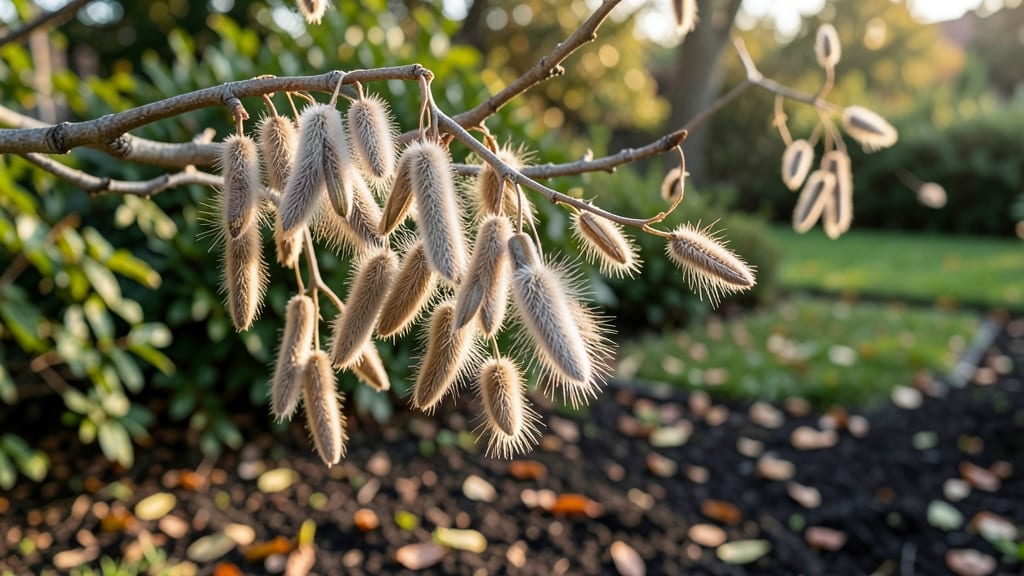
Poplar tree seed pods are nature's fluffy mess turned into a gardening opportunity. 🌿 I used to dread those cottony clouds drifting across my yard, but now I harvest them for free, fast-growing trees that thrive in almost any soil.
The secret lies in timing, storage, and knowing which pods will actually sprout.
Start by collecting pods when they're still green but beginning to open—usually late summer or early fall. A simple mesh bag or even a cardboard box works perfectly for gathering them without losing the seeds.
Once collected, dry the pods in a well-ventilated area for about a week before storing them in a sealed container.
Germination is surprisingly easy: just scatter the seeds in prepared soil and water lightly. Within 10-14 days, you'll see tiny shoots pushing through, and by spring, you'll have saplings ready for transplanting.
The best part? These trees grow 3-5 feet per year, providing shade and wildlife habitat in no time.
Works in almost any climate, though wetter regions may need slightly more care to prevent fungal issues. Perfect for reforestation projects, privacy screens, or simply adding fast-growing trees to your property. Here's how to make it work without the usual headaches!
📚 In This Guide
- What you need
- Instructions
- Tips and common mistakes
- Wrapping up and next steps
What you need
- ● Poplar tree seed pods: Collect fresh pods (greenish-brown, fluffy inside) from mature poplar trees (preferably Populus species like cottonwood or aspen). Aim for 1–2 cups (dry volume) for a small germination test or 5+ cups for larger projects.
- ● Pruning shears or sharp scissors: One pair to snip pods from branches without damaging the tree.
- ● Large paper bags or breathable fabric sacks: 2–3 bags (14"x18" or larger) to collect pods without crushing them.
- ● Paper towels or newspaper: A single sheet for drying/separating seeds indoors.
- ● Small plastic bags or airtight containers: 2–4 resealable bags (quart-sized) for long-term storage.
- ● Permanent marker: One to label bags with the date collected and tree species.
- ○ Gloves (optional but recommended): A pair to protect hands from itchy seed fluff.
- ● Ladder or extendable pole: For harvesting pods from high branches (6+ feet up).
- ● Fine-mesh sieve or colander: To sift out debris and separate seeds from chaff.
- ● Desiccant packets: 1–2 packets (like silica gel) to keep stored seeds extra dry.
- ● Notebook or app: To log pod maturity (e.g., color changes, fluffiness) for future reference.
- ● Seedling trays or pots: Small containers (2–3) if you plan to immediately sow a few seeds for testing.
How to harvest poplar tree seed pods for reliable germination
Here’s my go-to method for collecting poplar seed pods—timing and technique matter most.
🌿 Step 1: Identify and Harvest Mature Seed Pods
Poplar seed pods (also called "cottonwood fluff") ripen in late summer to early fall when they turn from green to light brown. Look for pods that open slightly but still cling to the tree—these contain the most viable seeds. Use pruning shears or a small saw to cut clusters of pods from branches, being careful not to damage the tree.
Harvest on a dry day to prevent mold. Collect pods in a paper bag or breathable fabric sack—plastic traps moisture and reduces seed viability. I like to shake branches gently over the bag to catch loose pods without climbing.
🪴 Step 2: Dry and Store Pods for Germination
Spread the harvested pods in a single layer on a screen or clean towel indoors. Keep them in a warm, dry place with good airflow for 7-10 days—this mimics natural drying conditions. Stir them occasionally to ensure even drying. Overdrying kills seeds, while underdrying invites mold.
Once the pods feel light and brittle (they’ll crumble slightly when pressed), store them in a sealed container with a desiccant packet. Label with the harvest date—viable seeds remain dormant for up to 2 years if stored properly in a cool, dark place.
☀️ Step 3: Prepare Seeds for Planting
Poplar seeds need cold stratification to break dormancy. Fill a plastic bag with damp paper towels, add the dried pods, and seal it tightly. Place the bag in your refrigerator for 4-6 weeks. Check weekly—seeds are ready when the towels feel slightly damp but not soggy.
After stratification, remove the seeds from the pods by gently rubbing them between your fingers. Poplar seeds are tiny, so I use a fine-mesh strainer to catch them during the process. Plant immediately or store in a sealed container in the fridge for up to 6 months.
🌱 Step 4: Sow Seeds for Germination
Fill small pots with sterile seed-starting mix and moisten it until damp but not wet. Sprinkle seeds on the surface—don’t cover them, as they need light to germinate. Press lightly to ensure contact with the soil. Place the pots in a warm spot (65-75°F) with indirect light.
Keep the soil consistently moist (not soggy) and expect germination in 2-4 weeks. Poplar seedlings are delicate—use a fine mist spray bottle to water and avoid disturbing them until they develop true leaves. Thin to the strongest seedling per pot if multiple sprout.
⏰ Step 5: Transplant Seedlings Outdoors
Wait until seedlings have 3-4 true leaves and are at least 3 inches tall before transplanting. Choose a site with full sun and well-draining soil—poplars thrive in moist but not waterlogged conditions. Dig holes slightly larger than the root ball and space seedlings 10-15 feet apart for mature growth.
Water deeply after planting to settle the soil, then mulch around the base to retain moisture. Poplars grow fast, so monitor for pests like aphids or borers. If you’re growing for shade or erosion control, expect 10-15 feet of height gain per year under ideal conditions.
Tips & tricks for perfect poplar tree seed pod harvesting
Timing and technique are everything when it comes to harvesting viable poplar seed pods—here’s how to avoid common pitfalls and maximize success.
Timing is Everything: Harvest pods when they’ve turned light brown but haven’t fully released their fluff yet—this is your window for the most viable seeds. I’ve learned this the hard way: waiting too long means seeds have already dispersed, while harvesting too early results in underdeveloped pods. Aim for late summer to early fall when pods are just beginning to open naturally. If you miss this window, you can still harvest fully opened pods, but viability drops significantly.
Harvesting Technique: When collecting pods, avoid using plastic bags—they trap moisture and can lead to mold. Instead, opt for breathable fabric sacks or even old pillowcases. I’ve found that gently shaking branches over the bag catches more pods without damaging the tree. For higher branches, use a long pole with a bag attached to avoid climbing risks. Remember, the goal is to collect pods while preserving their integrity for the drying process.
Drying Secrets: The 7-10 day drying period is critical—spread pods in a single layer on a screen or clean towel in a warm, dry place with good airflow. Stir them occasionally to prevent uneven drying. I’ve noticed that using a fan on low can speed up the process slightly, but avoid direct airflow that might scatter the tiny seeds. Once pods feel light and brittle, they’re ready for storage. Overdrying kills seeds, while underdrying invites mold, so pay close attention to their texture.
Cold Stratification: The 4-6 week cold stratification period mimics winter conditions and breaks seed dormancy. Use damp paper towels—not soaking wet, just slightly moist—to create the ideal environment. I’ve found that placing the bag in the crisper drawer of your fridge provides consistent cold temperatures. Check weekly to ensure the towels remain damp but not soggy. This step is non-negotiable for reliable germination—skipping it often results in poor or no sprouting.
Pro Tips for Poplar Tree Seed Pods
- Timing and technique are everything when it comes to harvesting viable poplar seed pods—here’s how to avoid common pi...
- Timing is Everything: Harvest pods when they’ve turned light brown but haven’t fully released their fluff yet—this is...
- Harvesting Technique: When collecting pods, avoid using plastic bags—they trap moisture and can lead to mold. Instead...
Frequently asked questions
about poplar tree seed pods—because even the easiest harvests have a few curveballs! Here’s what you need to know before diving in.When is the best time to harvest poplar seed pods?
Harvest poplar seed pods in late summer to early fall (August–October) when they’re brown, dry, and fluffy but haven’t yet released their seeds. Wait too long, and the wind will scatter them—or worse, they’ll sprout in your lawn!
How long do poplar seed pods stay viable for germination?
Poplar seeds remain viable for 1–2 years if stored in a cool, dry place (like a sealed container with silica gel). After that, germination rates drop sharply. For best results, use them within 6 months!
Can I plant poplar seed pods anywhere, or do they need special conditions?
Poplar trees thrive in full sun to partial shade and tolerate most soil types, but they love moist, well-drained areas. Avoid planting near sidewalks or foundations—their roots can get invasive! For container growing, use a large pot with drainage.
What if my seed pods won’t open or release seeds?
If pods stay closed, try these tricks:
- Dry them further: Spread pods on a tray in a warm, dry spot for 1–2 weeks.
- Gently crush: Place pods in a paper bag and shake vigorously to release seeds.
- Soak in water: Some varieties need moisture to soften—try a 24-hour soak.
Are poplar seed pods safe for wildlife, or should I avoid them?
Poplar seed pods are non-toxic and loved by birds (like goldfinches) and small mammals. They’re a great natural snack! However, if you’re allergic to poplar pollen, wear gloves when handling large quantities. Bonus: The fluff is biodegradable—no mess cleanup!
Wrapping up and next steps
Harvesting poplar tree seed pods is a rewarding way to ensure year-round germination—whether you're reviving your lawn or expanding your garden! 🌱 With the right timing, tools, and patience, you can easily collect and store these pods for future planting. The key takeaway? Simplicity and consistency are your best allies.
Ready to put your newfound knowledge into action? Start small—grab a bag, head outdoors, and begin your harvest this season. Every seed pod you collect is a step toward greener, healthier landscapes! 🌿