
Propagation
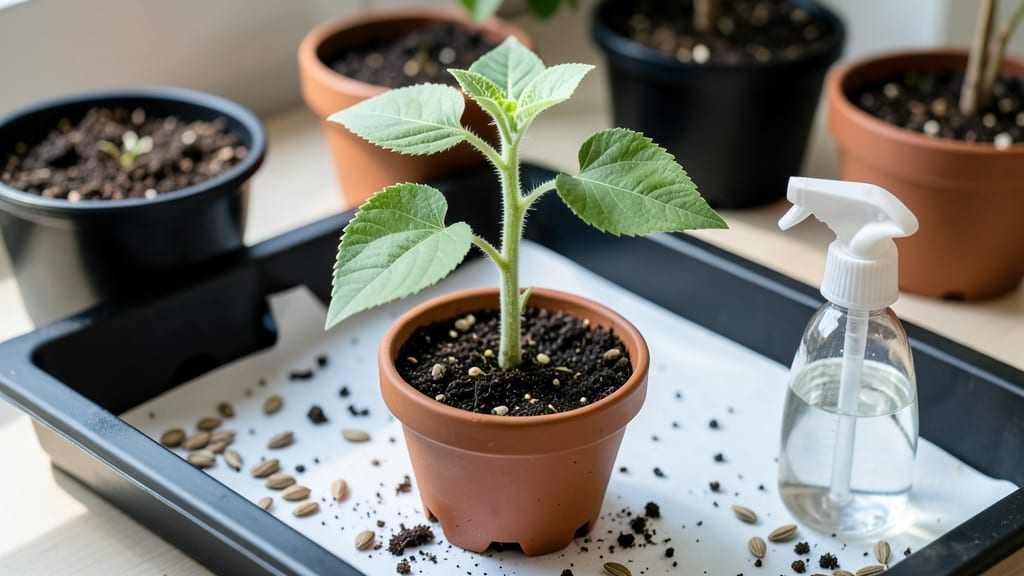
Growing sunflowers from seed in pots lets you enjoy those face-turning blooms without needing a yard—just a sunny spot and the right container. 🌻 I've grown sunflowers in pots for years, and the secret to success starts with the right soil mix and pot depth.
Most people underestimate how much room those roots need, but with the right setup, you'll get plants that reach 6-8 feet tall even in containers.
You'll need pots at least 12 inches deep (18 inches is better for giant varieties), well-draining potting mix, and seeds planted about 1 inch deep. The trick is keeping the soil consistently moist but not soggy—sunflowers hate wet feet.
Place your pots where they'll get 6+ hours of direct sunlight daily, and watch those seedlings emerge in about a week. Thinning to the strongest plant per pot prevents overcrowding and weak stems.
By midsummer, you'll be admiring those massive blooms towering over your patio or balcony, with the added bonus of being able to harvest seeds for next year. The stems stay sturdy enough to support the weight, and the flowers attract pollinators all season long.
Plus, the dried blooms make gorgeous arrangements that last for weeks.
After the season, don't toss those pots—clean them out, add fresh soil, and they're ready for next year's sunflowers or other tall plants like cosmos. The same containers work for succession planting too, giving you multiple harvests in one season. Here's how to make it work from start to finish!
📚 In This Guide
- What you need
- Instructions
- Tips and common mistakes
- Wrapping up and next steps
What you need
- ● Sunflower seeds: Choose a dwarf or medium-height variety (3–5 ft tall) suited for containers, such as 'Moulin Rouge' or 'Teddy Bear.' Plant 1–3 seeds per pot (they germinate quickly, so extra seeds are handy!).
- ● Containers: At least 12–18 inches deep and 12–18 inches wide (bigger pots support taller varieties).
- ● Drainage holes are a must—no exceptions!
- ● Materials: Plastic, fabric grow bags, or ceramic work well.
- ● Potting soil: Use a high-quality, well-draining mix for vegetables or flowers (avoid garden soil—it compacts and retains too much moisture). Aim for 2–3 gallons per pot.
- ○ Seed-starting mix (optional but helpful): For faster germination, mix 1 part potting soil with 1 part perlite or vermiculite to improve aeration.
- ● Watering can or spray bottle: A gentle spray helps avoid disturbing seeds during germination.
- ● Fertilizer: Start with a balanced, water-soluble fertilizer (e.g., 10-10-10) at half-strength when seedlings sprout.
- ● Switch to a low-nitrogen, high-phosphorus fertilizer (e.g., 5-10-10) once plants are established to encourage blooming.
- ● Stakes or tomato cages: Tall varieties (4+ ft) need support. Use 1–2 stakes per plant, inserted 6 inches deep into the soil.
- ● Twine or plant ties: For securing stems to stakes as they grow.
- ● Grow lights: If starting indoors before last frost, provide 12–16 hours of light daily (LED or fluorescent bulbs work well).
- ● Mulch: A layer of straw or shredded leaves helps retain moisture and regulate soil temperature.
- ● Epsom salt: Mix 1 tablespoon per gallon of water monthly for magnesium boosts (especially in clay-heavy soils).
- ● Compost or worm castings: Amend soil with 1 cup per pot at planting for nutrient-rich growth.
- ● Sunflower-specific fertilizer: Products like Dr. Earth or Fox Farm are formulated for heavy feeders like sunflowers.
Step-by-Step instructions for growing sunflowers from seed in pots
Here’s how to grow tall, thriving sunflowers in containers—no yard needed!
🌱 Step 1: Choose the Right Containers and Soil
Sunflowers need deep pots—at least 12 inches deep and 12 inches wide per plant. I use 5-gallon fabric grow bags because they’re sturdy, drain well, and roots can spread without circling. Fill each pot with a mix of 50% potting soil and 50% perlite or coarse sand for drainage. Avoid garden soil—it compacts and suffocates roots.
Tap the pot gently to settle the soil, then water it until moisture runs freely from the drainage holes. This preps the mix so it won’t dry out too fast once seeds sprout. Sunflowers are heavy drinkers, so good drainage is non-negotiable.
🌱 Step 2: Plant Seeds at the Correct Depth
Drop 2-3 seeds per pot, about 1 inch deep—that’s roughly the width of your pinky finger. Planting too deep slows germination, while shallow planting risks drying out the seeds. Space seeds 2 inches apart if you’re using a larger container for multiple plants.
Cover lightly with soil, then mist gently with water until the surface is damp but not soggy. Place the pot in a warm spot (70-75°F) with indirect light. Germination takes 7-14 days, depending on your climate. Don’t overwater now—keep the soil barely moist until sprouts appear.
☀️ Step 3: Provide Full Sun and Support Early
The moment seedlings emerge, move pots to a south-facing window or under grow lights for 12+ hours of light daily. Sunflowers stretch toward light like magnets—if they lean, rotate the pot daily so they grow straight. You’ll see first true leaves (the second set after the initial seed leaves) in about 10-14 days.
Once seedlings are 4-6 inches tall, insert a sturdy bamboo stake or tomato cage into the soil beside each plant. Sunflowers grow fast, and without support, they’ll flop over. Tie stems loosely to the stake with soft twine as they grow—tight ties cut into stems.
💧 Step 4: Water Deeply and Fertilize Regularly
Water when the top 2 inches of soil feel dry—sunflowers hate soggy roots but need consistent moisture. I use a watering can with a long spout to soak the soil deeply without disturbing the roots. Fertilize every 2 weeks with a balanced 10-10-10 or 5-5-5 liquid fertilizer, diluted to half strength. Over-fertilizing leads to leafy growth but fewer blooms.
Watch for yellowing leaves—this usually means overwatering or poor drainage. If you see this, let the soil dry out more between waterings. Sunflowers are tough but need a balance: too little water stunts growth, too much drowns roots.
⏰ Step 5: Prune for Stronger Stems and Blooms
When plants reach 3 feet tall, pinch off the top set of leaves just above a pair of strong side shoots. This encourages bushier growth and more blooms. Remove any dead or yellowing leaves regularly to keep airflow circulating—this prevents fungal diseases like powdery mildew.
Sunflowers bloom fastest in warm weather (65-85°F). If nights dip below 50°F, cover pots with frost cloth to protect tender stems. Once buds form, reduce watering slightly—too much moisture now can cause buds to split or rot.
Tips & tricks for perfect sunflower growth in pots
Between us, I've watched sunflower seedlings stretch toward the light only to flop over—here's how to avoid that heartbreak.
Container Depth Matters: Those 12-inch deep pots aren't just a suggestion—they're essential. Sunflower roots grow aggressively downward, and shallow containers will strangle growth. If you're working with smaller pots, consider using a fabric grow bag inside the container for extra root room. The 50% perlite mix in Step 1 isn't optional either—it prevents that dreaded "soggy bottom" that kills roots faster than you can say "powdery mildew."
Germination Secret: That 7-14 day germination window can feel like an eternity, but here's what nobody tells you—warmth is everything. Place your pots on a heating mat set to 75°F if your home runs cool. I've seen germination times cut in half with this simple trick. And that warm spot? Keep it consistently 70-75°F—colder temps slow down or even stop germination completely. The soil should feel like a warm bath, not a fridge.
Lighting Hack: Those 12+ hours of light in Step 3 are non-negotiable, but here's the real talk: most windows don't provide enough intensity. Supplement with a simple LED grow light if your sunflowers start stretching like they're auditioning for a ballet. I place mine just 6 inches above the plants for maximum impact. And that daily rotation? It's not just about aesthetics—it prevents lopsided growth that can snap under the weight of those massive blooms.
Pruning Payoff: The 3-foot height mark in Step 5 is your cue to pinch those top leaves, but here's why it works: you're forcing the plant to put energy into side shoots instead of one towering stem. This creates bushier plants with multiple blooms. I've gone from one lonely sunflower to three glorious blooms per pot using this technique. And those yellowing leaves? They're not just ugly—they're a cry for help. Either cut back on water or improve drainage immediately.
Pro Tips for Growing Sunflowers From Seed In Pots
- Between us, I've watched sunflower seedlings stretch toward the light only to flop over—here's how to avoid that heartbreak.
- Container Depth Matters: Those 12-inch deep pots aren't just a suggestion—they're essential.
- Germination Secret: That 7-14 day germination window can feel like an eternity, but here's what nobody tells you—warmth is everything.
Frequently asked questions
How deep should the pot be for sunflowers?
Sunflowers need at least 12–18 inches of soil depth—deeper for taller varieties (like ‘Mammoth’). Shallow pots (under 10 inches) will stunt growth. Use a fabric grow bag or self-watering container for better drainage and root space. If your pot is too shallow, opt for a dwarf variety (like ‘Teddy Bear’) instead!
When is the best time to plant sunflower seeds in pots?
Start seeds indoors 4–6 weeks before your last frost date (use a sunny windowsill or grow light). Transplant seedlings outdoors after soil warms to 50°F+—typically late spring. For direct sowing in pots, wait until all frost risk has passed. Sunflowers hate cold soil, so patience pays off!
Why are my sunflower seedlings wilting or dying?
Wilted seedlings often mean overwatering (root rot) or underwatering (dry soil). Sunflowers need consistent moisture but well-draining soil. Check the top inch of soil—water when dry. Yellow leaves? Could be overwatering; crispy edges? Underwatering. Ensure pots have drainage holes and avoid soggy soil!
Can I grow sunflowers in pots without a sunny spot?
Sunflowers need 6+ hours of direct sunlight daily. Without it, they’ll grow leggy and weak, with few (or no) blooms. If your space is shady, try a dwarf variety (like ‘Sunspot’) or supplement with a grow light (12–14 hours/day). A south-facing window or balcony works best—otherwise, consider a sunflower-friendly indoor grow kit!
How do I prevent sunflowers from toppling in pots?
Tall sunflowers (6+ feet) need stakes or cages—especially in windy areas. Bury a bamboo stake or tomato cage beside the plant and tie stems gently with soft plant ties as they grow. For extra stability, place the pot on a weighted tray or fill it with gravel/sand at the bottom to anchor roots.
Wrapping up and next steps
Growing sunflowers from seed in pots is a rewarding way to bring joy and color to small spaces—no yard required! 🌻 With the right container, soil, and a little patience, you’ll be amazed at how tall and vibrant your sunflowers can grow.
Whether you’re a beginner or a seasoned gardener, this method proves that big blooms thrive even in limited room.
Now that you’re armed with tips and tricks, why not plant your seeds this weekend? Start small, experiment with varieties, and watch your sunflowers reach for the sky. Happy growing—your future sunflower crown awaits! 🌱✨