Lawn
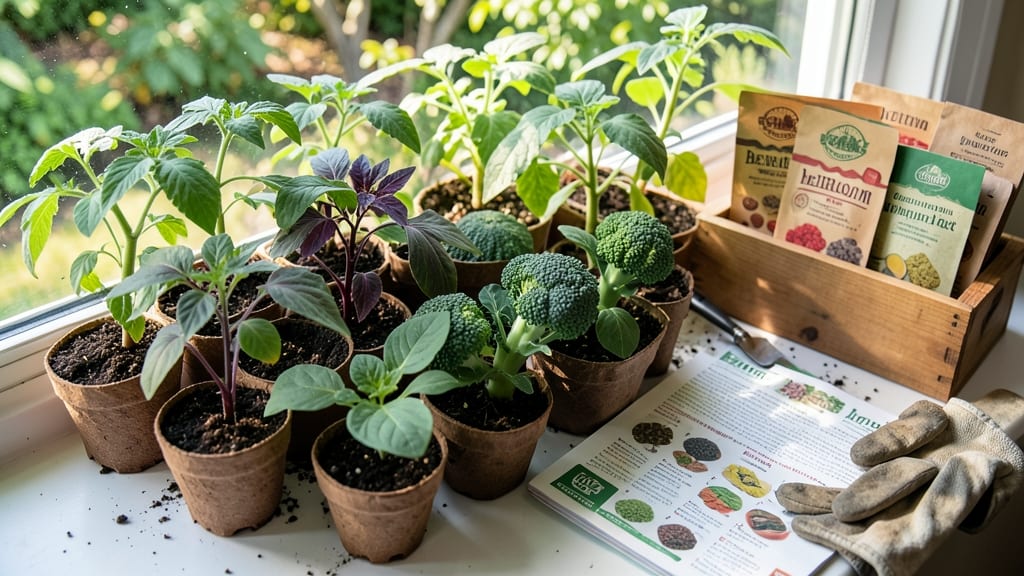
Finding heirloom vegetable seeds that actually grow in your climate can feel like hunting for treasure. 🌱 I’ve spent years tracking down the best companies—those that specialize in rare, open-pollinated varieties while supporting sustainable gardening practices.
These aren’t just seed catalogs; they’re gateways to flavors and textures you won’t find in grocery stores.
The top companies focus on non-GMO, organic-certified seeds and often include growing guides tailored to your region. Some even offer seed-saving workshops, ensuring you can keep the cycle going year after year.
Whether you’re after a 100-year-old tomato or a drought-resistant bean, these sources prioritize adaptability and authenticity over mass-produced hybrids.
What sets them apart? Most guarantee viability for multiple seasons, so you’re not just buying seeds—you’re investing in a living legacy. Plus, their catalogs often highlight heirloom varieties that thrive in your specific hardiness zone, cutting down on trial-and-error planting.
Imagine harvesting a purple-stemmed watermelon or a black Krim tomato that tastes like summer in every bite.
Here’s the kicker: many of these companies also partner with seed libraries and conservation groups, meaning your purchase helps preserve biodiversity. Ready to turn your garden into a living museum of flavors? Let’s dive into the best sources for your next planting season.
📚 In This Guide
- What you need
- Instructions
- Tips and common mistakes
- Wrapping up and next steps
What you need
- ● High-quality heirloom seeds: Purchase from trusted heirloom vegetable seed companies (e.g., Baker Creek, Seed Savers Exchange, or Southern Exposure). Start with 5–10 varieties to avoid overwhelm.
- ● Seed starting trays or pots: Biodegradable or reusable (2–3 inches deep), with drainage holes. Aim for at least 50 cells if starting multiple varieties.
- ● Seed starting mix: Lightweight, sterile potting soil (avoid garden soil—it’s too dense!). A 10–15 lb bag covers most small starts.
- ● Grow lights or sunny windowsill: A full-spectrum LED grow light (12–16 hrs/day) or a south-facing window with 6+ hours of direct sunlight.
- ● Watering can with a fine rose: Gentle watering prevents seed displacement. A 1–2 gallon capacity is ideal.
- ● Plant labels & markers: Durable labels (e.g., wooden sticks or plant tags) to track varieties—heirloom names can be tricky!
- ○ Spray bottle (optional but helpful): For misting seeds during germination (e.g., 16 oz capacity with a fine mist nozzle).
- ● Heat mat: Speeds up germination for slow starters (e.g., 70–80°F setting).
- ● Humidity dome or plastic wrap: Retains moisture for the first 7–10 days.
- ● Fertilizer (low-dose): Organic starter fertilizer (e.g., fish emulsion 2-2-2 or compost tea).
- ● Journal or app: Track planting dates, varieties, and growth notes (e.g., Gardenate or a simple notebook).
- ● Hardening-off tray: A shallow tray with mesh sides to acclimate seedlings to outdoor conditions.
How to choose and order from heirloom vegetable seed companies
Here's how I select rare seed sources that deliver quality, authenticity, and support sustainable gardening.
🌱 Step 1: Identify Reputable Specialty Companies
Start with companies known for non-GMO, open-pollinated heirlooms—avoid big-box retailers that often carry hybrid varieties. I focus on businesses with organic certification, transparent seed-saving practices, and clear germination guarantees. Look for customer reviews mentioning package integrity (no cracked seeds) and growing success rates.
My top criteria: seed viability tests, organic growing practices, and whether they offer rare or endangered varieties. Companies like Baker Creek Heirloom Seeds and Seed Savers Exchange consistently deliver on these points. I always check their catalogs for limited-edition varieties—those are the true treasures.
🌿 Step 2: Research Variety Availability and Growing Conditions
Not all heirlooms thrive in every climate. I cross-reference each variety's days to maturity with my frost-free growing window (typically 90-120 days in my zone). For example, a 100-day tomato won't ripen if my season only offers 85 days of warmth.
Check company descriptions for light requirements and soil preferences. Some heirlooms, like Cherokee Purple tomatoes, need full sun and rich compost, while others like Black Krim tolerate partial shade. I make notes about succession planting needs—some varieties, like Amarillo chiles, benefit from staggered sowing.
☀️ Step 3: Compare Pricing and Bulk Options
Heirloom seeds cost more than hybrids, but quality matters. I calculate cost per seed by dividing the total price by the number of seeds in the packet. A $3 packet with 25 seeds costs 12 cents per seed, while a $5 packet with 5 seeds jumps to $1 per seed. I prioritize bulk options for staples like beans or lettuce.
Watch for discounts on larger orders—some companies offer 10-15% off when you buy 5+ packets. I also check shipping costs: flat-rate options save money if I'm ordering multiple varieties. Never rush a purchase—wait for seasonal sales or seed swaps to stretch your budget further.
✂️ Step 4: Review Seed Saving and Sustainability Policies
True heirloom companies encourage seed saving and often provide growing tips to help you preserve seeds. Look for businesses that offer free seed-saving guides or workshops. I avoid companies that restrict seed sharing—sustainable gardening depends on community seed banks and open-source genetics.
Check their packaging materials: biodegradable or recyclable options show commitment to sustainability. Some companies even donate a portion of profits to seed libraries or conservation efforts. I make it a point to support those initiatives—every purchase helps preserve biodiversity.
📦 Step 5: Place Your Order Strategically
Order early to avoid sold-out varieties—popular heirlooms disappear fast. I place orders in late winter so seeds arrive by early spring, just before my last frost date. Most companies ship within 2-4 weeks, but I always add express shipping for rare or limited-edition seeds.
Save order confirmations and germination test results. I store seeds in a cool, dark place (like a refrigerator with a silica gel packet) to maintain viability. Label each packet with the variety name, purchase year, and germination date—this prevents mix-ups and helps track seed aging.
Tips & tricks for selecting rare heirloom vegetable seeds
These insider strategies will help you source the finest heirloom varieties while avoiding common pitfalls that compromise quality.
Seed Viability Check: Always verify a company's germination rates before purchasing. Reputable seed companies like Baker Creek Heirloom Seeds and Seed Savers Exchange publish these rates—look for 90% or higher. I've learned the hard way that lower rates often mean older seeds or poor storage practices. When in doubt, ask for a sample packet to test germination yourself before committing to bulk orders.
Climate Matching: Your local frost-free growing window (typically 90-120 days in most zones) should align with each variety's days to maturity. For example, I avoid 100-day tomatoes in my 85-day zone—this mismatch guarantees underripe harvests. Use the company's growing zone maps to select varieties that thrive in your specific microclimate. Some companies even offer regional recommendations in their catalogs.
Sustainability Indicators: Look beyond seed quality to a company's ethical practices. I prioritize businesses with biodegradable packaging, seed-saving guides, and transparent sourcing. Companies that donate to seed libraries or conservation programs demonstrate real commitment to biodiversity preservation. These small choices make a big difference in supporting sustainable agriculture.
Order Timing Strategy: Place orders in late winter to ensure seeds arrive before your last frost date—this critical window determines whether your plants establish properly. For rare varieties, I always opt for express shipping (typically 3-5 business days) to avoid missing out on limited-edition seeds. Pro tip: Set calendar reminders for seasonal sales in early spring when companies often offer discounts on bulk orders.
Pro Tips for Heirloom Vegetable Seed Companies
- These insider strategies will help you source the finest heirloom varieties while avoiding common pitfalls that compr...
- Seed Viability Check: Always verify a company's germination rates before purchasing. Reputable seed companies like Ba...
- Climate Matching: Your local frost-free growing window (typically 90-120 days in most zones) should align with each v...
Frequently asked questions
Got questions about heirloom vegetable seeds?
You’re not alone! Here are answers to the most common inquiries to help you get started confidently.
What makes heirloom seeds different from hybrid or GMO seeds?
Heirloom seeds are open-pollinated, meaning you can save them from year to year and they’ll grow true to type. Unlike hybrids (which may not reproduce reliably) or GMOs (genetically modified), heirlooms preserve genetic diversity and often boast unique flavors, colors, and hardiness. Plus, they’re a sustainable choice for gardeners who love tradition!
When is the best time to order heirloom seeds?
Most companies ship seeds year-round, but early spring (February–March) is ideal for planning your garden. If you’re in a warmer climate, you might start sowing some varieties as early as January. Always check the company’s shipping deadlines—some offer discounts for early orders, and late shipments can arrive too late for your growing season!
Are heirloom seeds more expensive than conventional seeds?
Yes, they often cost more per packet—but not always! Prices vary by rarity and company. Some heirloom varieties (like tomatoes or beans) may be priced similarly to hybrids, while ultra-rare or antique seeds can be pricier. Pro tip: Look for bulk discounts, seed swaps, or sales from reputable companies like Baker Creek Heirloom Seeds or High Mowing Organic Seeds to save.
Can I save seeds from heirloom vegetables to plant next year?
One of the biggest perks of heirloom seeds is their savability. After harvesting, let some fruits/veggies (like tomatoes, peppers, or beans) dry on the plant, then extract and store the seeds in a cool, dark place. Just ensure the variety is open-pollinated—check the seed packet for confirmation. Bonus: Saving seeds connects you to gardening traditions and reduces waste!
What should I do if my heirloom seeds don’t germinate?
First, don’t panic! Try these troubleshooting steps:
- Check freshness: Older seeds (2+ years) may need scarification (lightly sanding the seed coat) or soaking in warm water overnight.
- Test viability: Place seeds in a damp paper towel—most should sprout within 7–14 days.
- Adjust conditions: Some heirlooms need specific temps (e.g., Carolina Gold melons thrive in heat). Follow the packet’s guidelines.
- Contact the company: Reputable sellers often replace non-viable seeds or offer refunds.
If all else fails, try a different variety—some heirlooms are finicky!
Wrapping up and next steps
Choosing heirloom vegetable seed companies is a rewarding step toward growing unique, flavorful, and sustainable produce. These rare varieties not only preserve biodiversity but also connect you to gardening traditions and delicious flavors you won’t find in conventional seeds. 🌱
Ready to take the next step? Start small—pick a few heirloom seeds that excite you, plan your garden space, and watch your sustainable harvest grow! Whether you’re a seasoned gardener or just starting, every seed you plant is a celebration of nature’s diversity.