
Pruning
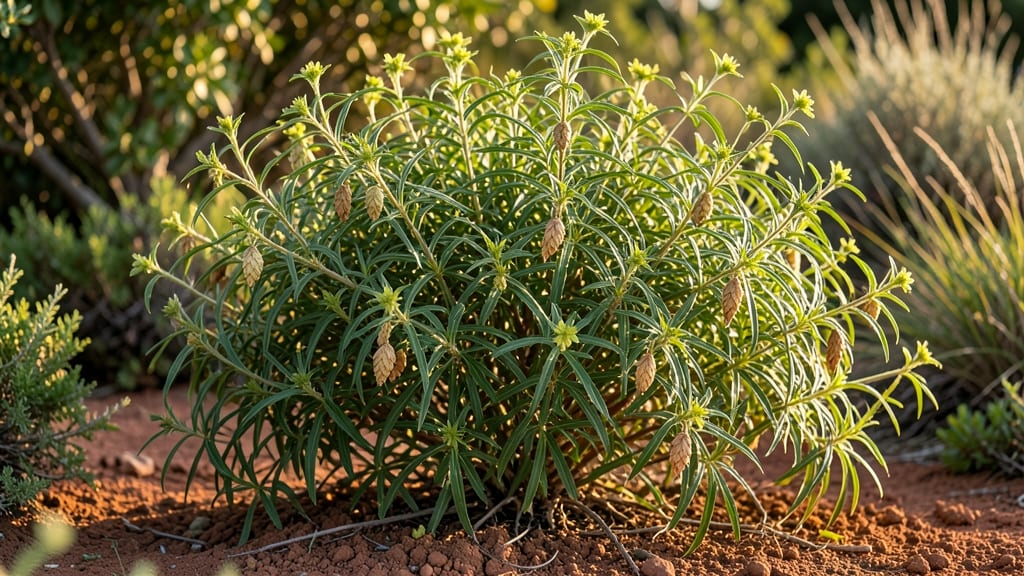
Your hopseed bush thrives when you prune it right—year-round care keeps it healthy, drought-resistant, and packed with ornamental value. 🌿 I’ve learned the hard way that skipping pruning leads to leggy growth and fewer seeds, but a few strategic cuts transform this bush into a low-maintenance powerhouse.
This plant handles neglect better than most, but it rewards attention with vibrant foliage and silvery-blue seed pods. Start with basic tools—a pair of sharp pruners and gloves—and focus on shaping in late winter or early spring.
The key is removing dead wood first, then thinning crowded branches to improve airflow. You’ll end up with a bush that stays compact, produces more seeds, and resists pests naturally. The silvery leaves add texture to any landscape, and the drought tolerance means less watering once established.
Even experienced gardeners find this bush’s resilience impressive. Works in full sun to partial shade, from coastal gardens to arid climates. Let’s get those branches trimmed for a bush that looks good and performs better.
📚 In This Guide
- What you need
- Instructions
- Tips and common mistakes
- Wrapping up and next steps
What you need
- ● Pruning shears: A sharp, bypass-style pair (for clean cuts). Recommended: Felco F-2 or similar (5-inch blade).
- ● Loppers: For thicker branches (up to 2 inches in diameter). Recommended: Fiskars X27 or comparable.
- ● Gloves: Heavy-duty, gardening gloves (to protect against thorns and sap). Recommended: Mechanix or similar.
- ○ Disinfectant (optional but recommended): 70% isopropyl alcohol or a pruning sealant (to prevent disease spread).
- ● Pruning saw: For stubborn, woody branches (if your bush gets large). Recommended: Fiskars PowerGear.
- ● Rake or leaf blower: To clear debris after pruning.
- ● Watering can or hose: For post-pruning hydration (especially in dry climates).
- ○ Mulch (optional): Organic mulch (e.g., straw, wood chips, or pine needles) to retain moisture and suppress weeds.
- ● Safety gear: Long sleeves and closed-toe shoes (hopseed bushes can have thorny branches!).
- ● Weather check: Prune on a dry, overcast day (avoid pruning after rain or in extreme heat).
- ● Plant health assessment: Inspect your bush for diseased or dead branches before pruning.
- ● Harvest goals: If you’re growing for seeds or foliage, adjust pruning strategies accordingly (e.g., lighter pruning for seed production).
Step-by-step instructions for pruning hopseed bushes
Here’s how I keep my hopseed bushes thriving year-round with simple pruning techniques.
✂️ Step 1: Prune for Shape in Early Spring
Start as soon as new growth appears in early spring—usually late February to March depending on your climate. Remove any dead, damaged, or crossing branches first. These are easy to spot: they’re brown, brittle, or growing inward toward the center of the bush.
Next, cut back last year’s growth by one-third to encourage bushier, more productive growth. Use clean, sharp pruners to make cuts just above a leaf node or outward-facing bud. This ensures new shoots grow outward rather than inward, improving airflow and sunlight penetration.
🌿 Step 2: Thin for Airflow During Active Growth
When the bush is in full leaf—typically May to June—focus on thinning. Remove any branches that are rubbing against each other or growing too densely. You’ll see these as crowded stems with overlapping leaves. Prune them back to a strong lateral branch or remove them entirely if they’re weak.
This step is crucial for preventing fungal diseases like powdery mildew. Aim for a well-spaced structure where sunlight can reach the inner branches. If you’re unsure, step back and look for gaps—those are your targets for pruning.
✂️ Step 3: Light Summer Trimming After Flowering
After the bush finishes flowering—usually July to August—give it a light trim to shape and encourage another round of growth. Cut back any leggy or overgrown branches by one-third to half their length. This keeps the bush compact and promotes new shoots that will produce more seeds.
Watch for any branches that are growing too long or flopping over. These can be pruned back to a strong lateral branch or removed entirely. Avoid heavy pruning now, as it can stress the plant before winter. Just a light touch keeps it healthy without sacrificing next year’s harvest.
⏰ Step 4: Minimal Winter Pruning Before Dormancy
In late fall, after the first frost but before hard freezes—typically November to December—do a final light pruning. Remove any dead, diseased, or weak branches. You’ll recognize these as branches that didn’t produce seeds or look unhealthy.
Resist the urge to prune heavily now. Hopseed bushes store energy in their roots, and heavy winter pruning can weaken the plant. Instead, focus on cleaning up debris around the base to reduce pests and diseases. Mulch lightly with 2-3 inches of organic mulch to protect roots over winter.
Tips & tricks for healthy hopseed bush growth
Keeping your hopseed bushes productive all year takes a little strategy—here's how to avoid common pitfalls and maximize your harvest.
Timing is Everything: The late February to March window for early spring pruning is critical because that's when new growth begins. If you miss this timing, you'll delay the bush's ability to produce new shoots for the season. I've seen bushes that were pruned too late in spring struggle to recover—don't let that happen to yours. Watch for the first signs of green growth emerging from the base, and that's your cue to start.
Tool Selection Matters: Never use dull pruners—they crush stems instead of making clean cuts, which invites disease. Invest in a good pair of bypass pruners and sharpen them before each pruning session. For thicker branches, use loppers with clean, sharp blades. I keep a small file in my gardening toolbox specifically for maintaining my pruners between uses. This small investment pays off in healthier plants and cleaner cuts that heal properly.
Pruning for Health: When you're thinning in May to June, look for branches that are growing inward—they'll create a dense center that blocks sunlight and air circulation. These are prime candidates for removal. I like to step back and visually assess the bush's structure after each cut. The goal is to create an open center with branches spaced about 6-8 inches apart. This spacing dramatically reduces the risk of fungal diseases like powdery mildew that thrive in crowded, damp conditions.
Seasonal Adjustments: The light summer trim after flowering (July to August) should be just that—light. You're not trying to drastically reshape the bush at this point, just maintain its form and encourage new growth before winter. I've learned this the hard way after over-pruning in summer and seeing reduced seed production the following year. Focus on removing only the most leggy branches, cutting them back to a strong lateral branch rather than making drastic reductions.
Pro Tips for Hopseed Bush Care
- Keeping your hopseed bushes productive all year takes a little strategy—here's how to avoid common pitfalls and maximize your harvest.
- Timing is Everything: The late February to March window for early spring pruning is critical because that's when new growth begins.
- Tool Selection Matters: Never use dull pruners—they crush stems instead of making clean cuts, which invites disease.
Frequently asked questions
Got questions about keeping your hopseed bush thriving?
Here are answers to the most common concerns—from pruning timelines to troubleshooting—so you can grow with confidence!
When is the best time to prune a hopseed bush?
The ideal time is late winter or early spring (before new growth starts) to shape the plant and encourage strong branches. You can also do a light prune after harvest to tidy up, but avoid heavy cuts then—focus on removing dead or diseased wood. Pro tip: If you’re in a warm climate, prune in fall instead to avoid winter stress!
How much can I trim back my hopseed bush?
For first-year plants, trim back by 1/3 to 1/2 to encourage bushiness. Mature bushes can be pruned harder—up to 2/3 of the height—but never cut into old wood (it won’t regrow). Always leave 2-3 buds per stem to promote new growth. Warning: Over-pruning can stress the plant and reduce fruit yield.
Why are my hopseed bush leaves turning yellow?
Yellow leaves usually mean overwatering or nutrient deficiency. Check the soil—it should be moist but not soggy. If the yellowing starts at the edges, it’s likely underwatering or chlorosis (iron deficiency). Try adding chelated iron or compost. Bonus fix: Mulch around the base to retain moisture and improve soil health!
Can I grow hopseed bushes in containers?
Yes! They thrive in large pots (at least 18-24 inches wide) with well-draining soil. Use a balanced fertilizer (like 10-10-10) every 4-6 weeks during growing season. Containers dry out faster, so water daily in summer and move pots to a sunny spot (6+ hours of light). Note: Dwarf varieties (like ‘Blue Pacific’) are best for containers—they stay compact!
How do I protect my hopseed bush from pests?
Common pests include aphids, spider mites, and whiteflies. Start with neem oil spray or insecticidal soap for mild infestations. For severe cases, introduce beneficial insects like ladybugs. Preventative tip: Keep the area weed-free and prune regularly to improve airflow—pests hate dry, airy plants!
Wrapping up and next steps
Caring for your hopseed bush is all about consistency and a little know-how—whether you’re trimming for shape, boosting yields, or keeping pests at bay. With the right tools, timing, and techniques, you’ll enjoy lush growth and abundant harvests year after year. 🌱✨
Ready to put your new skills to work? Start by scheduling a quick pruning session this weekend—your hopseed bush will thank you! For extra guidance, bookmark this guide or explore local gardening forums to connect with fellow plant enthusiasts.