
Propagation
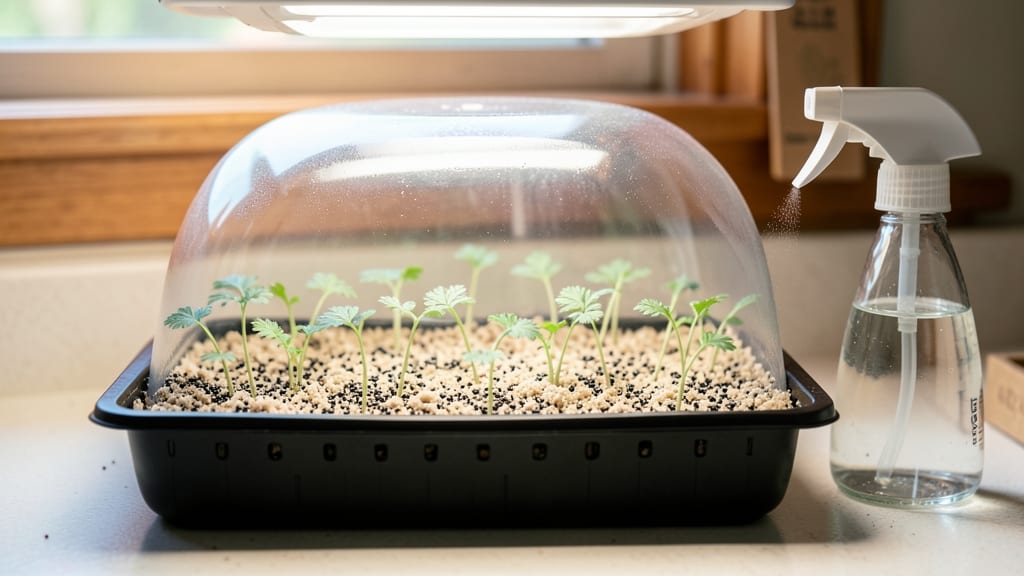
Growing poppies from seed indoors can yield shockingly lush blooms in just 30 days—no green thumb required. 🌸 The secret lies in mimicking their natural conditions, which are simpler than you’d think.
I’ve grown everything from delicate oriental poppies to bold California poppies indoors, and the key is patience combined with the right setup.
Start with fresh seeds (they lose viability quickly) and a shallow tray filled with damp, well-draining soil mix. Poppies hate soggy roots, so add perlite or sand to keep things airy. Place the tray in a warm spot—around 70°F—and keep the soil lightly moist (not wet).
Germination can take 7-14 days, so resist the urge to overwater or fuss with them.
Once sprouts appear, move them to a sunny windowsill or under a grow light for 12-14 hours daily. Thin seedlings to 2 inches apart to avoid crowding, and transplant outdoors after the last frost when they’re 3-4 inches tall.
The first blooms will arrive faster than you expect—often within weeks of transplanting.
Troubleshooting is minimal: if seedlings look leggy, they need more light. Yellow leaves? Check for overwatering. And yes, they will flop in wind—stake them early. With this method, you’ll have poppies thriving indoors and outdoors, all from a tiny packet of seeds.
📚 In This Guide
- What you need
- Instructions
- Tips and common mistakes
- Wrapping up and next steps
What you need
- ● Poppy seeds: Choose Papaver somniferum (opium poppy) or Papaver rhoeas (corn poppy) seeds. Buy from a reputable seed supplier (aim for 5–10 seeds to start).
- ● Seed trays or small pots: 2–4 biodegradable or plastic trays (3–4 inches deep) or 4–6 small pots (3–4 inches in diameter) with drainage holes.
- ● Seed-starting mix: A lightweight, sterile potting mix (avoid garden soil—it’s too dense!). Look for a mix labeled for seedlings or succulents.
- ● Grow lights or a sunny windowsill: Poppies need 12–16 hours of light daily. A full-spectrum LED grow light (12–24 inches above seedlings) works best, or place trays near a south-facing window.
- ● Spray bottle: For gentle watering (avoid over-saturating seeds).
- ○ Humidity dome or plastic wrap: Helps maintain moisture while seeds germinate (optional but highly recommended for first 7–10 days).
- ○ Small fan (optional): A gentle breeze (on low) prevents damping-off disease by improving air circulation.
- ● Patience: Poppy seeds germinate slowly (7–21 days)—don’t rush them! 🐢
- ● Consistent warmth: Keep trays in a spot with 65–75°F (18–24°C) for optimal germination.
- ● Thinning tools: Once seedlings sprout, you’ll need scissors or tweezers to thin weak plants (keep the healthiest 2–3 seedlings per pot).
- ● Heating mat: Speeds up germination if your home runs cool (set to 70–75°F).
- ● Fertilizer: A balanced liquid fertilizer (5-5-5 or 10-10-10) diluted to half-strength after 3–4 weeks.
- ● Labeling tags: Mark trays with seed type and planting date to avoid mix-ups!
- ● Peat pellets: Eco-friendly alternative to trays for transplanting later.
Step-by-step instructions for growing poppies from seed indoors
Poppy seeds are finicky but rewarding—here’s how to coax them into sturdy seedlings without the usual struggles.
🌱 Step 1: Prepare Your Containers and Soil Mix
Poppy seeds need loose, well-draining soil to prevent rot. I use a blend of 50% peat-free seed starter mix and 50% perlite—this keeps roots aerated and mimics their natural dry conditions. Fill small pots or seed trays with this mix, leaving ½ inch of space at the top for watering. Press down lightly to remove air pockets, but don’t compact it.
Poppies hate soggy soil, so add a handful of sand to improve drainage if your mix feels dense. Moisten the soil with a spray bottle until it’s damp but not wet—think of a wrung-out sponge. Overwatering now will trigger damping-off before seeds even sprout.
🌱 Step 2: Sow Seeds Shallowly and Space Them Properly
Poppy seeds are tiny—about the size of a pinhead—so I use a toothpick to place them ⅛ inch deep in the soil. Space them ½ inch apart in rows 1 inch apart to avoid overcrowding. Press each seed gently into the soil with the toothpick to ensure good soil contact, which helps with germination.
Don’t cover them with extra soil—poppies need light to germinate. Instead, mist the surface lightly with water to settle the seeds. Place the tray in a clear plastic bag or under a glass cloche to retain humidity, but leave it slightly ajar for airflow. This prevents mold while keeping moisture consistent.
☀️ Step 3: Provide Warmth and Light for Germination
Poppies germinate best at 70-75°F, so place your tray on a seedling heat mat or in a warm spot like on top of the fridge. Without warmth, germination can take 3-4 weeks instead of the usual 7-14 days. Keep the soil consistently moist but never soggy—check daily and mist if the surface feels dry.
Once seeds sprout, remove the plastic immediately to prevent fungal growth. Place the seedlings under a grow light or in a south-facing window where they’ll get 12-14 hours of light daily. Poppies stretch toward light aggressively, so keep the light 2-3 inches above the seedlings and raise it as they grow. Leggy seedlings won’t recover—this is your warning sign.
🌿 Step 4: Thin Seedlings and Harden Off Before Transplanting
When seedlings develop 2-3 true leaves (about 3-4 weeks after sowing), thin them to 2 inches apart using scissors to avoid disturbing roots. Poppies resent transplant shock, so I use a pencil to loosen the soil around each seedling before gently lifting it. This keeps the root ball intact and reduces stress.
Start hardening off seedlings 10 days before transplanting by placing them outside in a sheltered spot for 1-2 hours daily, gradually increasing time. Poppies are frost-tolerant but hate sudden temperature swings. Transplant on a cool, overcast day to minimize stress, and water deeply at the base to encourage root growth.
⏰ Step 5: Maintain Moisture and Light for Strong Growth
After transplanting, keep soil consistently moist but not waterlogged—poppies wilt quickly if thirsty. Mulch with ½ inch of straw to retain moisture and suppress weeds. They thrive in full sun but tolerate partial shade, though flowers may be fewer. Watch for aphids on new growth and treat with neem oil if needed.
Poppies grow fast—expect 4-6 week flowers from seed if conditions are right. Deadhead spent blooms to encourage more flowers, but leave some seed pods if you want next year’s crop. The key is patience: poppies reward careful growers with bold, long-lasting blooms.
Tips & tricks for perfect indoor Poppy growth
Poppies might seem tricky, but these little details make all the difference between wimpy seedlings and show-stopping blooms.
Soil Science: That 50/50 mix of seed starter and perlite isn't just arbitrary—it's about creating an airy environment poppies crave. If your mix feels compacted, add extra perlite or even a pinch of vermiculite to boost aeration. Think of it like giving their roots a breath of fresh air. I've seen poppies rot in dense soil before, so don't skip this step!
Lighting Strategy: Those 12-14 hours of light aren't just about duration—they're about intensity. If your seedlings start stretching toward the light (that's the classic "leggy" warning sign), you're either too far away or the light's too weak. Adjust your grow light to hover just 2-3 inches above the tallest seedlings and watch them perk up instantly. A good test: if you can read a book comfortably under the light, it's probably too dim.
Germination Guard: The clear plastic bag creates a greenhouse effect, but it's a delicate balance. Check it daily for condensation—if you see heavy droplets, you're overdoing humidity. Poppies need moisture, not a swamp. I crack the bag open for 10 minutes each morning to refresh airflow, which prevents that dreaded black mold from creeping in.
Transplant Timing: That 10-day hardening off period is non-negotiable. Poppies are tough little plants, but they still get stressed by temperature swings. Start with just 1-2 hours in shade on day one, then gradually increase exposure. I've seen growers rush this and end up with wilted seedlings that never recover. Think of it like teaching them to walk before running—patience pays off.
Pro Tips for Grow Poppies From Seed Indoors
- Poppies might seem tricky, but these little details make all the difference between wimpy seedlings and show-stopping blooms.
- Soil Science: That 50/50 mix of seed starter and perlite isn't just arbitrary—it's about creating an airy environment poppies crave.
- Lighting Strategy: Those 12-14 hours of light aren't just about duration—they're about intensity.
Frequently asked questions
Got questions about growing poppies indoors?
You’re not alone! Here are some of the most common concerns—plus quick, no-fuss answers to help you grow confidently.
How long does it take for poppy seeds to germinate indoors?
Poppy seeds are fast—expect sprouts in 7–14 days if kept warm (70–75°F) and moist. Some varieties, like Papaver somniferum, may germinate in just 5 days! Patience pays off, but don’t overwater—soggy soil can delay or prevent germination. Pro tip: Use a heat mat if your home runs cool.
Can I grow poppies indoors without sunlight?
Poppies love light, but you can trick them with 14–16 hours of grow lights daily. Skip the sun? Opt for a south-facing window or LED bulbs (5,000–6,500K spectrum). Leggy seedlings? Rotate trays every few days for even growth. No grow lights? Try a sunny windowsill—just monitor for stretching (a sign they’re hungry for more light).
Why aren’t my poppy seeds sprouting?
Poppy seeds are picky—here’s your troubleshooting checklist:
Too cold? Seeds need warmth (use a heat mat or warm spot like near a fridge).
Too wet/dry? Keep soil consistently moist (not soggy). Spritz with water if the top layer dries.
Old seeds? Poppy seeds lose viability after 1–2 years. Test a few in warm water—if they sink, they’re likely still good.
Depth issue? Plant seeds ¼ inch deep—any deeper, and they may rot.
Still stuck? Try scarifying seeds (lightly nick the shell) to help them break dormancy.What’s the best indoor pot size for poppy seedlings?
Start small! Use 2–3 inch pots or seed trays with drainage for early growth. Poppies hate root crowding, so transplant them into 4–6 inch pots once they’ve got 2–3 true leaves. Skip the giant containers—poppies prefer snug spaces to encourage strong stems. Pro tip: Use biodegradable pots for easy outdoor transplanting later!
Are there any easy poppy varieties for beginners?
Try these low-maintenance picks:
- California Poppy (Eschscholzia californica): Drought-tolerant, fast-growing, and thrives in small pots.
- Iceland Poppy (Papaver nudicaule): Cold-hardy and compact—perfect for windowsills.
- Corn Poppy (Papaver rhoeas): Classic red blooms, but needs more light than other varieties.
Wrapping up and next steps
Growing poppies from seed indoors is a rewarding journey—one that blooms with patience, care, and just the right touch of sunlight! 🌱 With the right setup, you’ll see those delicate petals unfurl in as little as 30 days.
Whether you’re a gardening newbie or a seasoned green thumb, these vibrant flowers are a fantastic project to brighten up your space.
Now that you’re armed with tips and tricks, why not take the next step? Grab those seeds, set up your grow lights, and watch your indoor garden flourish. Happy growing—and may your poppies be as bold and beautiful as your dreams! 🌸