
Lawn
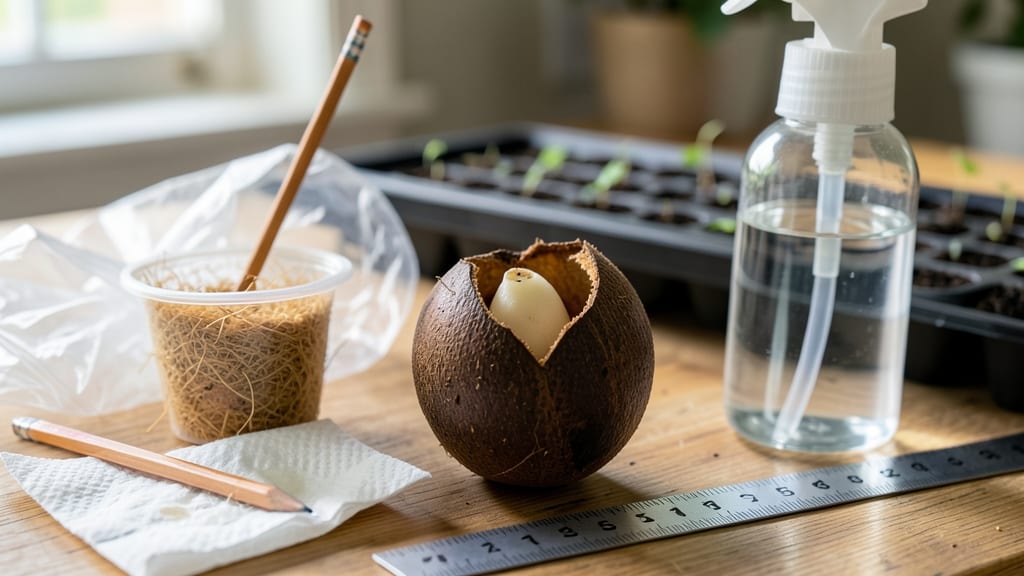
That mango pit in your fruit bowl could grow into a tree with bright orange blooms and sweet, sun-ripened fruit—if you learn how to prepare a mango seed for planting right. 🌱 I’ve turned store-bought seeds into thriving saplings, and the process is simpler than you’d think, with results in just 30 days.
The key isn’t fancy equipment but understanding how to break dormancy and coax that tiny seed to life.
Start with a fresh, clean seed—no dried-out pits from last summer’s fruit. After removing the fibrous flesh, let it dry for 2-3 days to prevent mold, then place it between two damp paper towels.
Store it in a ziplock bag (poke a few holes for airflow) and keep it warm—like on top of your fridge. Within 10-20 days, you’ll spot a tiny white root poking through, signaling it’s ready for soil.
Once sprouted, plant the seed 1 inch deep in well-draining potting mix, keeping it moist but not soggy. A clear plastic bag over the pot creates a mini greenhouse, speeding up growth.
In 4-6 weeks, you’ll see the first true leaves—proof your mango tree is on its way. Patience is key here; tropical seeds take time, but the payoff is worth it.
Troubleshooting slow starts? Check your seed’s freshness or warmth source—mango seeds need consistent heat to germinate. Overwatering causes mold, so let the top inch of soil dry between waterings.
With the right care, you’ll have a 3-foot sapling by next spring, ready to move outdoors once temperatures stay above 50°F. The best part? Zero waste, just pure potential.
📚 In This Guide
- What you need
- Instructions
- Tips and common mistakes
- Wrapping up and next steps
What you need
- ● Fresh, viable mango seed: 1 (preferably from an organic, disease-free mango—avoid hybrid or treated seeds).
- ● Paper towels or coffee filters: 2-3 sheets (for moisture retention during germination).
- ● Plastic zip-top bag: 1 (quart-sized or larger, with a sealable closure).
- ● Small container or pot: 1 (4-6 inches in diameter, with drainage holes—clay or plastic works).
- ● Well-draining potting mix: 1 bag (lightweight, organic blend with perlite or vermiculite for aeration).
- ● Spray bottle: 1 (with water for misting—avoid soaking!).
- ● Ruler or measuring tape: 1 (to track seed growth over time).
- ● Pencil or marker: 1 (for labeling your seedling pot).
- ● Hydrogen peroxide (3% solution): A few drops (to disinfect the seed before planting).
- ● Grow lights or sunny windowsill: Access to indirect sunlight (6+ hours/day) or a small LED grow light for seedlings.
- ● Fertilizer (balanced, water-soluble): 1 small bottle (diluted to half-strength for young seedlings).
- ○ Heat mat (optional for tropical climates): 1 (to maintain soil warmth, 75–85°F, if germinating in cooler months).
- ● Notebook or app: For tracking germination progress (e.g., days to sprout, growth milestones).
Step-by-step instructions for preparing a mango seed for planting
Turn that grocery store pit into a thriving seedling with this foolproof, zero-waste method.
🌱 Step 1: Extract and Clean the Seed
Start with a fresh mango pit—remove all remaining fruit flesh using a spoon or paper towel. The cleaner the seed, the faster it germinates. Rinse it under cool water to remove any sticky residue, then pat dry with a paper towel. I like to let it air-dry for 1-2 hours on a paper towel to prevent mold.
Inspect the seed for cracks or soft spots—these indicate rot or damage. A healthy seed will feel firm and smooth. If you find any imperfections, discard it immediately, as damaged seeds rarely germinate. Store your clean seed in a cool, dry place until ready to begin the germination process.
💧 Step 2: Soak the Seed to Break Dormancy
Fill a small bowl with lukewarm water—not hot, just slightly warmer than room temperature. Place the seed in the water and let it soak for 3-5 days, changing the water daily. This step is critical because mango seeds have a hard outer shell that slows down germination. Soaking softens the seed coat and encourages root growth.
Check the seed daily for signs of sprouting—a small white root should emerge first. Once you see this root, remove the seed from the water and let it dry briefly. This prevents the seed from rotting once you plant it. If the seed begins to smell or develop mold, discard it and try another.
☀️ Step 3: Plant the Germinated Seed in Moist Soil
Fill a small pot—4-6 inches deep—with well-draining potting mix. Press the mix lightly so it’s firm but not compacted. Make a hole about 1 inch deep and place the seed root-side down. Cover it lightly with soil, leaving just the top visible. Water gently until the soil feels evenly moist but not soggy.
Place the pot in a warm, bright spot—70-80°F—but avoid direct sunlight, which can overheat the soil. A south-facing windowsill with indirect light works well. Keep the soil consistently moist by watering every 2-3 days, or when the top inch feels dry. You should see the first true leaves emerge within 2-4 weeks.
🌿 Step 4: Transplant and Care for the Seedling
Once the seedling reaches 6-8 inches tall and has 4-6 true leaves, it’s ready for transplanting. Choose a larger pot—8-10 inches deep—and fill it with fresh potting mix. Dig a hole slightly larger than the seedling’s root ball, place it in, and firm the soil around it. Water thoroughly to help it settle.
Move the seedling to a location with bright, indirect sunlight for the first week to help it adjust. After that, gradually introduce it to more sunlight. Fertilize lightly with a balanced, water-soluble fertilizer every 4-6 weeks to encourage strong growth. Avoid overwatering—mango seedlings are sensitive to root rot, so let the top inch of soil dry out between waterings.
Tips & tricks for perfect mango seed germination
Here's what nobody tells you about turning that grocery store pit into a thriving plant—these tricks make all the difference.
Seed Selection Tip: Choose a seed from a ripe, firm mango—avoid those that feel soft or have cracks. The seed should be completely dry after your 1-2 hour air-drying period, with no moisture lingering between the shell layers. I've found that seeds from organic mangoes often have better germination rates, likely because they're less likely to have been treated with preservatives that might inhibit growth.
Soaking Strategy: The 3-5 day soaking window is your best chance to break dormancy, but don't skip the daily water changes—this prevents bacterial growth that could rot your seed before it even sprouts. I like to use a small glass jar for soaking so I can easily monitor progress. Place a rubber band around the jar at the waterline to track evaporation—when the water level drops below the band, it's time for a refresh.
Planting Depth: That 1-inch planting depth might seem shallow, but mango seeds need room to grow upward without being buried too deep. Press the soil lightly around the seed to ensure good contact—this helps stabilize the seed while allowing roots to develop freely. For extra support, you can gently press a small wooden toothpick next to the seed to mark its position without disturbing it later.
Temperature Troubleshooting: Maintaining that 70-80°F range is crucial, but don't worry if your home falls outside this window. A simple solution is to place your seedling on top of a refrigerator (not inside) for gentle warmth, or use a seedling heat mat set to low. If your space is too cool, consider using a clear plastic bag to create a mini greenhouse effect—just remove it daily for 10 minutes to prevent mold.
Pro Tips for Prepare A Mango Seed For Planting
- Here's what nobody tells you about turning that grocery store pit into a thriving plant—these tricks make all the difference.
- Seed Selection Tip: Choose a seed from a ripe, firm mango—avoid those that feel soft or have cracks.
- Soaking Strategy: The 3-5 day soaking window is your best chance to break dormancy, but don't skip the daily water changes—this prevents bacterial growth that could rot your seed before it even sprouts.
Frequently asked questions
Got questions about germinating mango seeds? You’re not alone—here are the most common ones, answered for quick, stress-free planting!
How long does it take for a mango seed to sprout?
A mango seed typically sprouts in 10–30 days if kept consistently moist and warm (around 70–80°F). Patience is key—some seeds take longer, especially if stored dry. Pro tip: If no sprouts appear after 30 days, gently check for rot (smelly or mushy seed = compost time!).
Can I plant a mango seed directly in the ground?
While possible, direct planting is riskier—seeds may rot or get eaten by wildlife. Instead, start indoors in a small pot with well-draining soil (like a mix of peat and perlite). Once the seedling is 6+ inches tall, transplant it outside after the last frost. Pro tip: Use a biodegradable pot to avoid disturbing roots later!
What if my mango seed doesn’t sprout?
Don’t toss it yet! Try these fixes:
- Soak it: Place the seed in water for 24 hours to rehydrate.
- Check viability: Squeeze gently—if it’s hard, it may still germinate.
- Warmth boost: Use a heat mat or sunny windowsill (mango seeds love warmth!).
Do I need to remove the seed’s outer shell before planting?
Nope!
The seed’s hard shell protects the embryo and should stay intact during germination. Only remove it after the sprout emerges (about 1–2 inches long). Use a clean knife to carefully slice it open—never force it or you’ll damage the tender root.
Can I grow a mango tree from any mango seed?
Technically yes, but not all seeds will produce true-to-parent fruit. Store-bought mangoes (like Tommy Atkins) often yield wild, inedible trees. For edible fruit, buy seeds from grafted trees or reputable nurseries. Pro tip: If you love your seedling’s parent tree, save its seeds for better results!
How do I know if my seedling is healthy?
A healthy mango seedling has:
- Vibrant green leaves (no yellowing or spots).
- A sturdy stem (not limp or moldy).
- Slow, steady growth (not stunted or wilting).
Wrapping up and next steps
Preparing a mango seed for planting is a simple yet rewarding process that connects you to nature’s cycle of growth.
With just a little patience and the right steps—like soaking, drying, and planting—you’ll be well on your way to nurturing a tiny mango sapling in as little as 30 days. 🌱
Now that you’re equipped with the know-how, why not take the next step? Grab that seed, find a sunny spot in your garden, and watch your green thumb flourish. Happy planting—your future mango tree is waiting! 🌿