
Size
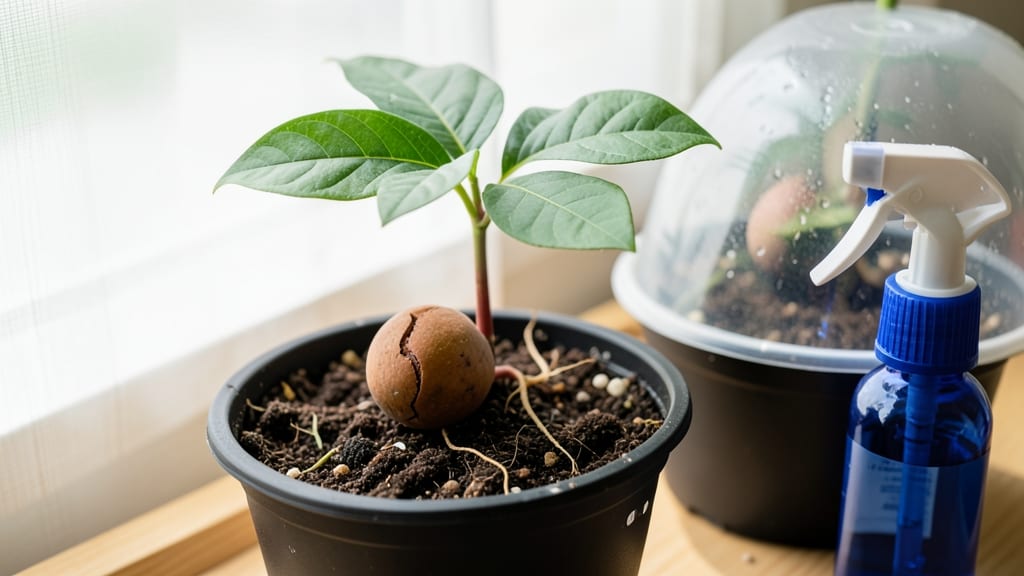
Growing a mango tree from a mango seed in your garden is the ultimate tropical adventure—just don’t expect your first fruit to taste like grocery store perfection. 🌱 The real reward is watching a 6-foot-tall plant sprout from a single pit, learning how to coax life from something that looked dead just weeks before.
I’ve grown three from seed, and while none have fruited yet, the lesson in patience and climate control alone makes it worth every bit of waiting.
The secret to success starts with the seed itself—never twist the pit to crack it open (that kills the embryo). Instead, soak it in warm water for 24 hours, then plant it just below the surface in a mix of 50% potting soil and 50% perlite.
Keep the soil moist but not soggy, and place the pot in a spot with bright, indirect light—think morning sun and afternoon shade. Germination can take 2-4 weeks, but if nothing happens after a month, start over. Patience is the name of the game here.
By the time your seedling hits 12 inches tall, you’ll know whether it’s thriving or struggling—healthy leaves should be deep green and glossy, not yellow or wilted.
This is when you’ll need to transplant it into a 5-gallon pot and move it outside (if your climate allows) for 6+ hours of sunlight daily. The first few years are all about root growth and trunk strength, not fruit.
Expect slow progress—mango trees from seed can take 5-10 years to bear fruit, but the journey is what makes it special.
Here’s the twist: even if your mango never produces fruit worth eating, you’ll have mastered tropical plant care—something that translates perfectly to other heat-loving plants like avocados, citrus, or even bananas.
Plus, the fragrant white blooms in spring are worth the wait. Ready to start your own? Grab a pit, a pot, and let’s grow something extraordinary together.
📚 In This Guide
- What you need
- Instructions
- Tips and common mistakes
- Wrapping up and next steps
What you need
- ● Mango seeds: 3–5 fresh, plump seeds (preferably from a ripe, organic mango 🍈). Pro tip: Avoid seeds from hybrid or grafted trees—they may not produce true-to-type fruit!
- ○ Potting mix: 2–3 gallons of well-draining, sterile potting soil (look for a blend labeled for seed starting or tropical plants). Optional: Mix in perlite or vermiculite (10–20%) for extra aeration.
- ● Containers: Seed-starting: 3–4 small pots (4–6 inches deep) with drainage holes.
- ● Transplanting: 1–2 larger pots (10–12 inches deep) or a garden bed in a warm, sunny spot (Zone 10+).
- ● Watering can or spray bottle: With a fine mist nozzle for gentle hydration.
- ● Plastic wrap or humidity dome: To create a mini greenhouse effect while seeds germinate.
- ● Pruning shears or knife: For carefully removing seeds from the fruit and trimming roots later.
- ● Grow lights or sunny windowsill: If your climate lacks year-round warmth (65–85°F ideal for germination).
- ● Fertilizer: Seedling stage: Balanced liquid fertilizer (5-5-5 or 10-10-10) diluted to half-strength.
- ● Mature tree: Citrus or tropical plant fertilizer (high in nitrogen, potassium, and micronutrients like magnesium).
- ● Mulch: Organic options like straw or wood chips to retain moisture in garden beds.
- ○ Support stakes or trellis: For young trees in windy areas (optional but helpful for stability).
Step-by-Step instructions for growing mango trees from seed
Here's how to turn a single seed into a thriving tropical tree with minimal fuss.
🌱 Step 1: Extract and Prepare the Seed
Start with a fresh, plump mango seed—never dried or shriveled. I like to use varieties like 'Keitt' or 'Haden' for their reliable germination. Cut the seed out of the fruit with a sharp knife, leaving a small piece of fruit attached to one end (this helps identify the top later). Rinse off any remaining pulp and let it dry for 24 hours at room temperature.
This drying step prevents mold and rot. You'll know it's ready when the seed feels firm and the outer skin looks slightly dull. Store it in a paper towel in a sealed bag in the fridge until you're ready to plant—seeds stay viable for 1-2 months this way. Real talk: Don't skip the drying step. Damp seeds rot before they sprout.
💧 Step 2: Germinate the Seed in Water
Place the dried seed in a small container with 1-2 inches of lukewarm water, ensuring only the bottom half is submerged. The seed needs consistent moisture but never full immersion. I use a clear glass so I can watch the roots develop—it's fascinating to see the first white tendrils emerge.
Change the water every 2-3 days to prevent bacterial growth. Within 2-4 weeks, you'll see roots 1-2 inches long and a tiny shoot poking from the top. This is your signal to move to soil. If the water gets cloudy or smells foul, dump it and refresh—mold will kill your seedling before it starts.
🪴 Step 3: Transplant to Soil
Fill a 4-inch diameter pot with well-draining potting mix (I blend equal parts cactus mix and perlite). Make a small hole in the center and gently place the germinated seed, ensuring the shoot points upward and the roots spread downward. Cover lightly with soil, leaving the shoot exposed.
Water gently until moisture seeps from the bottom of the pot, then place it in a warm, bright spot with indirect light—like an east-facing window. Mango seedlings hate cold drafts, so keep temperatures above 65°F. You'll see the first true leaves in 4-6 weeks. Here's the thing—don't overwater now. The soil should stay lightly moist, not soggy.
☀️ Step 4: Transition to Outdoor Conditions
Once the seedling has 4-6 true leaves and reaches 6-8 inches tall, it's time to acclimate it outdoors. Start with 1-2 hours of morning sun in a sheltered spot, gradually increasing exposure over 2 weeks. I like to use a shade cloth (50% coverage) to ease the transition.
After two weeks, move it to full sun for 4-6 hours daily, then slowly extend to full sun exposure. Watch for signs of stress—yellowing leaves mean too much sun too soon. Mango trees need full sun and warmth year-round, so if you're in a cooler climate, grow it in a container and bring it indoors during winter.
✂️ Step 5: Prune and Maintain Growth
When your mango tree reaches 2-3 feet tall, prune the top set of leaves to encourage bushier growth. Use clean, sharp scissors to make cuts just above a leaf node. This step prevents leggy growth and strengthens the stem. Fertilize lightly with a balanced 10-10-10 mix every 2 months during the growing season.
Mango trees grow slowly at first but can reach 10-15 feet tall indoors or outdoors in warm climates. You won't see fruit for 5-10 years, but the journey is rewarding. Keep the soil slightly moist, and you'll have a lush, tropical addition to your garden or home.
Tips & tricks for growing mango trees from seed
These practical insights will help you avoid common pitfalls and maximize your tropical tree's success.
Seed Selection: Choose seeds from ripe, organic mangoes whenever possible. The fruit's natural sugars and enzyme activity in organic varieties often result in faster germination. I've found that seeds from store-bought mangoes sometimes take longer to sprout—likely due to wax coatings or chemical treatments. For best results, use seeds from heirloom varieties like 'Keitt' or 'Haden' mentioned in Step 1.
Germination Environment: Maintain consistent lukewarm water (around 75-80°F) during the 2-4 week germination period in Step 2. I've discovered that using a small aquarium heater can help maintain this temperature range, especially in cooler climates. The key is keeping the water temperature slightly above room temperature—this mimics tropical conditions and speeds up root development. Never let the water temperature exceed 85°F, as this can damage delicate emerging roots.
Transplant Timing: When you see roots reach 1-2 inches in Step 2, don't rush to transplant. Allow the seedling to develop slightly longer roots (up to 3 inches) before moving to soil. This extra root growth gives your young tree a better chance to establish itself in the 4-inch pot from Step 3. I've noticed seedlings with longer initial roots show faster growth after transplanting, likely due to better nutrient absorption from the start.
Sunlight Transition: For the outdoor acclimation in Step 4, I recommend using a simple DIY shade cloth by draping lightweight fabric (like an old bedsheet) over a frame near your seedling. This creates adjustable shade coverage that you can gradually reduce over the 2-week period. The gradual transition prevents sunburn while still allowing the seedling to adapt to increasing light intensity—something I learned the hard way when my first attempt resulted in yellowing leaves.
Pro Tips for Mango Seed Grow A Garden
- These practical insights will help you avoid common pitfalls and maximize your tropical tree's success.
- Seed Selection: Choose seeds from ripe, organic mangoes whenever possible. The fruit's natural sugars and enzyme acti...
- Germination Environment: Maintain consistent lukewarm water (around 75-80°F) during the 2-4 week germination period i...
Frequently asked questions
Got questions about growing mangoes from seed? You’re not alone! Here are answers to some of the most common queries to help you grow a thriving mango garden with ease.
How long does it take for a mango seed to sprout?
A mango seed typically sprouts within 2–4 weeks if kept in warm, moist conditions. Place it in a well-draining pot with slightly damp soil and maintain a temperature of 70–85°F (21–29°C). Patience is key—some seeds may take up to 6 weeks to crack open and show signs of life!
Can I grow a mango tree from any seed, or do I need a special variety?
While you can grow a mango tree from any seed, the fruit may not match the parent tree’s quality. For better results, use seeds from ripe, organic mangoes (like Ataulfo or Tommy Atkins) and be prepared for a 5–10 year wait for edible fruit. Grafting (a more advanced technique) can speed up fruiting in desirable varieties.
How do I speed up germination for stubborn mango seeds?
If your seed isn’t sprouting, try these tricks:
- Warmth boost: Place the seed in a paper towel with a damp cloth and keep it near a sunny window or under a heat mat.
- Stratification: Refrigerate the seed for 1–2 weeks to mimic natural conditions, then replant.
- Scarification: Gently sand the seed’s hard shell to help water penetrate.
Do mango trees grown from seed need special care in pots vs. ground?
Seedlings thrive in 6–8 inch pots for their first year, but they’ll outgrow containers quickly. If planting in the ground, choose a sunny, well-draining spot with 6+ hours of sunlight daily. In pots, use a mix of potting soil + perlite and repot annually. Pro tip: Mango trees love acidic soil (pH 5.0–7.0)—test yours to avoid nutrient deficiencies!
Can I grow a mango tree indoors, or does it need outdoor conditions?
Mango trees prefer outdoor warmth (they’re tropical!) but can start indoors near a south-facing window or under grow lights. Once sprouted, move seedlings outside during spring/summer to harden them off. If you live in a cold climate, grow in containers and overwinter indoors near a sunny spot—just mimic their natural tropical habitat!
Will my homegrown mango tree produce fruit like the one I ate?
Probably not! Seed-grown mangoes often revert to wild traits, meaning smaller, less sweet fruit. For consistent quality, grafting (a horticultural technique) is the gold standard. If you’re patient, you might get lucky—but most gardeners graft desirable varieties onto seedling rootstock for reliable harvests.
Wrapping up and next steps
Growing a mango tree from seed is a rewarding journey that connects you to nature while offering the joy of nurturing life. With patience and the right techniques—like using zero-twist pods—you can cultivate a thriving garden that yields delicious fruit year-round. 🌱
Now that you’re armed with the knowledge, take the first step today! Start with a single seed, follow the steps, and watch your garden transform. Whether you’re a beginner or a seasoned gardener, every seed planted is a promise of sweet rewards ahead. Happy growing! 🌟