
Propagation
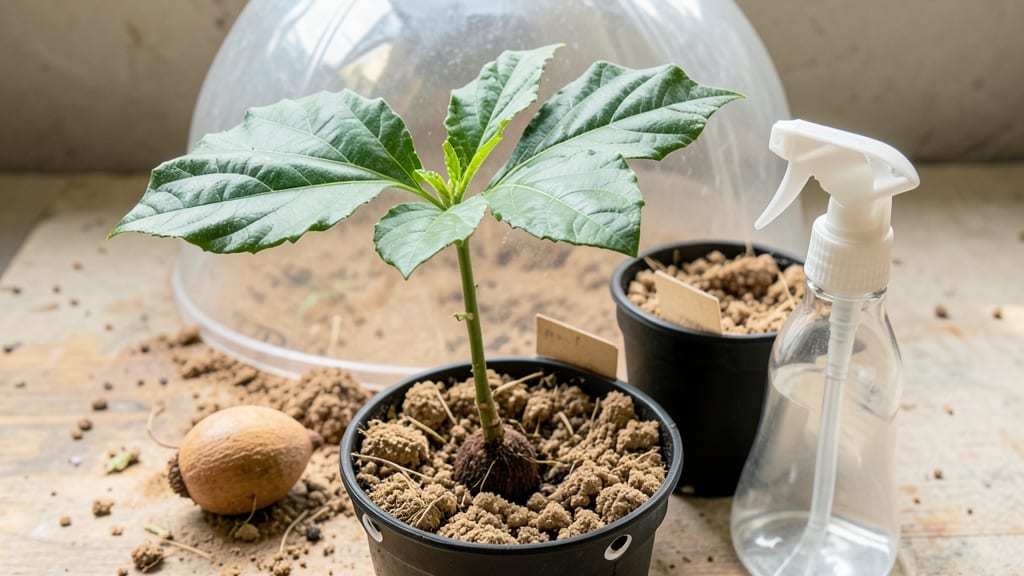
Jackfruit seed germination unlocks a tropical tree that thrives in heat and humidity—and it starts with a warm, moist soak. 🌱 I’ve watched these seeds break dormancy in just 21 days when given the right conditions, and the first green shoot is always a thrilling sight. The key lies in mimicking their natural tropical environment right from the start.
You’ll need just a few supplies: fresh seeds (the bigger, the better), a warm spot, and a way to keep them consistently moist without drowning them. Scarification—lightly sanding the seed coat—speeds things up by breaking dormancy, while a 75-85°F temperature range mimics their jungle origins.
Most gardeners skip this step and still get results, but I’ve found it cuts germination time by nearly half.
Within three weeks, you’ll see those first pale green sprouts pushing through the soil, signaling success. The seedlings grow fast once established, and with proper care, they’ll reward you with fragrant flowers and edible fruit in just a few years.
The real magic happens when you transplant them outdoors after the last frost—watch them stretch toward the sun with astonishing speed.
Fair warning: Jackfruit seeds can be finicky about moisture—overwatering is the #1 killer. Let the top inch of soil dry between waterings, and keep them in bright, indirect light until they’re ready for their forever home. Once you’ve mastered this, you’ll be hooked on growing other tropical treasures too.
📚 In This Guide
- What you need
- Instructions
- Tips and common mistakes
- Wrapping up and next steps
What you need
- ● Jackfruit seeds: 5–10 fresh, plump seeds (harvested within 2–3 days of fruit ripening for best results).
- ● Germination container: Small seedling trays (with drainage holes) or
- ● A plastic bag with a twist tie (for the "wet paper towel" method).
- ● Growing medium: Well-draining potting mix (e.g., coco coir + perlite in a 50/50 ratio) or
- ● A damp paper towel (for pre-sprouting).
- ● Water: Room-temperature, dechlorinated water (rainwater or filtered).
- ● Spray bottle: 8–16 oz, for gentle misting.
- ● Heat source: Seedling heat mat (70–90°F) or
- ● A warm spot near a sunny window or grow light.
- ○ Humidity dome or plastic wrap: To retain moisture (optional but helpful).
- ● Seedling labels: To track planting dates.
- ● Fungicide: Mild solution (e.g., hydrogen peroxide 3%) to prevent mold.
- ● Grow light: LED or fluorescent (12–16 hours/day) for faster sprouting.
- ● Transplant pots: 4–6 inch pots with drainage holes (for seedlings).
- ● pH meter: To test soil pH (ideal range: 5.5–6.5).
Step-by-step instructions for germinating jackfruit seeds
Here’s how to coax those stubborn jackfruit seeds into sprouts—no fancy equipment needed.
🌱 Step 1: Extract and Soak the Seeds
Crack open the jackfruit to reveal the large, brown seeds inside. Remove any remaining pulp, then rinse them under cool water to clean off residue. The key here is preparation—jackfruit seeds have a thick outer shell that needs softening before germination. Place them in a bowl of lukewarm water for 24-48 hours, changing the water every 12 hours to prevent mold.
You’ll know they’re ready when the water stays clear (not cloudy) and the seeds feel slightly softer to the touch. If you skip this step, germination can take weeks longer—or fail entirely. I like to soak them on a windowsill where they can get indirect light without drying out.
💧 Step 2: Prepare the Germination Container
Fill a shallow container—like a seed tray or even a repurposed plastic lid—with a mix of 50% peat moss and 50% perlite. This lightweight blend drains well but holds enough moisture to keep seeds happy. Moisten the mix until it’s damp like a wrung-out sponge, then spread it evenly in the container.
Press the soaked seeds ½ inch deep into the mix, spacing them about 2 inches apart. Jackfruit seeds are big, so crowding them leads to weak, tangled roots later. Gently pat the soil around them to ensure good contact—this helps the seedling anchor itself once it breaks through.
☀️ Step 3: Create a Warm, Humid Environment
Jackfruit seeds need warmth to germinate, so place the container in a spot with 75-85°F temperatures—think atop a refrigerator or near a sunny window (but not in direct sun yet). Cover the container loosely with plastic wrap or a humidity dome to trap moisture. Check daily for condensation; if the plastic fogs up, lift it briefly to let excess moisture escape.
Germination usually takes 2-3 weeks, but patience is key. You’ll see the first sign—a tiny white root pushing through the soil—followed by a curled shoot emerging from the seed. Keep the soil consistently moist (not soggy) during this time. If the top layer dries out, mist it lightly with water.
🪴 Step 4: Transplant Seedlings to Individual Pots
Once the seedlings reach 3-4 inches tall and develop their first true leaves (not the initial seed leaves), it’s time to repot. Fill 4-inch pots with a well-draining potting mix—jackfruit seedlings hate soggy roots. Gently remove the seedling from the germination tray, keeping the root ball intact. Place it in the pot, burying up to the first set of true leaves.
Water lightly after transplanting to settle the soil, then place the pots in bright, indirect light. Avoid direct sun at first—young jackfruit seedlings can scorch easily. Within a few weeks, you’ll notice new growth as the plant adjusts to its new home. This is the stage where most people give up, but stick with it—jackfruit trees are worth the wait!
⏰ Step 5: Gradually Acclimate to Outdoor Conditions
After 4-6 weeks in pots, your seedlings should be ready for outdoor life. Start by placing them in a sheltered spot (like a porch or patio) for 2-3 hours daily, gradually increasing their time outside over 10-14 days. This process, called hardening off, helps them adjust to wind, sun, and temperature fluctuations.
Once they’re spending full days outside without wilting, you can plant them in the ground (if you’re in a tropical or subtropical zone) or keep them in containers. Jackfruit trees thrive in USDA zones 10-11, but with care, you can grow them in pots and bring them indoors during winter. Watch for new leaves and steady growth—those are your signs of success!
Tips & tricks for perfect jackfruit seed germination
These little-known tricks will help you turn stubborn jackfruit seeds into thriving sprouts with confidence.
The Soak Test: After your 24-48 hour soak, drop a seed into a glass of fresh water. If it sinks immediately, it's ready to plant—this means the shell has softened enough for roots to break through. If it floats, give it another 12 hours of soaking. I learned this the hard way after planting seeds that weren't quite ready, which delayed germination by nearly a week.
Temperature Matters: That 75-85°F range is non-negotiable for jackfruit seeds. If your home runs cooler, place the container on top of your refrigerator (not inside!) or use a seedling heat mat set to low. I keep mine near a sunny window but never in direct sun—those seeds need warmth more than light at this stage. A simple laser thermometer helps monitor the exact temperature without touching the container.
Root Check: When you see that first white root push through the soil, don't be tempted to transplant immediately. Wait until you see the curled shoot emerge—this usually takes 3-5 days after root appearance. The shoot signals the seedling has enough energy reserves to handle the stress of repotting. I mark the soil level with a toothpick when planting to track growth progress.
Transplant Timing: The 3-4 inch height guideline in Step 4 gives you a little flexibility—look for the first set of true leaves (they'll be smaller than the initial seed leaves) rather than just measuring height. These true leaves indicate the seedling has developed its photosynthetic machinery. I've found that seedlings with 2-3 true leaves handle transplanting better than those with just one.
Pro Tips for Jackfruit Seed Germination
- These little-known tricks will help you turn stubborn jackfruit seeds into thriving sprouts with confidence.
- The Soak Test: After your 24-48 hour soak, drop a seed into a glass of fresh water.
- Temperature Matters: That 75-85°F range is non-negotiable for jackfruit seeds.
Frequently asked questions
about jackfruit seed germination—because even the most patient gardeners have doubts! Here are answers to the most common queries to help you grow those tropical sprouts with confidence.How long does it really take for jackfruit seeds to germinate?
Most jackfruit seeds sprout within 7–21 days when kept in warm, moist conditions (70–85°F). Some may take up to 30 days—patience is key! If no sprouts appear after 4 weeks, the seed may be non-viable or need a slightly warmer spot (try a seedling heat mat).
What if my seeds rot instead of sprouting?
Overwatering or poor drainage causes rot—drainage is critical! Use a well-aerated mix (like coconut coir + perlite) and plant seeds at a 1-inch depth. If you see mold or a foul smell, remove the seed, let it dry for a day, and replant in fresh, sterile soil. Pro tip: Mist lightly (don’t soak) and keep humidity high with a plastic cover.
Can I germinate jackfruit seeds in water instead of soil?
Yes! Many gardeners pre-sprout seeds in water for 3–5 days to speed up germination. Place seeds in a jar with 1 inch of water, change it daily, and keep in warm light. Once a ¼-inch sprout appears, transfer to soil. Warning: Seeds left too long in water may rot—soil is safer for long-term growth.
Do jackfruit seeds need light to germinate?
Nope! Seeds germinate best in darkness—light comes later. Keep them covered (with soil or a damp paper towel) until sprouts emerge. Once they break the surface, move them to bright, indirect light (like a sunny windowsill) to prevent leggy seedlings. Fun fact: Jackfruit seedlings love humidity—group them together or use a humidity dome!
What’s the best way to transplant seedlings?
Wait until seedlings have 2–3 true leaves (not just the first sprout) and are 3–4 inches tall. Gently remove them from their starter pot, loosen roots, and plant in well-draining soil (a mix of potting soil + compost works). Water lightly and avoid direct sun for 1 week to reduce transplant shock. Pro tip: Harden off seedlings by gradually exposing them to outdoor conditions over 5–7 days.
Why did my jackfruit seed sprout but then die?
Common culprits: overwatering, temperature swings, or nutrient deficiency. Ensure consistent warmth (70–85°F), water only when the top inch of soil is dry, and use a balanced fertilizer (like 10-10-10) once leaves appear. If leaves yellow, it’s often overwatering; if they wilt, it’s usually underwatering. Troubleshoot: Check roots for rot and adjust care immediately.
Wrapping up and next steps
Germinating jackfruit seeds is a rewarding journey that unlocks the potential of this tropical giant—right from your kitchen! With the right warmth, patience, and care, you’ll watch those seeds sprout into vibrant seedlings in just 21 days.
Whether you’re a gardening novice or a seasoned green thumb, this process is your ticket to growing your own jackfruit tree or even experimenting with edible sprouts.
Ready to take the next step? Start small: Try germinating a few seeds in a cozy, humid spot, and let your curiosity grow! 🌱 Who knows—you might just cultivate a future harvest (or a unique houseplant) from those tiny, mighty seeds.