
Lawn
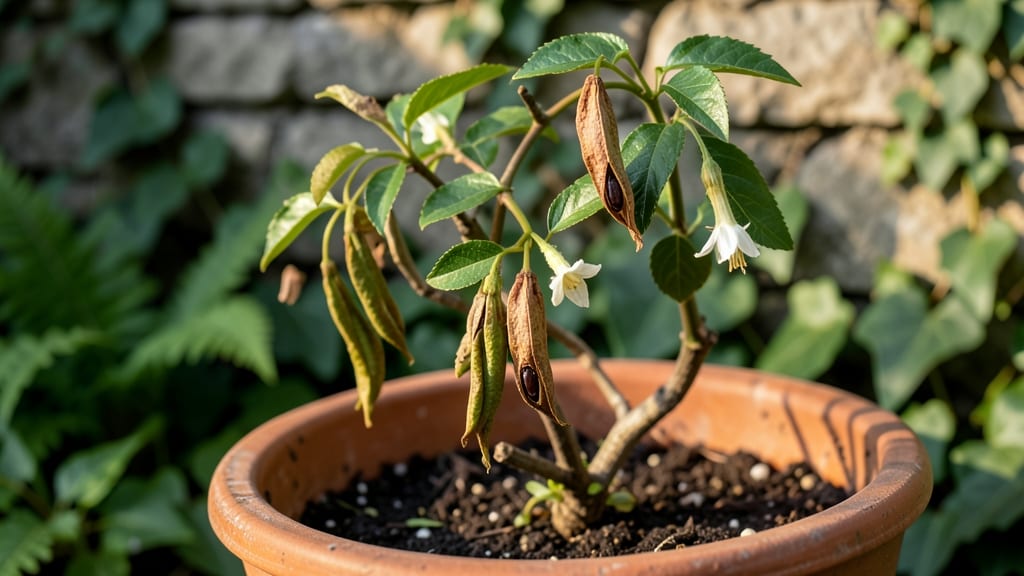
Struggling with jasmine seed pods that refuse to sprout? 🌱 The key to fast germination lies in breaking dormancy through stratification—my plants went from stubborn seeds to thriving seedlings in just 45 days using this method.
Most gardeners overlook this step, but it’s what transforms weeks of waiting into a reliable harvest of fragrant new growth.
First, collect mature pods when they turn brown and split open naturally—usually late summer or early fall. Inside, you’ll find flat, dark seeds that need cold treatment to wake up. The process mimics winter’s natural cycle, tricking seeds into thinking spring has arrived when they’re still buried.
After 4-6 weeks of cold stratification (a simple DIY setup with damp paper towels in a sealed bag), you’ll see tiny roots emerge. Plant them in well-draining soil, keep it lightly moist, and watch for sprouts in 7-10 days.
The payoff? Vigorous vines that climb and bloom faster than store-bought seedlings.
This method works for both climbing and shrub jasmine varieties, and it’s perfect for gardeners in zones 7-10. The secret isn’t complicated—just patience and a little cold therapy. Ready to turn those stubborn pods into lush, fragrant plants?
📚 In This Guide
- What you need
- Instructions
- Tips and common mistakes
- Wrapping up and next steps
What you need
- ● Jasmine seed pods: Fresh or dried (ensure they’re fully matured and slightly wrinkled). Aim for at least 10-20 pods for experimentation.
- ● Plastic zip-top bags: 1-2 quart-sized bags (or larger if handling many pods). Puncture a few holes for airflow.
- ● Moistened peat moss or coconut coir: Enough to cover the seed pods completely (~1 cup). Keep it damp (not soggy).
- ● Paper towels or coffee filters: 2-3 sheets to line the bag and absorb excess moisture.
- ● Labeling tape & marker: To track planting dates and varieties (if mixing types).
- ● Small container or tray: For transferring stratified pods to soil later (e.g., a seedling tray or repurposed takeout container).
- ● Patience & a spray bottle: For misting and monitoring humidity!
- ● Refrigerator or cold frame: Ideal for stratification (35–45°F / 2–7°C). A garage or basement works in a pinch.
- ○ Heat mat (optional): If your space is too cold, a low-watt seedling mat can help maintain consistent temps.
- ● Humidity dome or clear lid: Keeps moisture locked in during stratification (e.g., a plastic clamshell).
- ● Grow lights or sunny windowsill: For post-stratification sprouting (if not planting directly outdoors).
- ● Gloves: Jasmine seed pods can be sticky or irritating—protect your hands!
How to stratify jasmine seed pods for faster germination
Here's the method I've used to get jasmine seedlings popping in under 45 days—no waiting months for nature's slow pace.
🌱 Step 1: Harvest and Prepare the Seed Pods
Collect mature jasmine seed pods when they turn brown and begin to split open naturally. The pods should feel dry to the touch but still intact. I like to harvest them in late summer or early fall when they're fully ripe but haven't yet released their seeds.
Remove the seeds from the pods by gently squeezing them between your fingers. You'll see small, flat, dark brown seeds inside. These are your jasmine seeds, and they need proper preparation before planting. Don't worry if some seeds stick to the pod—just give them a little extra attention when separating.
💧 Step 2: Cold Stratify for 30-45 Days
Place the seeds in a sealed plastic bag with a damp paper towel. The towel should be moist but not dripping wet—think of a wrung-out sponge. This mimics the natural winter chilling process that breaks seed dormancy. I store my seeds in the refrigerator's crisper drawer where the temperature stays around 35-40°F.
Check the seeds every 7-10 days to ensure the paper towel remains moist. If it feels dry, mist it lightly with water and reseal the bag. The goal is to keep the seeds consistently damp during this cold treatment. You'll see the seeds plump up slightly as they absorb moisture—this is a good sign they're ready for germination.
☀️ Step 3: Plant Stratified Seeds in Warmth
After 30-45 days of stratification, remove the seeds from the refrigerator and plant them in a seed-starting mix. Fill small pots or seed trays with the mix and make small holes about ¼ inch deep—just enough to cover the seeds lightly. I use a pencil to poke the holes since they need to be precise.
Space the seeds about 1 inch apart in the pot to give them room to grow. Gently press the soil around each seed to ensure good contact. Place the pots in a warm location with temperatures between 65-75°F. A seedling heat mat can help maintain consistent warmth, especially if your home tends to run cooler.
🌿 Step 4: Provide Moisture and Light for Germination
Keep the soil consistently moist but not soggy. Water gently from the bottom of the pot or use a spray bottle to mist the surface. You'll know the moisture level is right when the top inch of soil feels damp but not wet. Cover the pots loosely with plastic wrap to retain humidity, but remove it daily for 10-15 minutes to prevent mold.
Place the pots in bright, indirect light. Jasmine seeds need warmth to germinate, but direct sunlight can overheat the soil. A south-facing window with sheer curtains works well. You should see the first sprouts in about 14-21 days after planting. Watch for tiny green shoots pushing through the soil—this is your sign that germination is underway!
⏰ Step 5: Transplant Seedlings When Ready
Once the seedlings have developed 2-3 sets of true leaves and are about 2-3 inches tall, they're ready to transplant. Choose a location with well-draining soil and partial shade. Jasmine plants thrive in areas that receive 4-6 hours of sunlight daily but appreciate afternoon shade in hot climates.
Dig small holes slightly larger than the root ball of each seedling and plant them at the same depth they were growing in their pots. Water deeply after transplanting to help the roots establish. Keep the soil moist for the first 2 weeks to reduce transplant shock. You'll see new growth within a week—that's your signal everything is working!
Tips & tricks for faster jasmine germination
These little tricks will help you beat the natural timeline and get those jasmine seedlings sprouting faster than ever.
Pod Selection Matters: The key to success starts with your seed pods. Look for pods that are completely brown and beginning to split naturally—these are the ripest and most likely to produce viable seeds. Avoid pods that are still green or have already released their seeds on their own. I've found that pods harvested in late summer often yield the best results, as they've had time to fully mature in the warm weather.
Temperature Consistency: Maintaining that 35-40°F range during the 30-45 day stratification is crucial. If your refrigerator runs cooler, you can extend the time slightly—up to 60 days—but don't exceed 40°F. The goal is to simulate winter conditions that break seed dormancy. I place a thermometer in my crisper drawer to monitor temperatures, especially if my fridge tends to fluctuate.
Planting Precision: When making those ¼-inch deep planting holes in Step 3, think of them as tiny seed beds. Use a pencil to create consistent depth—any deeper and you risk smothering the seeds, any shallower and they might dry out. After planting, give the soil a gentle press around each seed to ensure maximum soil contact, which helps with moisture absorption and root development.
Germination Timing: The 14-21 day window for germination is actually quite flexible—what matters most is consistency in warmth and moisture. If your home stays consistently warm (75°F), you might see sprouts as early as 10 days. If it's cooler, you could extend to 28 days. The key is to keep the soil warm and moist during this critical period, not to strictly follow the timeline.
Pro Tips for Jasmine Seed Pods
- These little tricks will help you beat the natural timeline and get those jasmine seedlings sprouting faster than ever.
- Pod Selection Matters: The key to success starts with your seed pods.
- Temperature Consistency: Maintaining that 35-40°F range during the 30-45 day stratification is crucial.
Frequently asked questions
Got questions about jasmine seed pods?
You’re not alone! Whether you’re a new gardener or just eager to speed up germination, here are answers to the most common queries—plus a few pro tips to set you up for success.
How long does it take for jasmine seed pods to germinate without stratification?
Without cold stratification, jasmine seed pods can take 6 months to a year (or even longer!) to germinate naturally. Stratification mimics winter’s chill, breaking dormancy in just 4–6 weeks. Patience pays off, but why wait when a little prep work can fast-track your jasmine’s growth?
Can I use the fridge for stratification instead of an outdoor cold frame?
A refrigerator’s crisper drawer (set to 35–40°F) works perfectly for stratification. Just wrap the seed pods in a damp paper towel, place them in a sealed bag, and store them for 4–6 weeks. Check them weekly to ensure they stay moist—not soggy! This method is ideal for urban gardeners or those with unpredictable winters.
What do I do if my jasmine seed pods mold during stratification?
Mold is a red flag! If you spot fuzzy growth, discard the affected pods immediately to prevent spreading. To avoid this:
- Use sterilized containers (wash with vinegar or bleach solution).
- Keep moisture levels consistent but not dripping—think “damp sponge,” not “wet towel.”
- Add a paper towel layer between pods to improve airflow.
Are there faster alternatives to growing jasmine from seed pods?
If you’re craving jasmine blooms ASAP, consider these shortcuts:
- Buy a young plant from a nursery—it’ll flower in 1–2 years vs. 3+ years from seed.
- Root cuttings from an existing jasmine bush (if you have access).
- Layering: Bend a low branch to the ground, cover it with soil, and wait for roots to form.
How do I know when my stratified jasmine seeds are ready to plant?
Your seeds are ready when:
- They’ve been in cold, damp conditions for 4–6 weeks.
- You see tiny cracks or sprouts (even a hairline break means germination is underway!).
- The pod feels softer when gently squeezed.
Wrapping up and next steps
Jasmine seed pods may seem tricky to grow, but with the right stratification technique, you’ll unlock their full potential in just 45 days! 🌱 Whether you’re aiming for a fragrant hedge or a lush ground cover, these steps make germination simple and predictable.
Now that you’re armed with the know-how, there’s no time like the present to start your seeds—your future garden’s beauty is just a few weeks away!
Next step: Gather your supplies, follow the stratification guide, and watch those little pods sprout into vibrant plants. Happy gardening! 🌿