
Propagation
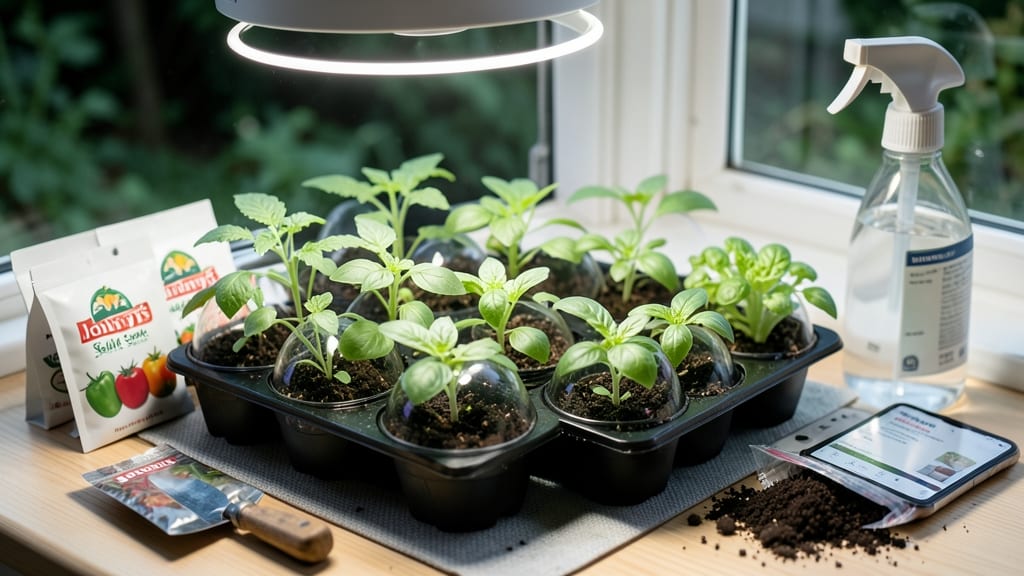
Calculating perfect seed-starting dates used to mean flipping through almanacs and guessing—until now. 🌱 The Johnny Seeds calculator takes your last frost date, seed type, and growing zone to spit out exact planting windows that guarantee strong, healthy seedlings ready when the weather cooperates.
You’ll plug in just three key details: your average last frost date, the plant’s days to maturity, and how many weeks it needs to germinate. For tomatoes, that’s 8-10 weeks before transplanting; for peppers, 10-12 weeks.
The calculator handles the math so you don’t have to remember complex charts or risk starting too early (etiolated seedlings) or too late (missed season). What you end up with is a foolproof schedule that prevents overcrowding, ensures proper light exposure, and matches your garden’s timeline.
No more guessing whether your seedlings will be ready—or if you’ll have to buy replacements at the last minute. Works for every plant in your garden, from leafy greens to tomatoes, and adapts to your specific climate. Here’s how to use it like a pro!
📚 In This Guide
- What you need
- Instructions
- Tips and common mistakes
- Wrapping up and next steps
What you need
- ● Johnny Seeds Seed Starting Calculator (accessible online or via their app)
- ● High-quality seeds (Johnny Seeds varieties or trusted suppliers—check seed packets for specific light/temperature needs)
- ● Seed starting trays (biodegradable or plastic, 72–200 cell count; recommended: 72–128 cells for precision)
- ● Seed starting mix (sterile, well-draining blend; avoid garden soil—look for coconut coir or peat-based mixes)
- ○ Grow lights or a sunny windowsill (LED grow lights with 12–16 hours of light/day; optional but critical for indoor starts)
- ● Misting bottle or spray nozzle (for gentle watering to avoid disturbing seeds)
- ○ Heat mat (optional but helpful) (70–75°F for warm-season crops like tomatoes/peppers)
- ● Humidity dome or plastic wrap (to retain moisture until germination)
- ● Notebook or digital tracker (to log planting dates, varieties, and progress)
- ● pH testing kit (to ensure seed mix is in the ideal 5.8–6.5 range)
- ● Bottom watering tray (keeps roots hydrated without overwatering)
- ● Fertilizer (low-dose) (balanced 5-5-5 or organic options like fish emulsion—wait until seedlings have 2+ true leaves)
- ● Seedling heaters or fans (for temperature/humidity control in tricky climates)
- ● Labeling system (toed tags, popsicle sticks, or a whiteboard for tracking varieties)
Instructions: how to use the johnny seeds seed starting calculator
Here’s how to turn climate data into perfect planting dates—no guesswork, just results.
🌱 Step 1: Gather Your Climate and Planting Data
Start by identifying your USDA hardiness zone and average last frost date for spring and first frost date for fall. Johnny Seeds’ calculator uses these to determine ideal transplant windows. If you’re unsure, check the NOAA website or ask your local cooperative extension office—this is the foundation of your timing.
Next, note your plant’s days to maturity (from seed to harvest) and days to transplant (typically 4-6 weeks). For example, tomatoes take 70-85 days to mature but need 6-8 weeks indoors before going outside. Write these down—they’re your anchor points for calculations.
☀️ Step 2: Input Your Seed Variety and Growth Requirements
Enter your seed variety into the calculator, then select its light requirements (full sun, partial shade, etc.) and temperature preferences. Some seeds, like peppers, need 75-85°F soil to germinate, while others, like lettuce, prefer cooler 60-70°F. The calculator adjusts your starting window based on these needs—skipping this step risks weak seedlings or failed germination.
For cool-season crops (spinach, kale), you’ll often start seeds 6-8 weeks before last frost and transplant immediately. Warm-season crops (tomatoes, peppers) need to wait until soil warms to 60°F+—the calculator factors this in by suggesting staggered planting dates for succession crops.
⏰ Step 3: Calculate Your Optimal Starting Window
The calculator’s magic happens here. Input your last frost date and the calculator backtracks to show your ideal indoor starting window. For example, if your last frost is May 15 and your tomatoes need 85 days to maturity with 6 weeks indoors, it’ll tell you to start seeds between March 15 and April 1. This ensures your plants mature before heat waves or pests strike.
Pay attention to the “transplant date” column—this is when your seedlings should be hardened off and moved outside. If your zone has unpredictable weather, the calculator also flags “safe zones” (a 10-day window before/after the ideal date) to account for delays.
🌿 Step 4: Adjust for Your Growing Conditions
Now, tweak the calculator’s suggestions based on your setup. If you’re using a grow light instead of natural light, your seedlings may grow faster—adjust the “days to transplant” downward by 1-2 weeks. Conversely, if your home runs cooler than 65°F, germination could take longer, so start seeds 2-3 weeks earlier.
For containers, the calculator assumes standard 2-3 inch deep cells. If you’re using larger pots (like 5-gallon buckets), seedlings will need 1-2 extra weeks indoors before transplanting—note this in the “custom notes” field to avoid overcrowding later.
✂️ Step 5: Plan Your Succession Plantings
Most vegetables benefit from 2-3 staggered plantings spaced 2-3 weeks apart. Use the calculator to generate multiple starting dates for the same crop—this extends your harvest window. For instance, if your zone allows two tomato batches, the calculator might suggest starting seeds on March 15, April 1, and April 15 for a continuous supply.
For leafy greens (lettuce, spinach), which bolt in heat, the calculator can map out a fall planting schedule too. Input your first frost date and it’ll show when to start seeds for a 60-day harvest before cold sets in. This is how you avoid summer gaps in your harvest calendar.
Tips & tricks for perfect seed starting timing
These precision-focused tips will help you maximize the Johnny Seeds calculator's potential and avoid common seed-starting pitfalls.
Temperature Precision: The calculator's soil temperature recommendations (like 60°F+ for warm-season crops) are non-negotiable for germination success. Use a soil thermometer to verify conditions—especially in early spring when ground temps lag behind air temps. I've seen pepper seeds fail to germinate because the soil was only 55°F when the calculator suggested planting. For cool-season crops, maintain 60-70°F daytime temps and 50-55°F nights for optimal growth rates.
Lighting Strategy: When adjusting transplant timing for grow lights (reducing by 1-2 weeks as mentioned), position lights 2-3 inches above seedlings and provide 14-16 hours of light daily. Use a timer to automate this—seedlings grown under inconsistent light develop leggy, weak stems that struggle to support themselves after transplanting. I learned this the hard way with my first batch of basil seedlings that flopped over like drunkards!
Container Depth Matters: The calculator's assumption of 2-3 inch deep cells works for most seedlings, but root crops like carrots and beets need 6+ inch deep containers to develop properly. For these, adjust your transplant timing by adding 1-2 extra weeks indoors—deeper containers mean slower root development initially. Mark your containers with the plant type to avoid confusion during succession plantings.
Hardening Off Hack: The calculator's transplant dates assume you'll harden off seedlings for 7-10 days before moving them outside. Start this process by placing seedlings in a sheltered outdoor spot for 2 hours daily, gradually increasing exposure. Use a shade cloth if your zone experiences sudden temperature swings—this prevents transplant shock that can set back your entire growing season. I've seen gardeners skip this step and lose 30% of their seedlings to stress-related wilting.
Pro Tips for Johnny Seeds Seed Starting Calculator
- These precision-focused tips will help you maximize the Johnny Seeds calculator's potential and avoid common seed-starting pitfalls.
- Temperature Precision: The calculator's soil temperature recommendations (like 60°F+ for warm-season crops) are non-negotiable for germination success.
- Lighting Strategy: When adjusting transplant timing for grow lights (reducing by 1-2 weeks as mentioned), position lights 2-3 inches above seedlings and provide 14-16 hours of light daily.
Frequently asked questions
What’s the best time to start seeds indoors using the Johnny Seeds calculator?
The Johnny Seeds calculator accounts for your last frost date and seed maturity time to suggest optimal start dates. For most cool-season crops (like lettuce or peas), start 6-8 weeks before the last frost. Warm-season plants (tomatoes, peppers) need 8-12 weeks indoors. Adjust for your local microclimate—high-altitude areas may need earlier starts!
Can I use this calculator for outdoor direct sowing?
Yes! The Johnny Seeds calculator includes options for direct sowing dates based on soil temperature and seed hardiness. Select “Direct Sow” in the tool, and it’ll recommend planting windows for crops like beans, carrots, or radishes. Pro tip: Check soil temps with a thermometer—some seeds (like peas) need cooler soil!
What if my seeds don’t germinate after using the calculator’s timeline?
First, check seed viability—test a few in damp paper towels for 5–7 days. If they’re good but still failing, troubleshoot:
- Moisture: Keep soil consistently damp (not soggy).
- Temperature: Most seeds need 65–75°F for germination.
- Light: Some seeds (like tomatoes) need light immediately after sprouting.
- Depth: Plant too deep? Adjust—tiny seeds (like basil) only need ¼-inch coverage.
How does altitude affect seed starting dates?
Higher elevations (e.g., 3,000+ ft) often have shorter growing seasons, so the calculator automatically adjusts for your ZIP code. However, for extreme cases, start seeds 2–4 weeks earlier than recommended. Use a grow light to extend daylight hours if needed—this mimics longer spring days!
Are there free alternatives to Johnny Seeds’ calculator?
Yes! Free tools like the Old Farmer’s Almanac Seed Starting Guide or Burpee’s Seed Starting Calculator offer similar features. For hyper-local precision, try:
- Local Cooperative Extension offices (they provide frost-date data).
- Plant maps from seed companies (e.g., Seed Savers Exchange).
- Community forums (like GardenWeb) for regional tips.
Wrapping up and next steps
Ready to transform your gardening game? The Johnny Seeds Seed Starting Calculator is your secret weapon for timing plantings like a pro—no guesswork, just thriving gardens! 🌱 With precise climate-based data and easy customization, you’re set to grow stronger, healthier plants year after year.
Now that you’re armed with the knowledge, take the next step: plug in your location and favorite seeds, then start planting with confidence. Happy growing—your future harvest is waiting! 🌞