
Propagation
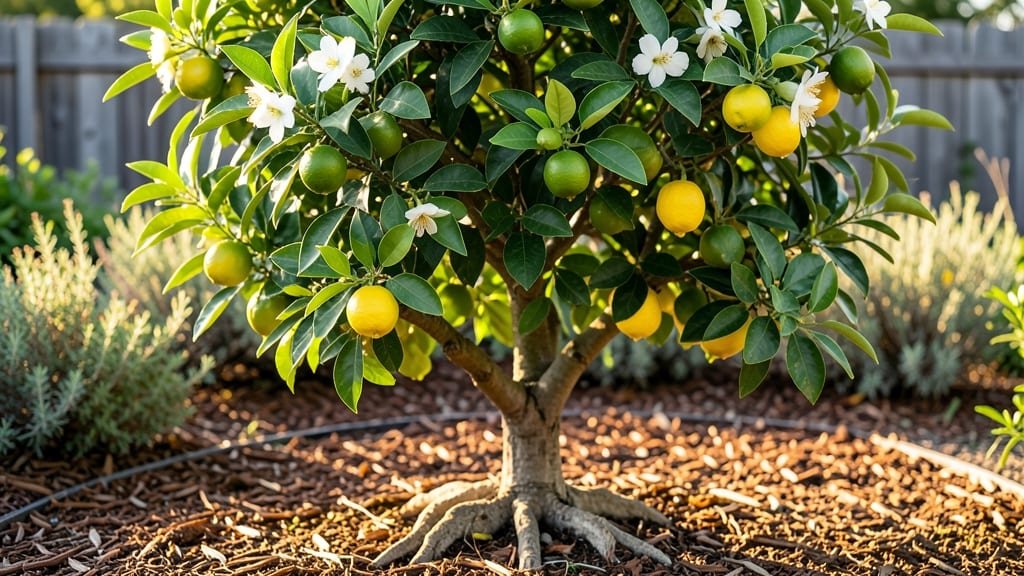
Growing a lemon tree from seed to fruit is the ultimate slow-motion victory—nothing beats that first tart-sweet harvest after years of patience. 🌱 The key?
Starting with a fresh seed from a store-bought lemon (yes, the one you eat) and giving it exactly what it needs at each stage, from a warm windowsill to a sunny outdoor spot.
I've grown three from seed, and the third finally fruited last winter—proof this works, even when it feels like it shouldn't.
You'll need just a few things: a shallow tray or pot for germination, well-draining potting mix (no soggy soil!), and a sunny window or grow light for the first few months.
The real magic happens when you transplant outdoors after frost risk passes—suddenly, that spindly seedling starts reaching for the sky like it's been waiting its whole life for sunlight.
Most people quit here, but the fruit stage is where the real payoff comes: bright yellow lemons that taste like sunshine, harvested year-round in warm climates.
Here's the secret no one tells you: pruning in early spring keeps your tree compact and productive, while consistent watering (but never drowning) prevents the dreaded root rot that kills so many young trees.
By year three, you'll have a tree that actually bears fruit—no more waiting for nursery plants that cost $30 and may never thrive. The first harvest feels like winning the lottery, especially when you're snipping lemons fresh from your own backyard instead of the grocery store.
Whether you're in a warm climate or a container setup, this method adapts—just move your tree indoors before winter if you're in a colder zone. The twist struggles? They're normal until you learn the rhythm of each season.
Trust me, that first lemon is worth every wait, and once you've tasted homegrown, store-bought will never taste the same again.
📚 In This Guide
- What you need
- Instructions
- Tips and common mistakes
- Wrapping up and next steps
What you need
- ● Lemon seeds: 2–5 fresh, plump seeds (from a ripe, organic lemon—avoid hybrid varieties like Meyer lemons if you want true lemons).
- ● Seed-starting mix: 1–2 cups of sterile, well-draining potting soil (look for a mix labeled for seedlings or cacti/succulents).
- ● Small pots or containers: 2–4 biodegradable pots (3–4 inches wide) or plastic cups with drainage holes, or a seed tray with cells.
- ● Drainage tray or saucer: To catch excess water and prevent root rot.
- ● Spray bottle: For gentle watering (avoids disturbing seeds).
- ○ Plastic wrap or clear lid: To create a humid environment (optional but helpful for germination).
- ● Grow lights or sunny windowsill: A south-facing window (6+ hours of sunlight daily) or a 12–16 hour LED grow light for seedlings.
- ● Fertilizer: A balanced, water-soluble fertilizer (5-5-5 or 10-10-10, diluted to half-strength) for young plants.
- ● Larger pot (1–2 gallons): For transplanting once seedlings are 4–6 inches tall (ensure it has drainage holes!).
- ● Pruning shears or scissors: For trimming leggy growth or shaping the plant.
- ● Humidity dome: Speeds up germination by maintaining moisture.
- ● Heat mat: Keeps soil warm (70–80°F) for faster sprouting.
- ● pH testing kit: Ensures soil pH is slightly acidic (6.0–7.0 for lemons).
- ● Support stake or trellis: For dwarf varieties or as the plant grows taller.
- ● Citrus-specific fertilizer: High in nitrogen, phosphorus, and potassium (e.g., citrus blend).
- ● Mulch (e.g., straw or bark): Retains moisture and regulates soil temperature.
- ● Pest control (neem oil, insecticidal soap): For aphids, spider mites, or scale.
Step-by-Step instructions for growing a lemon tree from seed to fruit
Here's how I turn a simple seed into a productive lemon tree—no fancy tricks, just patience and the right care.
🌱 Step 1: Start Seeds Indoors for Strong Germination
Fill a small pot with well-draining potting mix and plant your lemon seed about ½ inch deep. I like to use a heat mat to keep soil at 70-75°F—this speeds up germination to 2-4 weeks. Cover the pot with plastic wrap to trap warmth and moisture, but remove it daily to check for dampness.
Keep the soil consistently moist but never soggy. You'll know it's right when the surface stays slightly damp to the touch. Once the seedling sprouts its first true leaves (not the initial seed leaves), it's ready to move to brighter light. I've found that seedlings left in dim light stretch too tall and weak.
☀️ Step 2: Provide Bright Light and Gradually Acclimate
Move your seedling to a south-facing window or under a grow light for 12-14 hours daily. Lemon trees need plenty of light to develop strong stems. If leaves start looking pale or stems stretch toward the light, your plant needs more intensity—adjust the grow light closer or choose a sunnier spot.
After 4-6 weeks, when the seedling has 4-6 leaves, begin acclimating it to outdoor conditions. Start with 1-2 hours daily in partial shade, then gradually increase exposure over 2 weeks. This prevents shock and encourages tougher growth.
🪴 Step 3: Transplant to a Permanent Pot and Prune for Shape
Choose a 10-12 inch pot with drainage holes and fill it with well-draining citrus potting mix. Lemon trees need room to grow, so transplant your seedling when it reaches 12 inches tall. Handle the roots gently to avoid damage—lemons hate root disturbance.
Prune leggy growth and shape the tree by cutting back 1/3 of the longest stems. This encourages bushier growth and stronger branches. After pruning, give the tree a light fertilizer to support new growth. Water deeply but let the top inch of soil dry between waterings—overwatering is the fastest way to kill a young lemon tree.
✂️ Step 4: Encourage Flowering and Fruit Set
Lemon trees need 6+ months of growth before they'll produce flowers. Once your tree is 2-3 feet tall, begin fertilizing monthly with a citrus-specific fertilizer during the growing season. I also place my tree near an open window where it gets cool nights (55-60°F)—this triggers flowering.
When flowers appear, hand-pollinate them with a small brush to ensure fruit set. Remove any fruit that forms in the first year—this helps the tree focus on growing stronger rather than producing. In the second year, you'll start seeing actual lemons, but be patient—they take 6-12 months to ripen fully.
💧 Step 5: Maintain Year-Round Care for Continuous Harvests
Keep your lemon tree in full sun (6+ hours daily) and water when the top 2 inches of soil feel dry. In winter, reduce watering slightly but keep the soil from drying out completely. A humidifier nearby helps prevent leaf drop in dry indoor air.
Fertilize lightly every 2 months during the growing season, and prune lightly after harvest to maintain shape. With consistent care, your lemon tree can produce fruit year-round—just adjust light and water as seasons change. The first harvest might be small, but each year brings more lemons!
Tips & tricks for growing a thriving lemon tree
Here's what I've learned from years of growing lemon trees from seed—these little details make all the difference between a struggling plant and a fruit-bearing beauty.
Germination Success: If your seed doesn't sprout within 4 weeks at 70-75°F, don't give up! Some lemon seeds take up to 6 weeks. I've found that gently pressing the seed into the soil (rather than burying it) can encourage faster germination. Just make sure the soil stays consistently moist—not wet—during this waiting game.
Lighting Strategy: The 12-14 hours of daily light in Step 2 is non-negotiable for strong stems. If you don't have a south-facing window, invest in a full-spectrum grow light—it's worth every penny. I place mine about 6 inches above the seedlings and adjust as they grow. Watch for leaves stretching toward the light (called etiolation)—this means your plant needs more intensity.
Transplanting Wisdom: When moving your 12-inch seedling to its permanent 10-12 inch pot, water it thoroughly the day before transplanting. This helps reduce shock and makes the roots more flexible. After transplanting, place the pot in a shady spot for 24 hours to help it recover before introducing it to full sun again.
Fruit Set Secrets: Those cool nights at 55-60°F in Step 4 are crucial for flowering. If your tree isn't getting cool enough nights indoors, try moving it near an open window overnight or even placing it in a cooler part of your home. And remember—hand pollination with a small brush works wonders, especially if you notice flowers but no fruit developing.
Pro Tips for Lemon From Seed To Fruit
- Here's what I've learned from years of growing lemon trees from seed—these little details make all the difference between a struggling plant and a fruit-bearing beauty.
- Germination Success: If your seed doesn't sprout within 4 weeks at 70-75°F, don't give up!
- Lighting Strategy: The 12-14 hours of daily light in Step 2 is non-negotiable for strong stems.
Frequently asked questions
Growing lemons from seed is exciting but comes with its share of questions! Here’s a quick guide to the most common ones—so you can troubleshoot and thrive from seed to fruit.
How long does it take for a lemon seed to sprout?
A lemon seed typically sprouts within 2–4 weeks if kept in warm, moist conditions. Germination speed depends on temperature (ideal: 70–85°F), humidity, and seed freshness. Patience is key—some seeds take longer, especially if stored for months. Pro tip: Soak seeds overnight before planting to speed up the process!
Can I grow a lemon tree indoors year-round?
Yes! Lemon trees thrive indoors with 6+ hours of sunlight daily (south-facing window or grow lights) and temperatures above 50°F. Use a well-draining pot (10+ inches deep) and fertilize monthly in spring/summer. Watch for pests like spider mites—mist leaves regularly to combat dryness. Fun fact: Dwarf varieties (like ‘Meyer’ lemons) are perfect for containers!
Why isn’t my lemon tree flowering or fruiting?
Lemon trees need 3–4 years to bear fruit, but common roadblocks include:
- Lack of sunlight: Move it to a brighter spot or supplement with grow lights.
- Temperature stress: Keep it above 50°F—drafts or cold snaps shock the tree.
- Nutrient deficiencies: Use citrus-specific fertilizer (high in nitrogen for growth, phosphorus for blooms).
- Overwatering: Let soil dry slightly between waterings to avoid root rot.
What’s the best way to pollinate lemon flowers for fruit?
Lemon flowers are self-pollinating, but you can boost fruit production by gently tapping flowers with a small brush or cotton swab to release pollen. For indoor trees, place a fan nearby to mimic wind pollination. Bonus: Hand-pollination works best in the morning when flowers are fresh!
Can I use store-bought lemon seeds, or do I need heirloom varieties?
Store-bought seeds will grow, but they may not produce true-to-type fruit (e.g., a grocery-store lemon seed could yield a bitter, seedy lemon). For reliable results, use seeds from heirloom or named varieties (like ‘Eureka’ or ‘Meyer’). Save seeds from your own fruit for consistent flavors! Warning: Avoid seeds from hybrid or treated fruit—they may not germinate.
How do I know if my lemon tree is healthy?
A healthy lemon tree has:
- Glossy, green leaves (yellowing = overwatering; brown edges = underwatering).
- New growth (prune dead branches but avoid over-trimming).
- No pests (check undersides of leaves for mites or scale).
- Strong roots (tap the pot—if it feels light, roots may need repotting).
Wrapping up and next steps
Growing lemons from seed to fruit is a rewarding journey that brings fresh, homegrown citrus straight to your kitchen—without the hassle of store-bought struggles! 🌱 By mastering the right soil, sunlight, and care, you’ll enjoy a year-round harvest of vibrant, tangy lemons.
Whether you’re a beginner or a seasoned gardener, every step—from seed germination to fruit ripening—is a chance to connect with nature and savor the sweet taste of success.
Ready to take the next step? Start small with just one seedling and watch your lemon tree thrive! 💚 Experiment with different varieties, share your progress, and soon, you’ll be gifting jars of homemade lemon curd or fresh lemonade to friends. Happy growing!