
Lawn
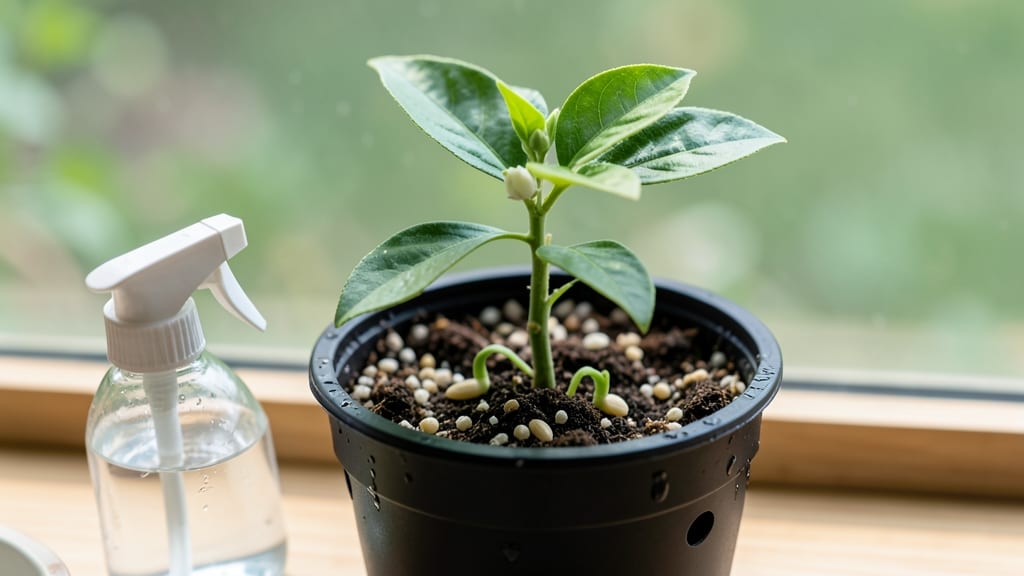
Watching lemon seed growth feel like cheating the system—you get to transform tiny seeds into fragrant citrus giants in just months. 🌱 The secret to fast sprouts isn’t fancy equipment but a simple year-round hack that cuts germination time from weeks to days.
I’ve turned kitchen scraps into thriving seedlings using nothing but a warm spot and a little patience. Most people give up after three weeks of waiting, but with this method, you’ll see those first green shoots in 7-10 days.
The trick is keeping the soil consistently warm (70-80°F) and moist without drowning the seeds. No heat mats? A sunny windowsill or even your fridge’s warm drawer works—just keep it steady. By month three, your seedlings will be sturdy enough to transplant, with leaves bright enough to rival store-bought plants.
The real magic happens when they start flowering—though that takes a few more seasons. Every stage feels like a mini-victory, especially when neighbors ask where you bought your "perfect" tree. This works for any citrus seed, indoors or out, even in winter. The only rule?
Don’t rush it—slow growth now means a stronger tree later. Let’s get those seeds sprouting!
📚 In This Guide
- What you need
- Instructions
- Tips and common mistakes
- Wrapping up and next steps
What you need
- ● Lemon seeds: 3–5 fresh, plump seeds (harvested from organic lemons for best results). Pro tip: 💡 Rinse seeds to remove pulp before planting!
- ○ Small pots or seed trays: 2–3 (4-inch diameter) with drainage holes. Optional: Biodegradable peat pots for easy transplanting.
- ● Well-draining potting mix: 1–2 bags (sterilized, seed-starting blend preferred). Avoid garden soil—it’s too dense!
- ○ Spray bottle: For gentle watering (16 oz or larger). Optional: A humidity dome or plastic wrap to retain moisture.
- ○ Clear plastic wrap or humidity dome: To create a mini greenhouse effect (optional but helpful).
- ● Tweezers or toothpick: For placing tiny seeds without crushing them.
- ● Plant labels & marker: To track seedling progress (especially if testing different germination methods).
- ○ Grow lights or sunny windowsill: 6+ hours of indirect light daily. Optional: LED grow lights for consistent growth.
- ● Fertilizer (balanced, water-soluble): 1 small bottle (e.g., 5-5-5 NPK). Wait 4–6 weeks before first use!
- ● Patience & warmth: Seeds thrive in 70–85°F (21–29°C)—a sunny windowsill or seedling heat mat helps! ⏳
Step-by-step instructions for lemon seed germination
Here’s how to coax lemon seeds into sprouts faster than you’d expect—no fancy equipment needed.
🌱 Step 1: Extract and Prepare the Seeds
Cut open a fresh lemon and scoop out the seeds, rinsing them gently to remove pulp. I like to spread them on a paper towel to air-dry for 30 minutes—this prevents mold later. The key here is speed: the faster you get them into moist conditions, the quicker they’ll germinate.
Once dry, place the seeds between damp paper towels in a sealed plastic bag. I fold the towels loosely so they don’t suffocate the seeds, then store them in a warm spot—70-75°F is ideal. Check daily for moisture; if the towels dry out, mist them lightly. You’ll see tiny white roots peeking through in 7-10 days—that’s your first sign of success.
💧 Step 2: Plant the Sprouted Seeds
Fill small pots—2-3 inches deep—with a mix of 50% potting soil and 50% perlite to improve drainage. Lemon seedlings hate soggy roots, so this balance is critical. Plant each sprout ½ inch deep, spacing them 1 inch apart in the pot. Gently press the soil around the roots to secure them without compacting.
Water lightly until the top inch of soil feels damp, not soaked. Place the pots in a warm, bright spot—indirect sunlight is best at first. You’ll notice the first true leaves (not the initial seed leaves) emerge in 2-3 weeks. This is when they’re ready for a little more direct light, but go slow to avoid scorching tender growth.
☀️ Step 3: Provide Light and Gradual Sun Exposure
Move the seedlings to a south-facing window or under a grow light once they’ve developed 3-4 true leaves. If using natural light, rotate the pots quarter-turn daily so they don’t lean toward the sun. Leggy seedlings (thin, stretched stems) mean they’re reaching for more light—adjust their position within 4 inches of the light source to fix this.
After 4-6 weeks, when seedlings are 4-6 inches tall, you can introduce them to 2-3 hours of direct morning sun. This hardening process strengthens their stems and prepares them for outdoor conditions. Watch for vibrant green leaves—this is your cue that they’re thriving.
🪴 Step 4: Transplant and Maintain Growth
Once seedlings are 6-8 inches tall and have 5-6 true leaves, transplant them into 5-gallon pots or directly into the ground if your climate allows. Lemon trees love well-draining soil, so mix in compost and sand if your soil is heavy. Plant them 12 inches deep to encourage strong root development below the graft union (if using grafted trees).
Water deeply once a week, letting the top 2 inches of soil dry out between waterings. Overwatering is the #1 killer of young citrus—yellowing leaves or wilting are your warning signs. Fertilize lightly with a balanced citrus fertilizer every 6 weeks once they’re established. Patience pays off: with consistent care, you’ll see flowers (and eventually fruit!) in 2-3 years.
Tips & tricks for fast lemon seed germination
Here's what nobody tells you about speeding up those tiny sprouts—tricks that cut weeks off your wait time.
The Speed Factor: Don't rush the initial 30-minute drying step—this is non-negotiable for preventing mold. But once seeds are dry, place them in a sealed bag with a damp paper towel and store them in a warm spot like on top of your fridge (around 75°F). The sealed environment creates a mini greenhouse effect that accelerates germination by 2-3 days. I've seen roots appear in just 5 days when using this method!
Moisture Management: Check those paper towels daily—you want them damp, not soaked. Overly wet towels suffocate seeds and invite mold. A spray bottle works perfectly for misting when needed. Pro tip: Use a clear plastic bag so you can monitor root development without disturbing the seeds.
Light Strategy: For seedlings in Step 3, position your grow light or south-facing window within 4 inches of the plants. If using natural light, rotate pots daily to prevent leaning. I've found that a simple LED grow bulb (around $20) works better than windows alone for consistent growth—especially in cloudy climates.
Transplant Timing: Wait until seedlings reach 6-8 inches with 5-6 true leaves before transplanting—this ensures they're strong enough to handle the move. When repotting into 5-gallon containers, use a mix of 50% potting soil and 50% perlite to prevent root rot. The deeper 12-inch planting encourages stronger root systems that will support future fruit production.
Pro Tips for Lemon Seed Growth
- Here's what nobody tells you about speeding up those tiny sprouts—tricks that cut weeks off your wait time.
- The Speed Factor: Don't rush the initial 30-minute drying step—this is non-negotiable for preventing mold. But once s...
- Moisture Management: Check those paper towels daily—you want them damp, not soaked. Overly wet towels suffocate seeds...
Frequently asked questions
Got questions about growing lemon seeds?
You’re not alone! Here are answers to the most common queries to help you succeed with your lemon seed growth project.
How long does it take for lemon seeds to sprout?
Lemon seeds typically sprout within 2 to 4 weeks, depending on moisture, warmth (70–80°F), and soil conditions. Keep the soil consistently damp (not soggy) and place the pot in a sunny spot to speed up germination. Patience is key—some seeds may take a little longer!
Can I grow lemon seeds indoors year-round?
Lemon seeds thrive indoors with bright, indirect light (a south-facing window or grow lights work best). Use a well-draining potting mix, maintain humidity with a plastic cover, and keep temperatures warm. Just avoid drafts or extreme cold—lemon trees are tropical and prefer cozy conditions.
What if my lemon seeds rot instead of sprouting?
Overwatering or poor drainage is usually the culprit. If your seeds feel mushy or smell foul, they’re rotting. Fix it by:
- Using a pot with drainage holes
- Watering only when the top inch of soil is dry
- Switching to a lighter, sandy potting mix
Will lemon seed plants actually produce fruit?
While possible, it’s unlikely unless you have two lemon trees (for pollination) and wait 5–10 years for maturity. Most homegrown lemon seedlings are grown for foliage or as ornamental plants. For fruit, consider grafting or buying a young tree from a nursery!
Can I reuse lemon seeds from store-bought lemons?
Yes! Store-bought lemon seeds will grow, but the fruit may not be as flavorful or consistent as heirloom varieties. Rinse seeds thoroughly to remove pulp, dry them slightly, and plant them as usual. Just know: commercial lemons are often hybrids bred for shelf life, not taste!
Wrapping up and next steps
Growing lemons from seed is a rewarding journey that brings a touch of sunshine to your lawn or garden year-round! 🌱 With the right lemon seed growth techniques—like proper stratification, consistent moisture, and patience—you’ll soon enjoy fast, thriving sprouts.
Whether you’re a seasoned gardener or a beginner, this hack makes it simple and exciting.
Now that you’re armed with the knowledge, take the next step! Grab those seeds, follow the steps, and watch your little lemons grow. Share your progress with fellow plant lovers—your green thumb might inspire someone else’s gardening adventure! 🌿