
Lawn
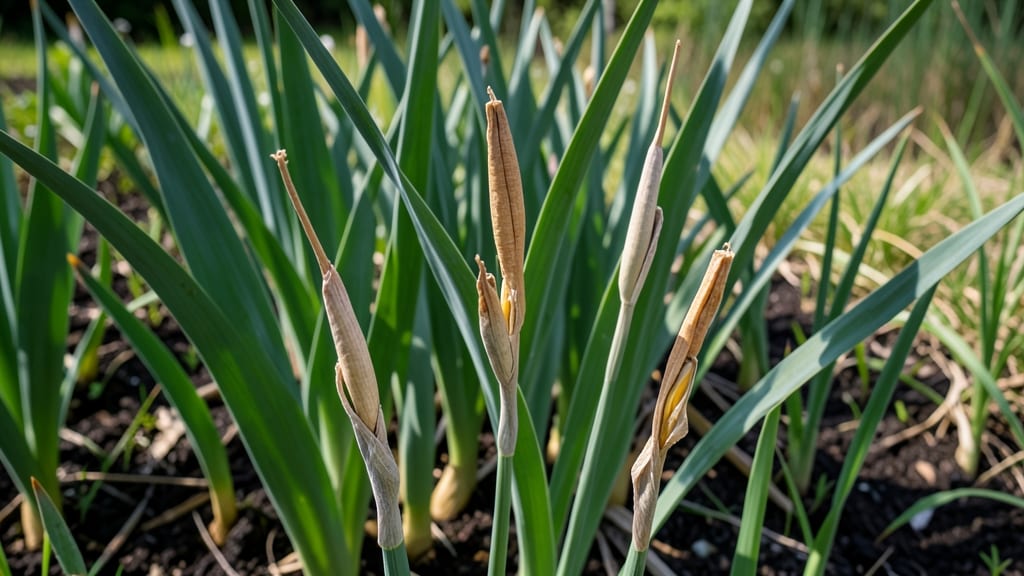
Harvesting Louisiana iris seed pods without the frustrating twist-and-turn battle is totally doable. 🌱 I’ve wrestled with those stubborn pods for years, but once I learned the right timing and technique, it became almost effortless.
The key is knowing exactly when to harvest—right before they split open—and using the right tools to make the process smooth.
Mature seed pods are plump and slightly woody, turning from green to a pale yellow-brown. Harvest them in late summer or early fall when they’re firm but not yet dry. A sharp pair of pruning shears or scissors works best—no need to struggle with twisting.
Once you’ve collected them, let the pods dry completely before cracking them open to reveal the tiny, flat seeds inside.
Germinating Louisiana iris seeds takes patience but rewards you with stunning blooms in just a few years. Plant the seeds in a well-draining mix, keep them lightly moist, and place them in a bright, shaded spot.
The seedlings will be small and delicate at first, but with consistent care, they’ll grow into robust plants that thrive in Louisiana’s humid climate.
Common issues like mold or rot can pop up if the soil stays too wet, so ensure good airflow around your seedlings. With the right approach, you’ll go from struggling with stubborn pods to growing a beautiful patch of Louisiana irises in no time—without the headache.
Ready to give it a try?
📚 In This Guide
- What you need
- Instructions
- Tips and common mistakes
- Wrapping up and next steps
What you need
- ● Pruning shears or sharp scissors: Clean, sterilized, and sharp (bypass pruners work best to avoid crushing pods). Quantity: 1 pair.
- ● Garden gloves: Heavy-duty, cut-resistant (to protect hands from thorns and sharp edges). Quantity: 1 pair.
- ● Paper bags or breathable mesh bags: Labeled with plant names (for collecting pods—avoid plastic to prevent moisture buildup). Quantity: 3–5 bags.
- ● Disinfectant (70% isopropyl alcohol or bleach solution): 1:9 bleach-to-water ratio (for sterilizing tools between cuts).
- ● Twist ties or rubber bands: For securing seed pods if you plan to dry them indoors.
- ○ Notebook & pen: To log pod maturity dates and varieties (optional but helpful!).
- ● Knee pad or small stool: For comfort if harvesting in dense patches.
- ● Spray bottle with water: To mist pods lightly if they’re drying too fast.
- ● Seed drying tray or screen: Elevated and well-ventilated for indoor drying.
- ● Magnifying glass: To inspect seed viability (if you’re feeling extra thorough!).
Step-by-Step guide to harvesting Louisiana iris seed pods
Here’s how to collect seed pods without the frustrating twisting that ruins so many harvests.
🌱 Step 1: Identify Mature Seed Pods
Louisiana iris seed pods mature in late summer to early fall, turning from green to a papery brown color. Look for pods that are fully elongated—about 3-4 inches long—and feel dry to the touch. If you press gently and hear a hollow sound, it’s ready. Avoid harvesting if the pods are still green or plump, as seeds won’t be viable yet.
I like to check pods weekly starting in August. The pods twist naturally as they mature, but if you wait too long, they’ll split open and scatter seeds everywhere. Harvest when they’re dry but still intact—this ensures the best chance of saving seeds without losing them to wind or wildlife.
✂️ Step 2: Harvest Without Twisting the Stems
Use clean, sharp pruning shears to snip the seed pods from the stem, leaving about 1 inch of stem attached. Cut just above a leaf node to encourage healthy regrowth. The key here is to avoid tugging or twisting—the stems are fibrous and can snap, damaging the rhizome.
If the pods are still attached to a long stem, lay them flat on a tray to dry completely before removing seeds. I’ve found that placing them in a shady, well-ventilated spot for 3-5 days prevents mold while keeping seeds viable. Never store freshly harvested pods in sealed containers—they’ll sweat and rot.
🪴 Step 3: Extract Seeds and Dry Properly
Once the pods are fully dry, gently squeeze them over a clean tray or paper to release the seeds. Louisiana iris seeds are small and flat, often with a slight winged edge. You’ll notice some empty pods or seeds that look shriveled—discard those. Only plump, firm seeds are worth saving.
Spread the good seeds in a single layer on a mesh screen or paper towel. Place them in a cool, dry spot (around 60-65°F) for 2-3 weeks to ensure they’re bone-dry before storage. Check daily for signs of mold or pests—if you see any, move the seeds to a different location immediately.
⏰ Step 4: Store Seeds for Planting Next Season
Once completely dry, transfer seeds to a paper envelope or breathable container (never plastic). Label with the variety and harvest date—Louisiana iris seeds can remain viable for 1-2 years if stored properly. Keep them in a dark, cool place (like a seed fridge or basement) to prevent moisture buildup.
When ready to plant, soak seeds in lukewarm water for 24 hours before sowing. This softens the seed coat and encourages faster germination. Plant them ¼ inch deep in moist, well-draining soil and keep the area consistently damp until sprouts appear—usually in 4-6 weeks.
Tips & tricks for stress-free Louisiana iris seed pod harvesting
Here's what I've learned after years of harvesting these tricky pods—avoid these common pitfalls for perfect results.
Timing is Everything: Louisiana iris pods mature quickly, so check them every 3-4 days starting in mid-August. The window between fully dry (ready to harvest) and splitting open (too late) is just 2-3 days. I mark my calendar with the first week of September as my target harvest week—this gives me the best chance to catch them at peak readiness.
Harvesting Technique: The secret to avoiding stem damage is using the right tool. Regular scissors or your hands will twist and tear the fibrous stems. Invest in a pair of sharp pruning shears—clean blades make precise cuts that protect the rhizome. When cutting, make your snip just above a leaf node at a 45-degree angle for cleaner separation and better regrowth.
Drying Strategy: After harvesting, don't rush the drying process. The 3-5 days of drying time in Step 2 is non-negotiable—this prevents mold while keeping seeds viable. I use a wire cooling rack in my garage (which stays around 65°F) with good airflow from an open window. If you're in high humidity, extend drying to 7 days rather than risking mold. The pods should feel completely dry and papery before handling.
Seed Selection: When extracting seeds, don't be fooled by size alone. Some seeds may look plump but feel hollow when squeezed between your fingers—these won't germinate. Only keep seeds that are firm, flat, and have that characteristic slight winged edge. I spread them on a dark-colored tray to make it easier to spot the good ones against the background.
Pro Tips for Louisiana Iris Seed Pods
- Here's what I've learned after years of harvesting these tricky pods—avoid these common pitfalls for perfect results.
- Timing is Everything: Louisiana iris pods mature quickly, so check them every 3-4 days starting in mid-August.
- Harvesting Technique: The secret to avoiding stem damage is using the right tool.
Frequently asked questions
Got questions about Louisiana iris seed pods?
You’re not alone! Here are answers to the most common concerns—from harvesting to troubleshooting—so you can tackle them with confidence.
When do Louisiana iris seed pods ripen and how do I know they’re ready?
Louisiana iris seed pods typically ripen in late summer to early fall (August–October), turning from green to a papery brown. Gently squeeze the pod—if it feels dry and brittle and the seeds rattle inside, it’s ready for harvest. Avoid picking too early, or the seeds may not germinate properly.
Do I need to twist or cut the pods, or can I just pull them off?
While twisting works for some iris pods, Louisiana iris seed pods are often delicate. Use clean pruning shears or scissors to snip the stem just above the pod (about 1–2 inches down) to avoid damaging the plant. Pro tip: Wear gloves—some varieties have sharp seed pods!
What should I do if my seed pods split open before I can harvest them?
Don’t panic! If pods split naturally, scatter the seeds on well-draining soil in a shady spot (they need moisture but hate soggy roots). Cover lightly with ¼ inch of soil and keep the area consistently damp. Bonus: Louisiana iris seeds are heavy, so they’ll often germinate on their own in the right conditions.
Can I save Louisiana iris seed pods for next year, or do I need to use them fresh?
Fresh seeds germinate best, but you can store them in a cool, dry place (like a paper envelope) for up to 6 months. For long-term storage, place them in the fridge (not the freezer) with a moisture-absorbing packet. Warning: Humidity is the enemy—moldy seeds won’t sprout!
Are there any alternatives if my Louisiana iris isn’t producing seed pods?
If your plant skips flowering or podding, try these fixes:
- Boost sunlight: Louisiana irises need 6+ hours of sun daily.
- Fertilize lightly: Use a balanced, low-nitrogen fertilizer in early spring.
- Divide clumps: Overcrowded rhizomes may focus on growth over blooms.
Patience helps—some mature plants take 2–3 years to produce pods reliably.
Wrapping up and next steps
Harvesting Louisiana iris seed pods doesn’t have to be a struggle—with the right tools and techniques, you can collect them effortlessly and even propagate new plants for your garden! 🌱 Whether you’re a seasoned gardener or just starting out, these pods offer a rewarding way to expand your iris collection without the frustration of stubborn twists.
Now that you’re equipped with the knowledge, roll up your sleeves and give it a try! Grab your gloves, a pair of pruners, and head to your garden—your future blooms are waiting. Happy harvesting! 🌸