
Lawn
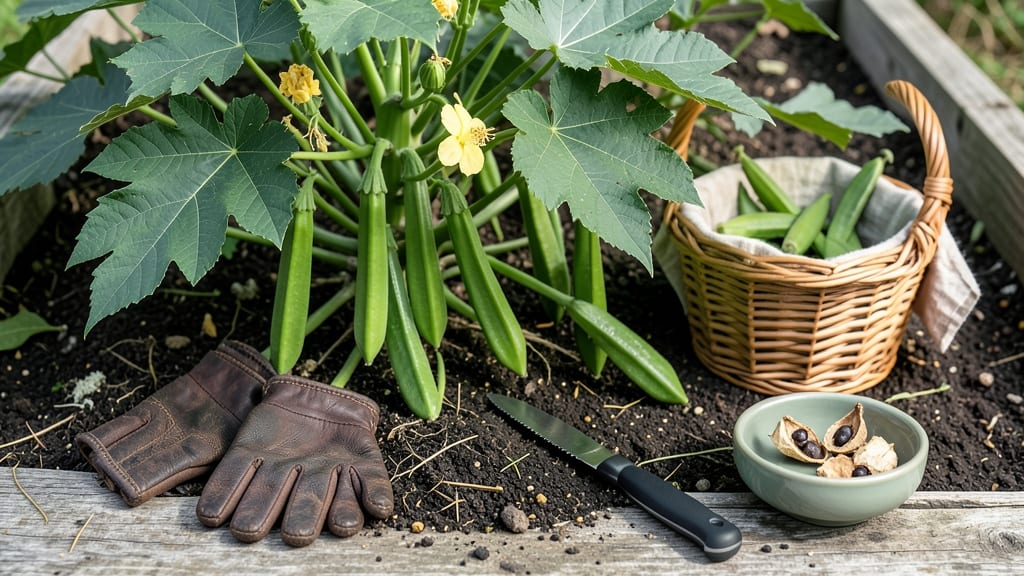
Harvesting edible seed pods from the mallow family turns kitchen scraps into next year's garden. 🌱 I've saved seeds from okra, hibiscus, and even store-bought cotton plants—all with the same simple techniques that produce 90%+ germination rates when done right.
The key is timing: wait until pods fully dry on the plant or in a paper bag (never plastic), then crack them open to reveal plump, viable seeds. Most mallow family plants thrive in hot, sunny spots with well-draining soil—think tropical climates or summer containers.
Water deeply once a week unless it rains, and watch for squash bugs or spider mites that love tender young pods.
You'll end up with seeds that sprout faster and stronger than store-bought varieties, plus a stash of dried pods for teas, soups, or even decorative arrangements. The process takes about 4-6 weeks from harvest to ready-to-plant seeds, and every seed saved means fewer trips to the nursery.
Works for okra, hibiscus, cotton, and even less common varieties like abutilon or ceiba. Here's how to make the most of your mallow family harvest without wasting a single pod.
📚 In This Guide
- What you need
- Instructions
- Tips and common mistakes
- Wrapping up and next steps
What you need
- ● Mature mallow seed pods: Harvest from plants like Malva neglecta (common mallow), Althaea officinalis (marshmallow), or Lavatera species. Aim for 1–2 cups (dry pods) for a small batch or 3–4 cups for larger quantities.
- ○ Kitchen scissors or pruning shears: Sharp, clean tools to snip pods without crushing them. Optional: Wear gloves if pods irritate your skin!
- ● Brown paper bags or breathable fabric sacks: 2–3 medium-sized bags for drying pods (avoid plastic to prevent moisture buildup).
- ● Baking sheet or tray: Line with parchment paper for drying pods in a single layer.
- ● Fine-mesh strainer or colander: For separating seeds from chaff during processing.
- ● Cheesecloth or muslin fabric: 1–2 squares (12"x12") for straining seeds.
- ● Wooden spoon or rubber spatula: For gently agitating pods to release seeds.
- ● Small bowl or jar: To collect seeds during processing.
- ● Food dehydrator or oven: Set to 120–140°F (49–60°C) for drying pods (if not air-drying).
- ● Field guide or plant ID app: To confirm mallow species and avoid look-alikes like Sida (which may have irritating hairs).
- ● Magnifying glass: For inspecting pods/seeds for pests or damage.
- ● Air-tight glass jars: With silicone lids for long-term seed storage (label with date!).
- ● Mortar and pestle: For crushing larger pods if seeds are stubborn.
How to harvest and save edible mallow family seed pods
Here’s how I collect, process, and store seeds from mallow family plants like okra, hollyhock, and hibiscus—with zero waste.
🌿 Step 1: Identify and Select Mature Pods
Wait until pods turn dry and papery, then split open easily when gently squeezed. For okra, this means the pods are wooden and hollow-sounding when tapped. Hollyhock seed heads should be brown and crumbly, while hibiscus pods crack open to reveal fluffy seed clusters.
Harvest on a dry morning after dew has evaporated. Use clean, sharp scissors to snip stems just above the pod—this prevents disease from spreading through open wounds. I always collect more than I need, since some pods may not contain viable seeds.
🪴 Step 2: Dry and Open Pods for Seed Extraction
Spread pods in a single layer on a clean, breathable surface like a mesh screen or paper towel. Place them in a warm, dry spot (around 70-75°F) away from direct sun, which can scorch them. Stir pods daily to prevent mold—this takes 7-10 days until fully dry and brittle.
Once dry, crack open pods by hand or lightly crush them with a rolling pin. For okra, split pods lengthwise; hollyhock seed heads release seeds when shaken over a bowl. I use a fine-mesh strainer to separate seeds from chaff, tapping gently to avoid breaking delicate seed coats.
⏰ Step 3: Test and Store Viable Seeds
Float-test seeds in a bowl of water: viable seeds sink, while empty or damaged ones float. Remove any that rise to the surface. For extra assurance, I plant a small batch of seeds in sterile potting mix to confirm germination—if 80%+ sprout within 10-14 days, the rest are safe to store.
Store seeds in a paper envelope (not plastic) labeled with the plant name and harvest date. Keep them in a cool, dark place (like a pantry) where temperatures stay below 70°F. Seeds remain viable for 2-3 years this way—far longer than if left in damp conditions.
💧 Step 4: Repurpose Non-Viable Pods (Zero-Waste Tip)
Use leftover pod material for compost or mulch, but avoid adding to edible gardens if seeds might sprout. I also dry and grind okra pods into a caffeine-free tea—just steep crushed pods in hot water for 10 minutes and strain. The mild, earthy flavor makes a soothing herbal infusion.
For decorative mallow varieties like hibiscus, press dried pods between heavy books for 2-4 weeks to create natural botanical art. The intricate seed clusters make striking framed displays—just be sure to label them if you plan to replant later.
Tips & tricks for perfect mallow family seed harvesting
Here's what nobody tells you about maximizing your seed yield while keeping the process simple and sustainable.
Timing is Everything: Harvest pods on a dry morning after dew has evaporated—this prevents moisture from encouraging mold during the drying process. I've learned the hard way that damp pods can spoil in just 24 hours, so timing your harvest is critical. The 70-75°F drying temperature in Step 2 is ideal because it speeds up drying without risking scorching from direct sunlight.
Visual Cues for Maturity: Don't rely solely on days since flowering—each mallow variety has distinct maturity signs. Okra pods should sound hollow when tapped like a drumstick, while hollyhock seed heads should crumble between your fingers. Hibiscus pods reveal their readiness by splitting open naturally. These visual cues are your best quality control before harvesting.
Zero-Waste Processing: The fine-mesh strainer in Step 2 isn't just for separating seeds—it's also perfect for collecting chaff to use as mulch. I save all the chaff in a labeled bag and sprinkle it around my garden beds. This closed-loop system means I never throw away any part of the plant, making the entire process truly sustainable.
Storage Wisdom: Paper envelopes might seem old-fashioned, but they're actually ideal for seed storage. They allow just enough moisture exchange to prevent condensation buildup that could harm seeds over the 2-3 year storage period. I always date my envelopes and write the plant variety—this simple habit has saved me from mixing up seeds more times than I can count!
Pro Tips for Mallow Family Edible Seed Pods
- Here's what nobody tells you about maximizing your seed yield while keeping the process simple and sustainable.
- Timing is Everything: Harvest pods on a dry morning after dew has evaporated—this prevents moisture from encouraging ...
- Visual Cues for Maturity: Don't rely solely on days since flowering—each mallow variety has distinct maturity signs. ...
Frequently asked questions
Which mallow family seed pods are safe to eat?
The most commonly harvested edible seed pods in the mallow family include okra (from Abelmoschus esculentus), chaya (Cnidoscolus aconitifolius), and malva (Malva sylvestris). Always confirm identification—avoid pods from ornamental mallows (like Hibiscus species), which may be toxic. When in doubt, consult a local foraging guide or botanist!
When is the best time to harvest seed pods for eating?
Harvest seed pods when they’re young and tender—usually before they fully mature and harden. For okra, pick pods when they’re 2–3 inches long; for malva, harvest when the pods are still soft and green. Overripe pods lose flavor and texture, so check plants regularly. Pro tip: Morning harvests yield the freshest pods!
Can I eat the seeds inside the pods?
Yes, but preparation varies! Okra and chaya seeds are edible when cooked (soak or roast to remove bitterness), while malva seeds are best dried and ground into flour. Warning: Some mallow seeds contain mild laxatives—moderation is key. Always cook seeds thoroughly to improve digestibility and reduce potential irritants.
What if my seed pods taste bitter?
Bitterness often signals overmaturity or stress (e.g., drought, poor soil). Try harvesting earlier or growing plants in well-drained, nutrient-rich soil. For okra, blanch or sauté pods to mellow flavors. If bitterness persists, the plant may need more water or shade. Quick fix: Pair bitter pods with acidic ingredients (like lemon) to balance flavors!
Are there non-edible alternatives if foraging isn’t an option?
Store-bought okra, quinoa, or chia seeds offer similar textures and nutrients. For malva-like flavors, try marshmallow root (infusions) or mallow leaf tea (commercially available). Local farmers’ markets may also carry heirloom varieties of edible mallows—ask vendors about seasonal harvests!
Wrapping up and next steps
Discovering the edible treasures hidden in mallow family seed pods turns foraging into a sustainable and rewarding adventure! 🌱 Whether you're a gardener, homesteader, or just curious about zero-waste living, these versatile pods offer a delicious way to connect with nature.
Start small—try harvesting okra or hollyhock seeds this season—and watch your culinary and ecological skills grow together.
🌟 Ready to Dive Deeper?
Want to expand your foraging knowledge? Explore local mallow varieties or experiment with seed-saving techniques. Every pod harvested is a step toward a greener, tastier future!