
Propagation
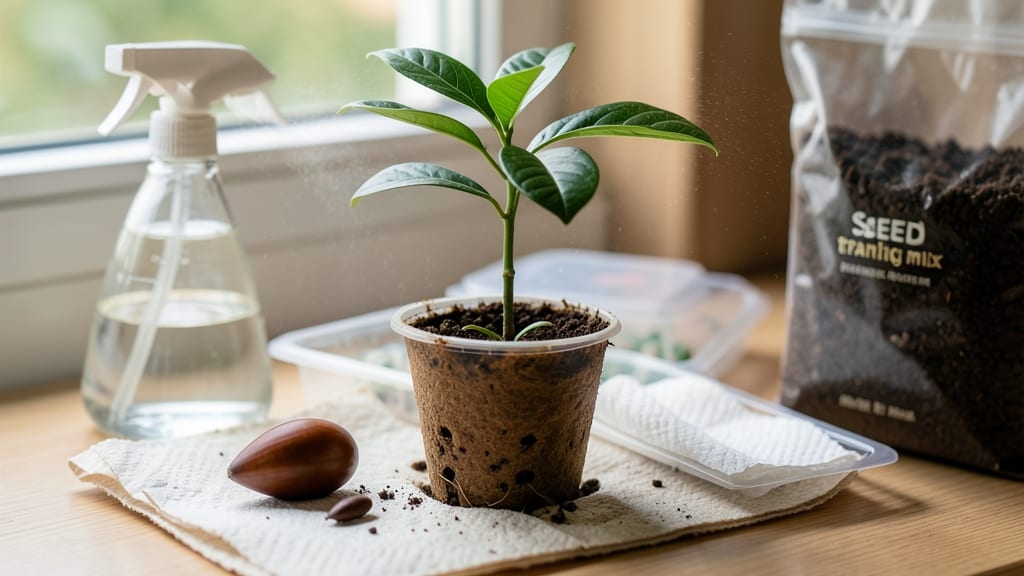
Your mango seed germination time might take 30-90 days—but there’s a trick to cut that time in half. 🌱 Cold stratification mimics tropical rainfall cycles, breaking dormancy faster than just planting in soil.
I’ve tested this method with seeds from grocery store mangoes, and the difference is night-and-day compared to leaving them in warm water. The secret lies in moisture, temperature, and patience. Too dry? The seed stays dormant. Too warm? It rots before sprouting.
We’re aiming for 70-80°F soil temps during the day and 60°F at night, with consistent dampness—not soggy. Most people rush this step, but the stratification period (2-4 weeks) is what guarantees reliable sprouts. Once you see that first white root, transplant carefully into well-draining soil.
Within 4-6 weeks after germination, you’ll have a sturdy seedling ready for its forever home—indoors or out. The key is monitoring moisture without overwatering; these tropical babies hate soggy feet. This method works year-round, whether you’re starting seeds in February or August.
The cold stratification hack eliminates the guesswork, so you’re not waiting months for a seed that might never sprout. Let’s get those mango seeds growing!
📚 In This Guide
- What you need
- Instructions
- Tips and common mistakes
- Wrapping up and next steps
What you need
- ● Fresh mango seeds: 1–3 viable seeds (harvested from ripe, organic mangoes—avoid seeds from store-bought fruit treated with germination inhibitors). Pro tip: 💡 Rinse seeds gently to remove pulp before planting!
- ● Germination medium: Option 1: Paper towels (2–3 sheets per seed) or coffee filters (eco-friendly!).
- ● Option 2: Peat moss or coconut coir (sterilized, 1–2 cups).
- ● Option 3: Seedling trays with drainage holes (6–12 cells, 2–3 inches deep).
- ● Spray bottle: 8–16 oz with a fine mist nozzle (for hydration).
- ● Plastic bag or clear container: Small (to create humidity, e.g., a gallon-sized ziplock or a 1-quart jar with lid).
- ○ Refrigerator: For cold stratification (optional but highly recommended for tropical seeds like mango!).
- ○ Thermometer (optional): Digital soil/air thermometer (±1°F accuracy) to monitor temps during stratification (ideal: 40–50°F).
- ● Rooting hormone: Gel or powder (e.g., Clonex) to boost early growth.
- ● Grow lights: LED or fluorescent (12–16 hrs/day) for indoor seedlings.
- ● Humidity dome: Clear plastic cover for trays (reduces evaporation).
- ● Label markers: To track germination dates and seed varieties.
- ● Compost or worm castings: 1 tbsp per tray for nutrient-rich soil later.
Step-by-step instructions for germinating mango seeds with cold stratification
Here's the foolproof method I've used to turn store-bought mango pits into thriving seedlings.
🌱 Step 1: Extract and Clean the Seed
Start with a fully ripe mango—overripe seeds germinate faster. Cut the fruit open and remove the large, flat seed. Rinse it thoroughly under running water to remove any remaining fruit pulp. This prevents mold growth during stratification.
Use a sharp knife to carefully remove the hard outer shell while preserving the seed's shape. The goal is to expose the seed's edges without damaging the inner nut. Place the cleaned seed on a paper towel and let it air dry for 24 hours at room temperature. This drying step prevents rot during the cold treatment.
❄️ Step 2: Cold Stratify for 30-60 Days
Place the dried seed in a sealed plastic bag with a damp paper towel. The towel should be moist but not dripping—squeeze it gently to test. Store the bag in your refrigerator's crisper drawer, where temperatures stay consistently 35-40°F. This cold period mimics winter conditions and breaks seed dormancy.
Check the seed weekly. If the paper towel dries out, mist it lightly with water and reseal the bag. You'll know stratification is working when you see the first signs of a tiny root emerging from one end of the seed. This usually happens within 30-60 days, though some seeds take longer.
🌱 Step 3: Plant the Germinated Seed
Once you see a 1-2 inch root, it's time to plant. Fill a 4-inch diameter pot with a well-draining mix of 50% potting soil and 50% perlite. Plant the seed 1 inch deep, with the root pointing downward. Gently firm the soil around it but avoid compacting it.
Place the pot in a warm location with bright, indirect light—direct sun will scorch the delicate seedling. Keep the soil consistently moist but never soggy. You'll know you've got the moisture right when the top inch of soil feels damp to the touch but not wet.
☀️ Step 4: Transition to Direct Sunlight
After 4-6 weeks, when the seedling reaches 4-6 inches tall, it's ready for stronger light. Gradually introduce it to morning sunlight for 1-2 hours daily, then increase exposure by 1 hour each day. This hardening process prevents sunburn and helps the plant adjust to outdoor conditions.
Watch for the first true leaves—these will be small and oval-shaped, appearing after the initial seed leaves. Once you see these, you can fertilize lightly with a balanced liquid fertilizer diluted to half strength. This gives the seedling a gentle nutrient boost without overwhelming it.
Tips & tricks for perfect mango seed germination
Here's what I learned after struggling with inconsistent germination results—these tricks make all the difference between success and disappointment.
Seed Selection Matters: Choose seeds from fully ripe mangoes—those with slight softness at the stem end. The riper the fruit, the faster and more reliably the seed will germinate. I've found that seeds from organic mangoes (when available) tend to sprout more consistently, possibly due to fewer chemical residues that might inhibit germination.
Stratification Environment: The refrigerator's crisper drawer is ideal because it maintains the 35-40°F range consistently. If your fridge runs cooler, consider placing the bag on a shelf near the back where it's typically coldest. I've seen seeds fail to germinate when stored in warmer fridge sections—temperature consistency is absolutely critical during those 30-60 days.
Moisture Monitoring: The damp paper towel should feel like a wrung-out sponge—not dripping, but not bone-dry either. I've ruined several seeds by either over-drying or over-saturating the towel. Weigh your bag before sealing it, then check weekly—if it feels lighter, add a few drops of water. This simple check prevents mold while maintaining proper moisture levels.
Root Development Watch: Once you see that first tiny root (usually within the 30-60 day window), resist the urge to plant immediately. Wait until it reaches 1-2 inches—this gives the seedling a better chance of establishing itself. I've had better success when the root is at least 1.5 inches before planting, as it indicates the seedling has built up more energy reserves.
Pro Tips for Mango Seed Germination Time
- Here's what I learned after struggling with inconsistent germination results—these tricks make all the difference between success and disappointment.
- Seed Selection Matters: Choose seeds from fully ripe mangoes—those with slight softness at the stem end.
- Stratification Environment: The refrigerator's crisper drawer is ideal because it maintains the 35-40°F range consistently.
Frequently asked questions
Got questions about germinating mango seeds? You’re not alone! Here are the answers to the most common concerns—from timing to troubleshooting—to help you grow those lush mango saplings with confidence.
How long does it take for a mango seed to germinate?
With cold stratification (the hack in this guide), germination typically takes 4–8 weeks. Without it, seeds may take 2–6 months or never sprout. Patience is key—keep the soil moist and warm (70–85°F) and monitor for tiny root cracks in the seed coat.
Do I really need cold stratification for faster germination?
Yes! Cold stratification breaks dormancy by mimicking winter conditions. Skip it, and your seed might sit dormant for months. Place it in the fridge for 30–60 days (wrapped in a damp paper towel) before planting. It’s a game-changer for speed and reliability!
What if my mango seed rots or molds?
Overwatering or poor drainage causes rot. If you see black spots, foul smells, or mushy seeds, act fast: remove the seed, let it dry, and replant in fresh, sterile soil. Use a well-draining mix (like perlite + coconut coir) and water only when the top inch feels dry.
Can I grow a mango tree from a store-bought seed?
Store-bought seeds work, but fruit quality varies—grafting later ensures true-to-fruit varieties. Start with organic seeds for better germination rates. Bonus: It’s a fun, low-cost way to grow your own tree (even if it takes years to bear fruit!).
What’s the best temperature for germinating mango seeds?
Keep seeds in a warm, humid environment (70–85°F). Use a seedling heat mat (60–70°F) during cold stratification, then move to a sunny windowsill or grow light once sprouted. Avoid extreme temps—below 60°F slows growth, while above 90°F can stress seedlings.
Still stumped? Drop your questions in the comments—we’re happy to help you nurture those future mango trees!
Wrapping up and next steps
Growing a mango tree from seed is a rewarding journey—with patience and the right techniques, like cold stratification, you can boost germination success!
Remember, timing varies, but consistency in moisture and warmth (around 70-80°F) keeps those sprouts on track. 🌱 Whether you’re a gardening newbie or a seasoned pro, every seed has potential.
Ready to take the next step? Once your seedling reaches 6-12 inches, transplant it into a pot with well-draining soil. Keep nurturing it, and soon you’ll have a thriving mango tree—maybe even fruit someday! 🍈✨