
Propagation
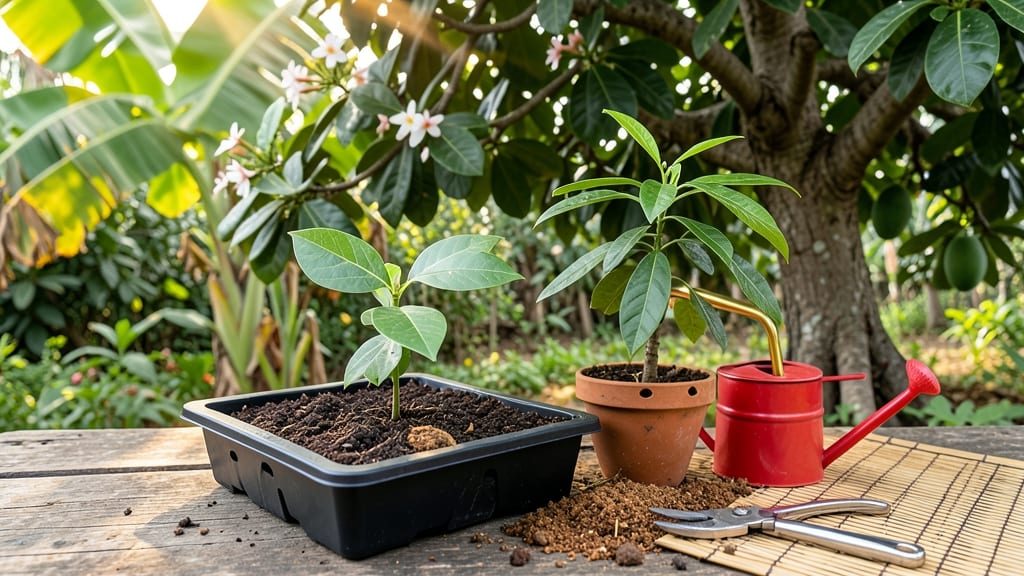
Growing a mango tree from seed to fruit takes patience—but that first ripe mango, sweet and juicy, makes every wait worthwhile. 🌱 I’ve watched my own seedling grow from a tiny sprout to a tree heavy with fruit, and I’m sharing exactly how to replicate that journey, even if you’ve never grown a tropical plant before.
The biggest hurdle isn’t the seed itself—it’s the long wait. Germination takes 4-6 weeks, and fruiting can take 5-10 years, depending on your climate. But with the right care—warmth, sunlight, and a little pruning know-how—you’ll turn that seed into a thriving tree.
Most people quit before they see progress, but the payoff is worth every season of waiting.
By the time you’re harvesting, your tree will be 10-15 feet tall, with glossy leaves and branches bending under the weight of fruit. The first mango might be small, but it’ll be the sweetest reward you’ve ever earned from a garden.
And once you taste it, you’ll never buy store-bought again.
This method works best in USDA Zones 10-11, but with containers and winter care, you can grow one in cooler climates too. Let’s get that seed planted—and start counting down the years to harvest.
📚 In This Guide
- What you need
- Instructions
- Tips and common mistakes
- Wrapping up and next steps
What you need
- ● Mango seed: 1 fresh, healthy seed (preferably from a ripe, organic mango).
- ● Potting soil: 1 bag (10-15 lbs) of well-draining, sterile potting mix (look for a blend labeled for seedlings or citrus trees).
- ● Seedling tray or small pots: 1-2 (4-6 inch diameter) with drainage holes or a seed-starting tray with individual cells.
- ● Plastic wrap or clear lid: 1 (to create a mini greenhouse effect).
- ● Spray bottle: 1 (for gentle watering).
- ● Fertilizer: 1 bottle of balanced, water-soluble fertilizer (e.g., 10-10-10 or 20-20-20, diluted to half-strength).
- ● Pruning shears or scissors: 1 pair (for trimming roots or stems as needed).
- ● Grow lights or sunny windowsill: Access to 6+ hours of indirect light daily (or a grow light for seedlings).
- ● Humidity dome: 1 (to retain moisture during germination).
- ● Soil moisture meter: 1 (to monitor water levels without over-saturating).
- ○ Rooting hormone: 1 small bottle (optional for faster root development).
- ● Larger pots (5+ gallons): 1-2 (for transplanting once the seedling grows).
- ● Mulch: 1 bag (e.g., pine bark or coconut coir, for mature trees).
- ● Trellis or support: 1 (for young trees in windy areas).
Step-by-Step guide to growing a mango tree from seed
Here's how I turn a single mango seed into a thriving tropical tree that could bear fruit someday.
🌱 Step 1: Extract and Prepare the Seed
Save a fresh, plump mango seed from a ripe fruit—avoid seeds from store-bought mangoes, as they're often treated to prevent sprouting. Rinse the seed thoroughly to remove any fruit residue, then let it air-dry for 24 hours at room temperature. This prevents mold while keeping the seed viable.
Once dry, place the seed between two paper towels and fold them to create a snug wrap. Moisten the towels with lukewarm water (not hot) until they feel damp but not soggy. This mimics the tropical humidity the seed needs to germinate. Store the wrapped seed in a ziplock bag and place it in a warm spot, like on top of your refrigerator or near a sunny window.
🌱 Step 2: Germinate the Seed (Patience Required!)
Check the seed daily—you’ll know germination has started when you see a tiny white root (about ¼ inch long) poking out of one end. This usually takes 2-4 weeks, but some seeds take longer, especially if your home runs cooler than 70°F. Keep the paper towels moist but never dripping; excess water smothers the root.
Once the root reaches ½ inch, it’s time to plant. Fill a small biodegradable pot (3-4 inches wide) with well-draining potting mix—mango seeds rot easily if waterlogged. Make a 1-inch deep hole in the center, place the seed root-side down, and cover it lightly with soil. Press gently to secure, but don’t compact the mix.
💧 Step 3: Nurture the Seedling to Transplant Size
Place the pot in bright, indirect light (no direct sun yet—young seedlings burn easily). Water when the top inch of soil feels dry, but avoid soggy conditions. You’ll see the first true leaves (not the initial seed leaves) emerge in 4-8 weeks. This is your signal to start fertilizing lightly with a balanced, water-soluble fertilizer (diluted to half-strength) every 4-6 weeks.
When the seedling reaches 12 inches tall and has 4-5 true leaves, it’s ready for its first repot into a 5-gallon container with fresh potting mix. Mango trees grow fast, so upgrade pots every 1-2 years—root-bound trees fruit poorly. Keep it in partial sun (morning sun, afternoon shade) until it’s 2-3 years old, then gradually introduce more sunlight.
☀️ Step 4: Transition to Outdoor or Large-Scale Growing
If you live in a USDA Zone 10-11 (or can overwinter indoors), move the 3-year-old tree outdoors to a protected spot for a few hours daily, increasing exposure over 2 weeks. Mango trees need full sun (6+ hours daily) and warmth (65°F+) to thrive. In colder climates, keep it in a sunny indoor space near a south-facing window or under grow lights for 12-14 hours/day.
Fruit production takes 5-10 years from seed, but you’ll know it’s maturing when you see white blossoms in spring. Prune leggy branches to encourage bushier growth, and feed with a citrus/mango-specific fertilizer in early spring. Patience is key—seed-grown trees may take longer to fruit than grafted varieties, but the reward is worth it.
⏰ Step 5: Care for the Tree Through Fruiting
Once flowering begins, hand-pollinate blossoms with a soft paintbrush to ensure fruit set (mango trees often rely on insects for pollination). Thin fruits to 6-8 inches apart on branches—overcrowding weakens the tree and reduces fruit quality. Water deeply once a week, letting the soil dry slightly between waterings to prevent root rot.
Mature trees need regular pruning to remove dead wood and shape the canopy. Harvest mangoes when they yield slightly to gentle pressure and smell sweet—this can take 3-5 months after flowering. Enjoy your homegrown tropical harvest, and save a few seeds to start the cycle again!
Tips & tricks for growing a mango tree from seed
Real talk: Growing a mango tree from seed is a marathon, not a sprint. Here's what I've learned to help you avoid common pitfalls along the way.
Seed Selection: Choose seeds from ripe, organic mangoes when possible—they have the highest germination rates. Store-bought seeds often come from hybrid varieties that won't sprout well. I've had best success with seeds from heirloom or tropical varieties like 'Keitt' or 'Haden'. If you're unsure about the seed's viability, try the float test: drop it in water. Viable seeds sink; floaters are likely non-viable.
Germination Environment: The 70°F minimum temperature mentioned in Step 2 isn't just a suggestion—it's critical. If your home runs cooler, consider using a seedling heat mat (set to 75°F) beneath the ziplock bag. I've seen germination times double when seeds are kept below 65°F. Also, place the bag near a warm spot like a refrigerator top or near a grow light—consistent warmth is more important than direct sunlight at this stage.
Transplanting Timing: When your root reaches ½ inch in Step 2, don't rush to plant! Wait until it's closer to 1 inch for better stability. I've lost several seedlings to weak roots that couldn't support the plant during the transplant shock. Use a small biodegradable pot with drainage holes—this prevents root rot while mimicking natural conditions. The 3-4 inch pot size is perfect for the first planting, but make sure it's deep enough for the root to grow without circling.
Light Transition Strategy: That 4-8 week window for true leaves in Step 3 can be tricky. Start with bright, indirect light, then gradually introduce 1-2 hours of morning sun per day after 2 weeks. Sudden exposure to direct sunlight causes leaf scorch. I've had success using sheer curtains to diffuse light initially. Remember, mango trees are tropical—they need plenty of light but build tolerance slowly.
Pro Tips for Mango Tree From Seed To Fruit
- Real talk: Growing a mango tree from seed is a marathon, not a sprint.
- Seed Selection: Choose seeds from ripe, organic mangoes when possible—they have the highest germination rates.
- Germination Environment: The 70°F minimum temperature mentioned in Step 2 isn't just a suggestion—it's critical.
Frequently asked questions
Got questions about growing a mango tree from seed? You’re not alone! Here are answers to the most common ones—so you can troubleshoot, plan, and succeed with your tropical harvest.
How long does it take for a mango seed to sprout?
A mango seed typically sprouts within 2–4 weeks if kept in warm, moist conditions (70–80°F). Patience is key—some seeds take up to 6–8 weeks, especially if stored dry. Use a heat mat or sunny windowsill to speed things up!
When will my mango tree produce fruit from a seed?
Be prepared for a long wait—seed-grown mango trees usually take 5–10 years to bear fruit, sometimes even longer! Grafted trees fruit faster (3–5 years), but seedlings may surprise you with unique varieties.
Can I grow a mango tree indoors or in a pot?
Yes, but with limits! Mango trees thrive outdoors in tropical climates, but you can try container growing in zones 10–11. Use a large pot (15+ gallons), full sun, and well-draining soil. Expect slower growth and smaller fruit—best for patios, not harvests.
Why is my mango seedling dying? Common issues and fixes.
Check these fixes if your seedling wilts or yellows:
- Overwatering: Let soil dry between waterings; mangoes hate soggy roots.
- Pests: Watch for aphids or mealybugs—spray with neem oil or insecticidal soap.
- Cold shock: Mangoes cannot tolerate frost; move indoors if temps drop below 40°F.
- Nutrient deficiency: Yellow leaves? Fertilize lightly with citrus/mango-specific food.
Will my homegrown mango taste like store-bought?
Probably not—and that’s the fun part! Seed-grown mangoes often have unique flavors (sometimes sweeter, sometimes tangier) since they’re not cloned from commercial varieties. Store-bought mangoes are bred for shelf life, while yours could be a one-of-a-kind tropical treasure.
Wrapping up and next steps
Growing a mango tree from seed to fruit is a rewarding journey that connects you to nature’s sweetest bounty! 🌱 While it takes patience—often 3 to 6 years for your tree to bear fruit—each step, from nurturing the seedling to protecting your tree, is a chance to learn and celebrate growth. You’ve got this!
Ready to take the next step? Once your tree is thriving, explore pruning techniques or soil enrichment tips to boost fruit production. Or, share your progress with fellow gardeners—inspiration spreads like wildfire! 🌿