
Propagation
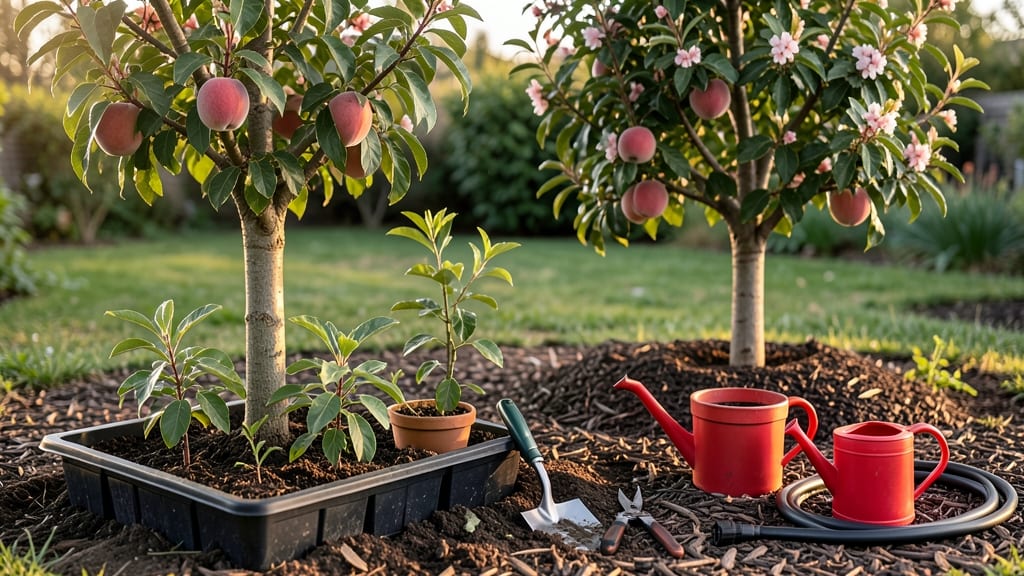
Growing a peach tree from seed to fruit requires patience—but the first ripe peach you pick makes every year of waiting worth it. 🌱 The journey starts with a single pit, not a nursery sapling, and by year 5 or 7, you’ll finally taste the sweet reward of your labor.
This isn’t just about growing a tree; it’s about mastering the art of nurturing something from almost nothing, learning to read its subtle signals before it even thinks about blooming.
The real secret isn’t in the soil or the water—it’s in understanding the tree’s natural rhythm. You’ll need to time your seed germination just right, protect young roots from transplant shock, and prune with surgical precision to encourage strong branching.
Most gardeners quit before the first flowers appear, but those who stick with it discover something magical: a tree that grows exactly as it should, without the twists and weak limbs of grafted varieties.
By the time your tree finally fruits, you’ll have a self-sufficient orchard in your backyard—no pollination issues, no disease-prone branches, just a sturdy, productive tree that produces peaches with unmatched flavor.
The first harvest might be small, but each year after that, the branches will bend under the weight of golden fruit, and you’ll realize you’ve grown something truly special.
This method works best in USDA zones 5-9, where winters are cold enough to break seed dormancy naturally. If you’re in a warmer climate, you’ll need to simulate winter chilling with refrigeration.
The key is starting early—some seeds take 6-12 months just to sprout, so don’t rush. Patience here isn’t just a virtue; it’s the difference between a thriving tree and a failed experiment.
📚 In This Guide
- What you need
- Instructions
- Tips and common mistakes
- Wrapping up and next steps
What you need
- ● Peach pit (seed): 1 fresh, disease-free pit from a ripe peach (avoid store-bought seeds treated to prevent germination).
- ● Potting soil: 1 bag (1-2 cubic feet) of well-draining, sterile potting mix (look for labels like "seed starting mix" or "organic potting soil").
- ○ Small pots or seed trays: 2-3 (4-6 inches in diameter) with drainage holes. Optional: Biodegradable pots for easy transplanting.
- ● Grow lights or sunny windowsill: Access to 6+ hours of indirect sunlight daily (or a grow light for 12-16 hours/day if indoors).
- ● Spray bottle: 1 for gentle watering (avoid over-saturating the soil).
- ○ Plastic wrap or humidity dome: 1 sheet to create a mini greenhouse effect (optional but helpful for germination).
- ○ Fertilizer: A balanced, water-soluble fertilizer (e.g., 10-10-10 NPK ratio) for seedlings. Optional: Organic options like fish emulsion or compost tea.
- ● Garden bed or large container: At least 5 gallons in size (peach trees need room to grow!). Ensure it has drainage.
- ● Well-draining soil: Mix garden soil with compost (ratio: 3 parts soil to 1 part compost). Test pH: Aim for 6.0-7.0 (slightly acidic to neutral).
- ● Mulch: 2-3 inches of organic mulch (e.g., straw or wood chips) to retain moisture and suppress weeds.
- ● Staking system: 1-2 stakes (5-6 feet tall) and soft ties for young trees (prevents wind damage).
- ● Pruning tools: Sharp bypass pruners (for shaping and removing dead branches).
- ● 💡 Patience is key: Germination can take 2-4 months—stay consistent with moisture and warmth!
- ● 🌡️ Temperature matters: Keep soil between 70-80°F during germination (use a heat mat if needed).
- ● ✨ Pollination hack: If growing indoors or in a greenhouse, hand-pollinate flowers with a soft brush to ensure fruit set.
Step-by-step guide to growing a peach tree from seed to fruit
Here's how to nurture a peach tree from a single seed into a productive fruit-bearing tree.
🌱 Step 1: Stratify and Germinate the Peach Pit
Start by cleaning the pit thoroughly, removing all flesh and drying it for a few days. Once dry, place the pit in a small container with moist sphagnum moss or a damp paper towel. Seal the container loosely and refrigerate for 6-8 weeks—this mimics winter cold and breaks seed dormancy. Check weekly, keeping the moss or towel damp but not soggy.
After stratification, transfer the pit to a small pot filled with well-draining potting mix. Plant it about 1 inch deep, keeping the soil consistently moist at 70-75°F. Germination can take 2-6 weeks, so be patient. You'll know it's working when a tiny sprout emerges—usually from one end of the pit.
☀️ Step 2: Grow the Seedling into a Sapling
Once the seedling reaches 4-6 inches tall, transplant it into a larger 5-gallon container with fresh potting mix. Place the pot in a sunny spot with 6+ hours of direct sunlight daily. Young peach trees need consistent moisture, so water when the top 1-2 inches of soil feel dry.
Fertilize lightly every 4-6 weeks with a balanced 10-10-10 fertilizer, using half the recommended dose. Avoid over-fertilizing—peach trees are sensitive to excess nitrogen, which can weaken the tree. Prune leggy growth to encourage a sturdy, bushy shape. By 1-2 years old, your sapling should be ready for outdoor planting.
🪴 Step 3: Plant Outdoors and Support Growth
Choose a sunny location with well-draining soil and space for the tree to grow 15-20 feet wide. Dig a hole twice as wide as the root ball but only as deep. Gently remove the sapling from its container, loosen the roots, and place it in the hole so the top of the root ball sits 1-2 inches above ground level. Backfill with soil, tamp lightly, and water deeply.
Stake the young tree if needed to prevent wind damage, and mulch around the base with 2-3 inches of organic mulch, keeping it 6 inches away from the trunk. Prune any damaged branches and shape the tree to encourage an open canopy. Peach trees thrive in USDA Zones 5-9, so adjust planting timing based on your last frost date.
✂️ Step 4: Care for the Tree Through Fruiting Age
Once the tree reaches 3-5 years old, it may produce fruit—but don’t expect heavy yields. Peach trees grafted from mature stock fruit more reliably, so consider grafting a known variety onto your seedling tree if you want consistent harvests. Continue fertilizing annually in early spring with a balanced fruit-tree fertilizer, following package instructions.
Thin fruit when small to improve size and quality—remove half the peaches to reduce branch stress. Watch for pests like aphids or peach leaf curl, treating with neem oil or copper fungicide as needed. Harvest peaches when they easily separate from the tree and have full color. With patience, your seedling could bear fruit in 5-7 years, though grafted trees often fruit sooner.
Tips & tricks for growing a peach tree from seed to fruit
Here's what nobody tells you about nurturing a peach tree from seed to harvest—lessons I learned after watching my first seedling struggle.
Stratification Success: The 6-8 weeks in the fridge isn't just about time—it's about consistency. I learned this the hard way when my first pit sprouted too early because I peeked inside too often. Keep that container sealed and check only weekly. The cold mimics winter conditions, breaking dormancy just like nature would. If your kitchen stays below 65°F, you can skip the fridge and just keep the pit in a cool, dark place for the same period.
Germination Insight: That 70-75°F soil temperature is critical once you move the pit to its pot. Too cold and germination stalls; too hot and the pit might rot. I use a seedling heat mat underneath the pot to maintain steady warmth. Watch for the first sprouts—usually from the bottom of the pit—and resist the urge to move it until you see clear growth. The sprout will tell you when it's ready for light, not the calendar.
Sunlight Strategy: Those 6+ hours of direct sunlight are non-negotiable for sapling health. I placed mine near a south-facing window, but even then, I supplemented with a grow light during winter months. Watch for leggy growth—this means it's stretching for light. Rotate the pot weekly so all sides get equal exposure, which prevents weak stems and encourages bushier growth.
Transplant Timing: Your sapling's readiness for outdoor planting by 1-2 years isn't just about height—it's about root development. Before transplanting, gently pull on the pot to check root growth. If you see roots circling the bottom or sides, it's time to move it. I always harden off my saplings by placing them outdoors for increasing durations over 1-2 weeks before permanent planting, which prevents transplant shock.
Pro Tips for Peach Tree From Seed To Fruit
- Here's what nobody tells you about nurturing a peach tree from seed to harvest—lessons I learned after watching my fi...
- Stratification Success: The 6-8 weeks in the fridge isn't just about time—it's about consistency. I learned this the ...
- Germination Insight: That 70-75°F soil temperature is critical once you move the pit to its pot. Too cold and germina...
Frequently asked questions
Got questions about growing your peach tree from seed to fruit? You’re not alone! Here are some of the most common queries—and their answers—to help you along the way.
How long does it take for a peach tree grown from seed to bear fruit?
A peach tree grown from seed can take 5–7 years (or even longer) to produce fruit, compared to grafted trees, which may fruit in 2–4 years. Patience is key—seed-grown trees may also yield smaller or less predictable fruit due to genetic variation.
Can I speed up the fruiting process?
While you can’t completely rush nature, you can improve your chances by:
- Choosing dwarf or semi-dwarf rootstock (if grafting later).
- Providing full sun, well-draining soil, and regular pruning to encourage growth.
- Using growth hormones or rooting powder when transplanting seedlings.
- Selecting seeds from reliable, disease-resistant varieties (though fruit quality may vary).
Will my homegrown peach tree produce fruit like store-bought peaches?
Probably not! Seed-grown trees often don’t replicate the parent plant’s traits—expect wild-type peaches that may differ in size, sweetness, or texture. For consistent, high-quality fruit, consider grafting a known variety onto your seedling later.
What are the biggest challenges when growing peaches from seed?
Watch out for:
- Pests (aphids, peach tree borers, or birds stealing fruit).
- Disease (peach leaf curl, brown rot, or root rot in soggy soil).
- Inconsistent pollination (peaches need cross-pollination; plant two trees if possible).
- Late frosts (blooms are frost-sensitive; choose late-blooming varieties).
Pro tip:
Monitor your tree regularly and use organic sprays (neem oil, copper fungicide) to prevent issues early.
Can I grow a peach tree indoors or in a container?
Peach trees prefer outdoor growing due to their size and sunlight needs, but you can try dwarf varieties in large containers (at least 20 gallons) with full sun exposure. Expect slower growth and smaller fruit. If indoors, ensure a bright, sunny spot (like a greenhouse) and supplement with grow lights.
Wrapping up and next steps
Growing a peach tree from seed to fruit is a rewarding journey filled with patience, care, and a touch of creativity—especially when you add the twist-free pod trick! 🌱 From selecting the perfect seed to harvesting juicy peaches, each step is a chance to connect with nature and savor the sweet results.
While it may take years for your tree to bear fruit, the process itself is pure magic—and every pruned branch or pollinated bloom brings you closer to that first taste.
Ready to take the next step? Start small: plant that seed today, or share your newfound knowledge with fellow gardening enthusiasts. Whether you’re growing for yourself or gifting twist-free peaches to neighbors, your green thumb is already making waves. Happy growing! 🍑✨