
Lawn
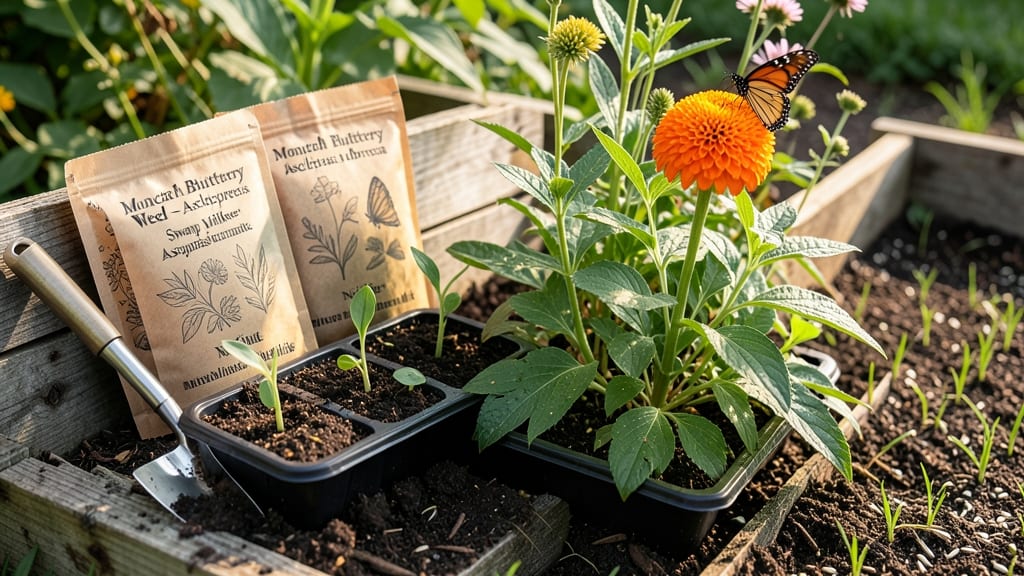
Your monarch seed mix is the secret weapon for next year’s butterfly bonanza. 🌱 I’ve learned that planting these cold-hardy blooms now means vibrant nectar sources when monarchs migrate back in spring—something store-bought annuals can’t match.
The magic happens in late fall: scatter seeds over prepared soil, lightly cover, and let winter do the work. These varieties thrive in poor conditions, popping up reliably even in partial shade. By June, you’ll have a pollinator magnet with zero extra effort.
You’ll watch caterpillars munch milkweed while butterflies sip from coneflowers and asters. The garden becomes a living highway for monarchs, and your neighbors will ask how you did it. Simple prep, stunning results. Works in any sunny patch—backyard, meadow edge, or even containers.
Here’s how to make it happen before frost sets in.
📚 In This Guide
- What you need
- Instructions
- Tips and common mistakes
- Wrapping up and next steps
What you need
- ● Monarch-specific seed mix: Purchase a high-quality blend (e.g., Asclepias varieties like tuberosa, syriaca, or incarnata). Aim for 1–2 pounds per 100 sq. ft. of planting area.
- ● Well-draining soil: Test your soil’s pH (ideal range: 6.0–7.5). Amend with compost if needed.
- ○ Organic fertilizer (optional but recommended): A balanced 10-10-10 or slow-release formula (e.g., 1–2 cups per 10 sq. ft.).
- ● Watering can or hose with a gentle spray nozzle for even moisture.
- ● Garden gloves (to protect your hands from thorns or rough soil).
- ● Hand trowel or transplanting spade (for planting seeds ¼–½ inch deep).
- ● Rake or hoe (to loosen soil and create furrows).
- ○ Mulch (optional): Straw or shredded leaves (1–2 inches thick) to retain moisture and suppress weeds.
- ● Sunlight access: Choose a site with full sun (6+ hours/day)—monarchs love warmth!
- ● Timing: Plant seeds in early spring or late summer (avoid frost-sensitive varieties like Asclepias tuberosa in cold climates).
- ● Patience: Some seeds may take 1–2 weeks to germinate, while others (like milkweed) can be slow to establish.
How to prepare a monarch seed mix for cold-stressed blooms
Here's how I ensure next year's monarchs have the nectar they need—starting with seeds that thrive in winter chill.
🌱 Step 1: Select the Right Seeds for Cold-Hardy Blooms
Choose a mix of native milkweed varieties (like butterfly weed or swamp milkweed) and cold-tolerant nectar plants such as purple coneflower, black-eyed Susan, or goldenrod. These species survive light frosts and bloom early, giving monarchs their first food source of the season. I always pick seeds labeled "organic" and "non-GMO" to support healthy ecosystems.
Look for seed packets that specify "cold stratification" if available—this means the seeds are pre-treated for winter germination. If not, you'll handle that yourself in the next step. Avoid hybrid seeds; they often don't perform as well in wild conditions. Buy from reputable native plant nurseries to ensure genetic suitability for your region.
💧 Step 2: Cold-Stratify Seeds for Winter Germination
Mix the seeds with slightly damp sand or peat moss in a sealed container. I use a plastic bag with a twist tie, leaving a small air pocket. Place the container in your refrigerator's crisper drawer (not the freezer) for 4-8 weeks. This mimics natural winter conditions and breaks seed dormancy.
Check the moisture level every 2 weeks—it should feel like a damp sponge, not soggy. If the mix dries out, spritz it lightly with water. You'll know stratification is working when the seeds look slightly plump and firm. Real talk: if you skip this step, your seeds may take months to sprout or never germinate at all.
☀️ Step 3: Plant in Late Fall for Winter Establishment
Sow the cold-stratified seeds directly into the garden bed in late October or November, about ¼ inch deep and 6 inches apart. Use a hoe or trowel to loosen the soil first—cold ground is harder to work with. Planting in fall gives seedlings a head start on root development before spring.
Cover the area with 2-3 inches of mulch (straw or shredded leaves work well) to protect seeds from temperature swings and erosion. Water lightly after planting, but don't overdo it—excess moisture can rot seeds before they germinate. The mulch will also suppress weeds next spring, giving your blooms an easier fight for sunlight.
✂️ Step 4: Monitor and Thin for Strong Stems
In early spring, check for sprouts when soil temperatures rise above 40°F. Thin seedlings to 12 inches apart once they develop 2-3 true leaves, using scissors to avoid disturbing roots. Keep the strongest, most vigorous plants—these will produce the most nectar and support more monarchs.
Watch for leggy growth (long, thin stems reaching for light) and provide support if needed, like small stakes for taller varieties. Here's the thing—if you see yellowing leaves, it's usually a sign of overwatering. Let the soil dry slightly between waterings, especially in spring when rains can be unpredictable.
🪴 Step 5: Maintain Blooms Through the Season
Fertilize lightly in early spring with a balanced organic fertilizer (10-10-10) to encourage lush foliage, but avoid heavy feeding—milkweed and coneflower prefer lean soil. Deadhead spent blooms regularly to prolong flowering and attract monarchs throughout the season.
By mid-summer, your cold-stressed plants will be established and ready to support migrating monarchs. I always leave some seed pods on the plants to ensure next year's crop. If you notice aphids or other pests, hose them off with water—most native plants handle occasional pests without chemical intervention.
Tips & tricks for perfect monarch seed mix
These simple strategies will help you grow resilient blooms that monarchs will love next season.
Seed Selection Wisdom: When choosing your seed mix, prioritize local native varieties from reputable nurseries. I've learned that regional seeds adapt better to your specific climate and soil conditions. For example, if you're in the Midwest, look for seeds labeled "Midwest native mix"—they'll handle your winter chill like a pro.
Stratification Success: During the 4-8 week stratification period in Step 2, place your container on the top shelf of the fridge where it's consistently cold (around 35-40°F). This mimics natural winter conditions and ensures proper dormancy breaking. Real talk: if you use the freezer, you'll kill the seeds—stick to the crisper drawer only!
Planting Precision: In Step 3, use a ruler to mark your planting depth at ¼ inch—don't eyeball it! Shallow planting prevents rot, while too-deep planting can delay germination. I also recommend planting on a cloudy day to reduce stress on the seeds from direct sunlight during their first critical hours.
Spring Care: When monitoring for sprouts in Step 4, use a soil thermometer to confirm temperatures are above 40°F before checking. Early spring mornings can still be chilly, and cold soil can stunt young seedlings. Once they sprout, thin aggressively—crowded plants compete for nutrients and produce weaker stems.
Pro Tips for Monarch Seed Mix
- These simple strategies will help you grow resilient blooms that monarchs will love next season.
- Seed Selection Wisdom: When choosing your seed mix, prioritize local native varieties from reputable nurseries. I've ...
- Stratification Success: During the 4-8 week stratification period in Step 2, place your container on the top shelf of...
Frequently asked questions
Got questions about planting monarch seed mixes for next year’s butterflies? Here are some answers to help you get started!
When is the best time to plant monarch seed mix for winter blooms?
The ideal time to sow monarch seed mix is late summer to early fall (August–October). This gives seeds time to germinate and establish roots before winter, so they’ll bloom early next spring when monarchs need nectar most. If you miss this window, some varieties may still sprout in early spring, but cold-stressed blooms thrive with a head start!
Will monarch seed mix survive a harsh winter?
Yes! Most monarch seed mixes are cold-hardy and designed to withstand freezing temperatures. The key is planting them before the first frost so roots can take hold. Mulching lightly with straw or leaves can add extra protection. Just avoid planting too early—seeds need warm soil to germinate, but established plants handle cold beautifully.
How do I protect my seeds from pests like birds or squirrels?
Birds and squirrels love seeds too! To deter them, scatter seeds thinly and cover lightly with soil or mulch. For extra defense, use seed tape or plant in areas with temporary fencing. If pests are already digging, try planting near a water source—they’ll be distracted by birds drinking!
Can I use monarch seed mix in containers or small gardens?
Monarch seed mixes grow well in containers, window boxes, or small garden beds as long as they get 6+ hours of sunlight daily. Choose shallow-rooted varieties like milkweed and coneflowers. Just ensure your container has drainage holes to prevent root rot—happy roots mean happy butterflies!
What if my seeds don’t sprout by spring?
Don’t worry! Some seeds may lie dormant until conditions are perfect. Try gently raking the soil in early spring to expose fresh seeds. If you suspect poor germination, test a small patch or replant a few seeds. Patience pays off—monarchs will reward your efforts with vibrant blooms!
Wrapping up and next steps
Planting a monarch seed mix is a simple yet powerful way to support these iconic butterflies and brighten your garden next spring! 🌱 By choosing the right seeds, preparing your soil, and following a few key steps, you’ll create a thriving habitat that monarchs—and pollinators—will love.
Now’s the perfect time to take action: grab your mix, get planting, and enjoy the rewards of a garden that buzzes with life (and wings!).
🚀 Your Next Step:
- Order your mix today and mark your calendar for fall planting.
- Tag a fellow butterfly lover to join the conservation effort!