
Flowers
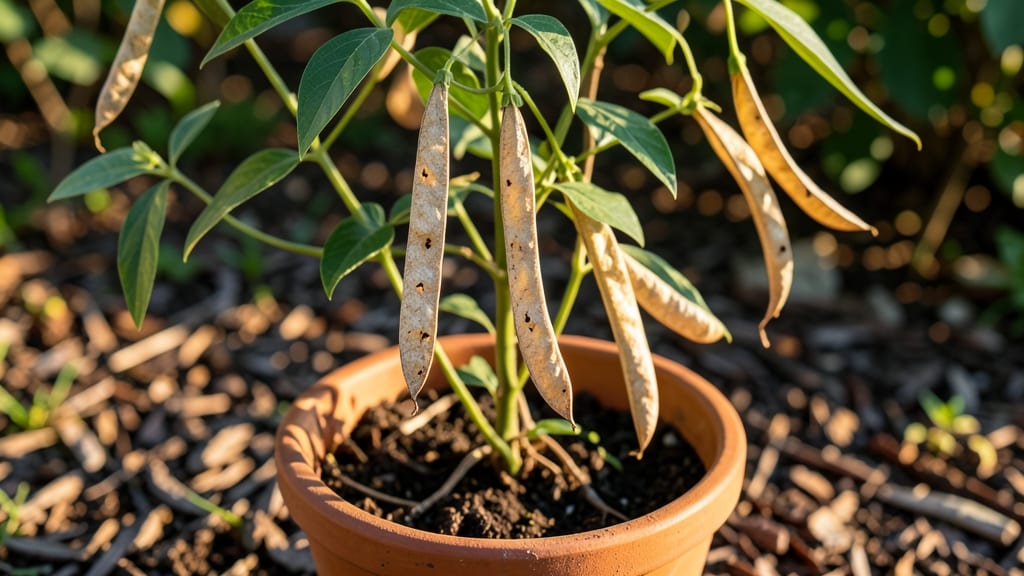
Moon flowers (Ipomoea alba) release their seeds through a fascinating natural trick—when the pods dry, they split open with a satisfying pop. 🌙 I’ve collected these seed pods for years, and the process is simpler than you’d think, especially if you’re growing your own night-blooming vines.
The key is timing: harvest pods when they turn brown and papery, then crack them open to find flat, dark seeds inside. Store them in a cool, dry place until planting—these seeds stay viable for 2-3 years if kept dry.
Plant them in well-draining soil after the last frost, where they’ll thrive in full sun. Once sprouted, young moonflower seedlings need consistent moisture but avoid soggy soil. They’re fast growers, climbing trellises or fences as they reach 10-15 feet tall.
The real magic happens at night, when their fragrant white blooms open under the moonlight. Common challenges? Slugs love young seedlings, so use organic barriers or diatomaceous earth. With patience, you’ll have a vine that blooms reliably for years—just like the ones I’ve grown in my own garden.
📚 In This Guide
- What you need
- Instructions
- Tips and common mistakes
- Wrapping up and next steps
What you need
- ● Moonflower (Ipomoea alba) plants – Ensure they’re mature (at least 1–2 years old) with fully developed seed pods. Pro tip: 🌙 Plant them in late spring or early summer for optimal blooming.
- ● Seed pods – Wait until they turn brown and dry (typically late summer to fall). Harvest 5–10 pods for experimentation.
- ● Pruning shears or sharp scissors – For cleanly snipping pods without damaging the vine.
- ● Paper bags or breathable fabric sacks – 3–5 medium-sized bags (8x10 inches) to collect seeds and allow airflow.
- ● Ruler or measuring tape – To track pod dimensions (width/length) during observations.
- ● Magnifying glass – To inspect seed pod structures and seed release mechanisms.
- ● Digital scale – Weigh pods/seeds for data (precision: 0.1g).
- ● Notebook & pen – Record pod changes, seed counts, and release patterns over 7–14 days.
- ● Humidity gauge – Moonflower pods release seeds best in 40–60% humidity.
- ● Clear plastic container with lid – For controlled seed release experiments (e.g., shaking pods to mimic wind).
- ● Well-draining potting mix – 1–2 gallons per seedling (moonflowers love richness!).
- ● 5-gallon pots or garden bed – Provide 6+ feet of vertical space for vines to climb.
- ● Trellis or sturdy fence – Moonflowers need support to thrive (use 1.5–2-inch diameter poles).
- ● Slow-release fertilizer – 10-10-10 NPK ratio, applied at planting and mid-season.
How to collect and save moon flower seed pods
Here's the straightforward method I use every year to preserve these delicate pods for next season's vines.
🌱 Step 1: Identify and Harvest Mature Pods
Moon flowers produce seed pods after their night-blooming cycle ends. Look for pods that have turned brown and papery—these are ready for collection. I wait until late morning when the pods are fully dry from overnight dew, which makes handling easier without crushing the seeds inside.
Gently twist each pod at its stem attachment point. You'll hear a faint pop when it's ready to release. Don't pull—this can damage the vine's remaining foliage. Place harvested pods in a paper bag (not plastic) immediately to prevent moisture buildup, which can cause premature seed sprouting.
🌿 Step 2: Dry and Prepare Pods for Seed Extraction
Spread the pods on a flat, dry surface like a baking sheet or cardboard tray. Keep them in a warm, dry location (around 70-75°F) for 5-7 days. This slow drying process prevents mold while allowing the pods to fully mature. I place mine near a sunny window but out of direct sunlight, which can overheat and damage the pods.
Check daily for any pods that may have started to split open. These should be processed immediately to avoid losing seeds to wind or pests. Once completely dry, the pods will feel lightweight and brittle—almost like dried paper. Store them in a sealed envelope until ready for seed extraction.
⏰ Step 3: Extract Seeds and Store Properly
Place a dried pod on a clean cutting mat and gently crush it with your fingers or a small rolling pin. The seeds will spill out—you'll see flat, dark brown seeds about ¼ inch long. I sift the debris through a fine mesh strainer to separate the seeds from pod fragments.
Once cleaned, store seeds in a small glass jar with a damp paper towel at the bottom. Seal the jar loosely (leave a tiny gap for airflow) and store in a cool, dark place (around 50-55°F). Check the paper towel monthly—it should stay lightly damp but not soggy. This method maintains viability for up to 2 years.
🌱 Step 4: Plant Saved Seeds Next Season
Sow seeds indoors 8-10 weeks before your last frost date in well-draining potting mix. Press seeds ¼ inch deep in the soil and keep them moist but not wet at 70-75°F. Seedlings typically emerge in 10-14 days. Once they develop 2-3 true leaves, transplant them outdoors after hardening off for 1-2 weeks.
Moon flowers thrive in full sun and well-draining soil. Space plants 6-8 feet apart to allow their vines to climb trellises or fences. The first blooms will appear in late summer, but the real magic happens at night when the flowers open their creamy white petals and release their intoxicating fragrance.
Tips & tricks for perfect moon flower seed pod preservation
These simple tricks will help you maximize your moon flower seed yield without losing a single precious pod.
Timing is Everything: Harvest pods at late morning when dew has evaporated but before the heat of the day can dry them too quickly. This delicate window ensures the pods release cleanly without crushing. I've learned the hard way—waiting until afternoon can make the pods brittle and prone to splitting before you're ready to process them.
Drying Strategy: Keep your drying location at the exact 70-75°F range mentioned in Step 2. Too warm and you risk mold; too cool and the pods won't dry properly. I use a sunny windowsill with indirect light—never direct sunlight—which creates the perfect balance. A small fan on low can help circulate air without disturbing the pods.
Storage Wisdom: The 50-55°F storage temperature is critical for long-term seed viability. I store my jars in the back of my refrigerator where it stays consistently cool. The damp paper towel trick works wonders—just remember to check it monthly. If it feels damp to the touch, it's time to refresh it. This simple step keeps seeds viable for up to two years without any special equipment.
Safety First: Always wear gloves when handling moon flower pods, especially if you have sensitive skin. The pods contain mild irritants that can cause reactions in some people. I also recommend processing pods outdoors or in a well-ventilated area—they release a faint but pleasant fragrance that's stronger than you might expect.
Pro Tips for Moon Flowers Seed Pods
- These simple tricks will help you maximize your moon flower seed yield without losing a single precious pod.
- Timing is Everything: Harvest pods at late morning when dew has evaporated but before the heat of the day can dry the...
- Drying Strategy: Keep your drying location at the exact 70-75°F range mentioned in Step 2. Too warm and you risk mold...
Frequently asked questions
When do moon flower seed pods form after blooming?
Moon flower seed pods typically develop 4–6 weeks after the vine’s stunning white blooms fade. Look for the pods to swell and turn brownish-green as they mature. Pro tip: If your pods stay green too long, they may need more sunlight or warmth to ripen!
How do I know when the seed pods are ready to harvest?
Harvest moon flower seed pods when they’re dry, papery, and easily crushed between your fingers. The seeds inside should rattle—this means they’re ready! Avoid harvesting too early (seeds won’t germinate) or too late (pods may burst open naturally). Timing tip: Late fall or early winter is ideal in most climates.
What should I do if my moon flower seed pods won’t open?
If pods stay closed, try these tricks:
- Dry them indoors: Place pods in a paper bag with silica gel or rice for 1–2 weeks.
- Freeze them: Pop pods in the freezer overnight to mimic winter drying.
- Gently crush: Use a hammer (outside!) to release seeds if pods resist.
Can I grow moon flowers from store-bought seeds, or do I need pods?
Yes! Store-bought seeds work, but pods offer freshness and local adaptation (great for your climate). If using pods, stratify seeds (mix with damp sand, refrigerate 4–6 weeks) to mimic winter—this boosts germination rates. Growth hack: Start seeds indoors 8–10 weeks before your last frost for a head start!
Will moon flower seed pods attract pests or animals?
Generally, no! However, squirrels or birds might snack on ripe pods if left on the vine. To protect them:
- Harvest pods promptly once dry.
- Store seeds in a cool, dark place (like a sealed jar).
- Avoid overcrowding vines—thin plants for better airflow.
Wrapping up and next steps
Moon flower seed pods are nature’s magical way of ensuring the next generation of these enchanting vines thrives—no fuss, just pure botanical brilliance! 🌙 Whether you’re a gardener eager to propagate more moonflowers or simply fascinated by their nocturnal secrets, understanding their seed release process unlocks a world of easy, low-maintenance growth. Ready to try? Grab those pods, follow the steps, and let your garden glow under the moonlight—your future moonflowers are waiting!
🌱 Next Steps:
- Plant your harvested seeds in well-draining soil.
- Keep them moist and watch for sprouts in 2-4 weeks.
- Share your moonflower journey with fellow plant lovers!