Lawn
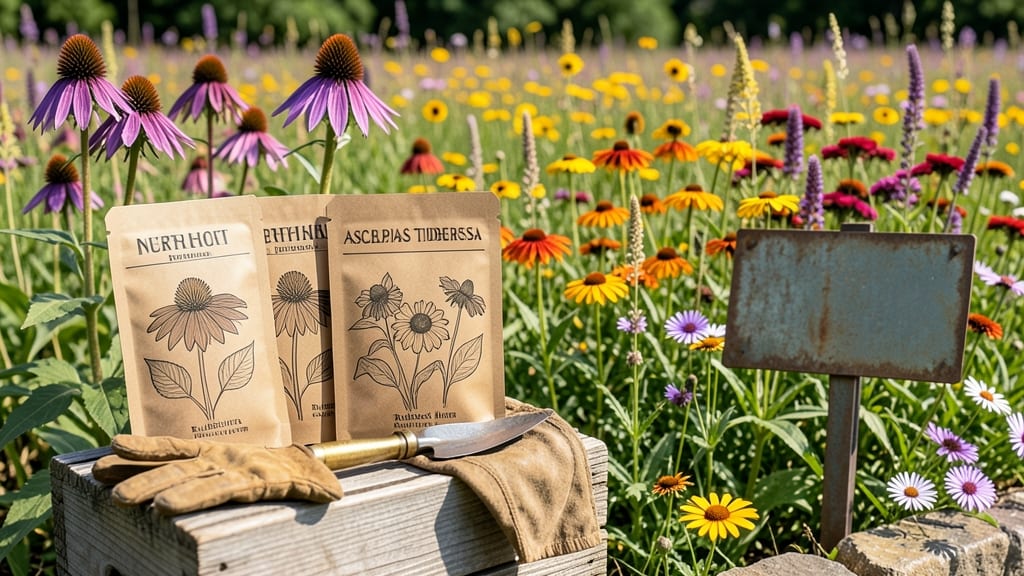
A Northeast pollinator wildflower seed mix transforms your yard into a buzzing, fluttering haven for bees and butterflies by summer. 🌻 I planted mine last May, and by July, monarchs and bumblebees were making it their stopover—something I’d never seen in my previous lawn.
The secret lies in choosing native species that thrive in our climate, from New York’s rocky soils to New England’s acidic beds. The best time to plant is late spring or early fall, when soil is warm but not scorching.
Clear weeds first, loosen the top 2 inches of soil, and mix in a little compost—just enough to help seeds snuggle in without smothering them. Scatter seeds thinly (they’re tiny!) and press lightly so they make contact with the earth.
Water gently but consistently for the first 3-4 weeks, keeping the soil damp like a wrung-out sponge. Once established, these wildflowers need almost no care—just occasional watering during dry spells and a light trim in late fall to tidy up.
You’ll watch hummingbirds dart between blooms, bees pack pollen into their legs, and your neighborhood’s butterfly count skyrocket. The best part? These plants outcompete weeds naturally, so your yard stays lush and alive with pollinators. Pair your mix with milkweed for monarchs or coneflowers for long-season color.
If germination seems slow, check for birds stealing seeds—scatter a light netting until sprouts appear. The payoff? A garden that works harder for the ecosystem than any store-bought bouquet ever could.
📚 In This Guide
- What you need
- Instructions
- Tips and common mistakes
- Wrapping up and next steps
What you need
- ● Northeast Pollinator Wildflower Seed Mix – 1 lb (or more, depending on area size) (Check the package for coverage estimates—typically 1 lb covers ~1,000 sq. ft.).
- ● Garden soil or prepared planting bed – Well-draining, loose soil with minimal weeds (amend with compost if needed).
- ● Water source – Hose with a gentle spray nozzle or watering can.
- ○ Optional but helpful: Compost or organic fertilizer – To boost soil fertility (1-2 cups per 10 sq. ft.).
- ○ Garden rake – For light soil prep (optional if soil is already loose).
- ● Straw or mulch – To retain moisture and suppress weeds (1-2 inches thick).
- ● Sunlight access – Full sun (6+ hours/day) or partial shade (3-6 hours/day) for best results.
- ● Time commitment – ~30-60 minutes for prep and planting.
- ● Weather window – Plant in early spring (March-April) or early fall (September-October) for optimal germination.
- ○ Optional tools: Handheld broadcast spreader – For even seed distribution (or use a stick to scatter seeds manually!).
- ● Garden gloves – To keep hands clean while handling soil.
Step-by-Step guide to planting Northeast pollinator wildflower seed mix
Turn your garden into a buzzing haven for bees and butterflies with this native wildflower blend.
🌱 Step 1: Prepare the Planting Site for Maximum Success
Choose a sunny location that receives at least 6 hours of direct sunlight daily—most native wildflowers thrive in full sun. Clear the area of weeds and grass, then loosen the soil to a depth of 4-6 inches using a garden fork or tiller. This prevents competition and allows roots to establish easily.
For best results, mix in 2-3 inches of compost into the top layer of soil. This enriches the soil without overwhelming the delicate wildflower roots. If your soil is heavy clay, add sand or perlite to improve drainage—wildflowers hate soggy roots. I like to rake the area smooth afterward so the seeds have good soil-to-seed contact.
💧 Step 2: Scatter Seeds Strategically for a Natural Look
Open the seed packet and pour the contents directly onto the prepared soil. For a 4-foot by 4-foot area, you’ll need about 1/4 pound of seed mix—this ensures good coverage without overcrowding. Lightly rake the seeds into the soil with a fine-toothed rake, pressing them just enough to make contact with the earth.
Don’t bury the seeds too deeply—most wildflower seeds need only 1/8 to 1/4 inch of soil coverage to germinate properly. If you’re planting in a windy area, gently press the seeds into the soil with your hand or a board to prevent them from blowing away. Water the area lightly afterward to settle the seeds.
☀️ Step 3: Water and Maintain Until Germination
Keep the soil consistently moist but not soggy for the first 4-6 weeks—this is critical for seed germination. Water deeply once or twice daily if rainfall is insufficient, focusing on the soil surface. Avoid overhead watering, which can wash seeds away or create muddy conditions that suffocate emerging seedlings.
Once the seeds sprout, reduce watering to once or twice weekly unless there’s a prolonged dry spell. Native wildflowers are drought-tolerant once established, but young plants need consistent moisture to develop strong roots. You’ll know you’re on track when first green shoots appear in 2-4 weeks, signaling successful germination.
✂️ Step 4: Monitor and Support Growth Through the Season
As the plants grow, thin seedlings to 6-12 inches apart, depending on the species, to prevent overcrowding. This step is optional but ensures stronger, healthier plants. Remove any weak or leggy seedlings to allow sunlight and nutrients to reach the remaining plants.
Deadhead spent blooms in late summer to encourage a second flush of flowers, but leave some seed heads for wildlife. Avoid fertilizing—native wildflowers thrive in lean soil and don’t need extra nutrients. If weeds become an issue, pull them by hand or use a hoe to keep the area clear without disturbing the wildflowers.
🪴 Step 5: Enjoy a Season-Long Pollinator Party
Within 60-90 days, you’ll see a vibrant display of blooms that attract bees, butterflies, and hummingbirds. The mix typically flowers from early summer through fall, providing continuous nectar and pollen sources. Sit back and watch as your garden becomes a pollinator hotspot!
To maintain the area long-term, water deeply once a week during dry spells and remove any invasive plants that may outcompete the wildflowers. With minimal care, your pollinator garden will thrive for years, supporting local ecosystems and bringing joy to your outdoor space.
Tips & tricks for perfect pollinator gardens
Here's what nobody tells you about making your wildflower patch truly thrive.
Soil Prep Secret: In Step 1, focus on breaking up soil clumps to a fine, crumbly texture—this mimics the natural seedbed conditions wildflowers prefer. I use a garden fork to loosen the 4-6 inches of soil without disturbing the deeper layers. For clay-heavy areas, mix in sand or perlite before adding compost to create that perfect drainage balance. The goal is to replicate the loose, well-draining soil found in meadows where these native species naturally grow.
Seed Placement Technique: When scattering seeds in Step 2, think "lightly but evenly"—pour seeds from the packet while walking in a grid pattern to avoid clumping. For a 4-foot by 4-foot area, I spread seeds in a thin layer first, then lightly rake to ensure each seed makes contact with soil. The 1/8 to 1/4 inch coverage rule is crucial—deeper planting can prevent germination, while too-shallow planting risks drying out.
Germination Watch: In Step 3, those first green shoots typically appear between 2-4 weeks, but timing varies with temperature. If you're in a cooler spring, extend your 4-6 week moist-soil period by 1-2 weeks. I recommend checking soil moisture daily—stick your finger 1 inch deep; if it feels dry, water lightly. The key is maintaining moisture without creating muddy conditions that suffocate seeds.
Long-Term Maintenance: For Step 5's seasonal care, I've found that leaving some seed heads standing after flowering provides food for birds and overwintering habitat for beneficial insects. The once-weekly watering during dry spells is perfect—it's enough to support established plants without encouraging weeds. Most importantly, resist the urge to fertilize; these native species have evolved to thrive in nutrient-poor soils.
Pro Tips for Northeast Pollinator Wildflower Seed Mix
- Here's what nobody tells you about making your wildflower patch truly thrive.
- Soil Prep Secret: In Step 1, focus on breaking up soil clumps to a fine, crumbly texture—this mimics the natural seedbed conditions wildflowers prefer.
- Seed Placement Technique: When scattering seeds in Step 2, think "lightly but evenly"—pour seeds from the packet while walking in a grid pattern to avoid clumping.
Frequently asked questions
Got questions about planting and maintaining your Northeast Pollinator Wildflower Seed Mix?
Here are some of the most common ones—plus expert tips to ensure your garden thrives!
When is the best time to plant this seed mix?
The ideal planting window for Northeast wildflowers is late summer to early fall (August–September). This timing allows seeds to establish roots before winter, giving them a head start in spring. If you miss this window, early spring (March–April) is your next best bet—just be prepared to water consistently until germination.
How much water do these seeds need after planting?
Keep the soil consistently moist (not soggy) for the first 4–6 weeks, especially if planting in dry conditions. Water lightly but frequently—about ¼ inch per week—to encourage germination. Once established, these drought-tolerant wildflowers need minimal watering, but deep watering 1–2 times per week during dry spells keeps them happy.
Will deer or rabbits eat my wildflowers before they bloom?
Unfortunately, yes! Deer and rabbits often snack on young seedlings. To protect your mix:
- Use deer-resistant companion plants like coneflowers or black-eyed Susans.
- Apply physical barriers (like chicken wire) over newly planted areas.
- Try repellents (commercial or homemade, like garlic spray).
Native plants are less appealing once established, but vigilance early on is key!
Can I plant this mix in containers or small spaces?
Many Northeast wildflowers thrive in containers, window boxes, or small gardens (like 12"–18" pots). Choose shorter varieties (e.g., bee balm, wild bergamot) for better results. Use a well-draining potting mix and plant seeds ¼ inch deep. Just ensure containers get at least 6 hours of sunlight daily—these pollinators love the light!
What if my seeds don’t germinate? Troubleshooting tips!
If seeds aren’t sprouting after 4–6 weeks, try these fixes:
- Check soil moisture—too dry or compacted soil can inhibit germination.
- Ensure sunlight—most Northeast wildflowers need full sun (6+ hours/day).
- Scarify seeds (lightly sandpaper the outer layer) for tougher varieties like milkweed.
- Replant—some seeds need cold stratification (try planting in winter for a spring surprise!).
Patience is key—some native seeds take time to wake up!
Wrapping up and next steps
Transforming your Northeast garden into a buzzing, fluttering paradise is easier than you think! With a northeast pollinator wildflower seed mix, you’re not just planting seeds—you’re creating a thriving ecosystem that supports bees, butterflies, and other vital pollinators.
Start small, stay consistent, and watch your outdoor space become a haven for wildlife while adding beauty and biodiversity to your landscape.
Ready to take the next step? Pick your seeds, prep your soil, and plant with confidence! Your garden—and the pollinators—will thank you. 🌸🐝