
Propagation
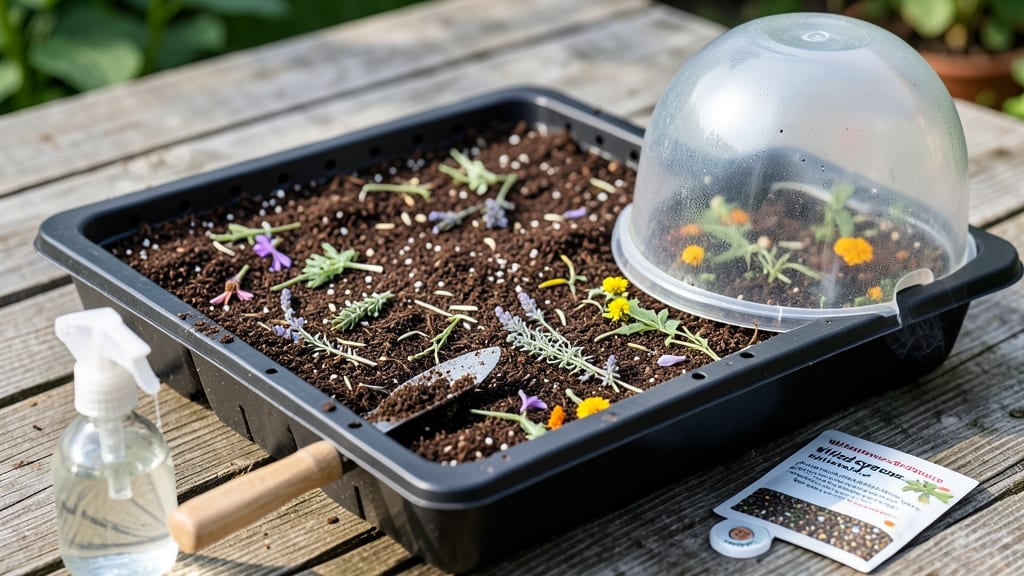
Wildflower seed germination time doesn’t follow the same rules as your annuals—they can take anywhere from 7 days to 6 months to pop through the soil, depending on the species and when you plant. 🌱 I've learned the hard way that patience (and the right timing) is everything when sowing native wildflowers, because rushing or planting too late can leave you staring at bare soil all season.
Most wildflowers need cool soil temperatures (50-60°F) to germinate, which is why fall planting often works better than spring for many species. Some, like poppies and larkspurs, emerge quickly in spring, while others, such as coneflowers and black-eyed Susans, may wait until the following year.
The key is matching your seeds to your climate—dryland species need winter moisture, while wetland types might need spring flooding cues.
You'll see the first tiny shoots within 2-4 weeks for fast germinators, but don't be surprised if others take months. The payoff? A meadow that blooms for months instead of weeks, with flowers that attract pollinators all season long.
The secret is simple: plant at the right time, keep the soil consistently moist (but not soggy), and resist the urge to disturb the seedbed.
For slow starters, a warm stratification trick (chilling moist seeds in the fridge for 4-8 weeks) can jumpstart germination. And if you're in a warm climate, winter rains often do the work for you—just scatter seeds in late fall and let nature handle the rest.
The right timing turns a gamble into a guaranteed showstopper.
📚 In This Guide
- What you need
- Instructions
- Tips and common mistakes
- Wrapping up and next steps
What you need
- ● Wildflower seeds: Choose native or regionally adapted varieties (e.g., Echinacea, Lupinus, or Coreopsis). Aim for 1-2 lbs per 100 sq ft for optimal coverage.
- ● Seed trays or containers: 4–6" deep with drainage holes (e.g., biodegradable peat pots or plastic trays). 4–6 trays for small-scale planting.
- ● Potting mix: Lightweight, well-draining blend (e.g., 50% peat moss + 50% perlite/sand). 1–2 cubic feet per tray.
- ● Watering can or spray bottle: Gentle misting function to avoid displacing seeds.
- ● Clear plastic wrap or humidity dome: To retain moisture during germination.
- ● Grow lights or sunny windowsill: For indoor starts (if sowing early). 12–16 hours of light/day is ideal.
- ● Labeling tags: Waterproof markers or sticks to track seed types and planting dates.
- ● Gloves: Protect hands from prickly seeds (e.g., Lupinus).
- ● Seed starter fertilizer: Low-dose (e.g., 5-10-5 ratio) to boost early growth. ½ tsp per gallon of water.
- ○ Heat mat (optional): Speeds germination for slow starters (e.g., Delphinium) by 5–10°F above room temp.
- ● Outdoor planting tools: Rake, hoe, or transplanting trowel for direct sowing.
- ○ Mulch (optional): Straw or shredded leaves to retain moisture post-germination.
How to time wildflower seed germination for seasonal success
Timing matters more than you think—plant too early or late, and you’ll miss peak blooms entirely.
🌱 Step 1: Research Your Wildflower Species’ Cold Stratification Needs
Most wildflower seeds require a period of cold moisture to break dormancy—a process called cold stratification. Check your seed packet for specific requirements, but generally, spring-blooming varieties (like bluebells or columbine) need 60-90 days of cold before planting, while summer-bloomers (like black-eyed Susans) often tolerate shorter periods.
If your seeds aren’t pre-stratified, replicate winter conditions by placing them in a sealed bag with damp peat moss or paper towels, then refrigerating for the required duration. I like to label each bag with the variety and start date—this prevents mix-ups when germination finally happens.
⏰ Step 2: Plant at the Optimal Seasonal Window
For spring germination, sow seeds 4-6 weeks before your last frost date—this ensures they’ve softened enough to sprout as soil warms. Summer-blooming varieties can go in late spring to early summer, while fall-planted seeds (like poppies) often self-stratify naturally over winter.
Watch for soil temperature cues: Use a soil thermometer to confirm consistent 60-70°F for spring planting. If your climate swings wildly, opt for fall planting—many wildflowers germinate better when exposed to winter’s natural freeze-thaw cycles.
💧 Step 3: Maintain Moisture Without Overwatering
Once planted, keep the soil evenly moist but not soggy—wildflower seeds often rot if smothered in water. A light misting every 2-3 days (or daily in dry climates) is ideal. I use a fine-mist spray bottle to avoid disturbing seeds, especially in windy areas.
You’ll know moisture is right when the soil surface looks slightly damp but not glistening. Overwatering here is the #1 killer—it invites fungal diseases that wipe out seedlings before they emerge.
☀️ Step 4: Provide Light and Patience for Germination
Wildflower seeds need full sun (6+ hours daily) to germinate, but avoid planting until soil temperatures stabilize. If starting indoors, use a grow light 2-3 inches above trays—natural light alone often isn’t enough. You’ll see first true leaves in 10-30 days, depending on the species.
Here’s the thing—some seeds take months to sprout. Don’t give up after two weeks. I’ve had bluebonnet seeds sit dormant for 6 months before popping up in a single spring. Mark planting spots to track progress.
Tips & tricks for perfect wildflower seed germination timing
Timing wildflower seeds right can make the difference between a patch of vibrant blooms and a frustrating gardening failure. Here's what I've learned from years of trial and error with seasonal planting.
Cold Stratification Precision: When replicating winter conditions for Step 1, use a small plastic bag with a twist tie instead of a zip-top—it creates better moisture retention while allowing airflow. Place the bag in a sealed container with a damp paper towel to maintain consistent humidity. I've found that checking seed moisture weekly (by squeezing the bag—it should feel damp but not dripping) prevents mold while ensuring proper stratification. For seeds requiring 60-90 days of cold, set a calendar reminder exactly 60 days before your target planting date to avoid over-stratification, which can reduce viability.
Soil Temperature Secrets: The 60-70°F soil temperature range in Step 2 is your golden window, but don't rely solely on the thermometer. Press your finger into the soil—it should feel warm like a baby's skin, not hot like a summer sidewalk. I've seen seeds planted in "perfect" 65°F soil fail when the top inch was actually 80°F due to afternoon sun. For early spring plantings, water the soil the night before checking temperatures—moist soil conducts heat more evenly.
Germination Patience Strategy: That 10-30 day window for first true leaves in Step 4 is deceptive—some seeds like bluebonnets can take months. I've developed a simple tracking system: mark planting spots with toothpicks labeled with the date and variety. If nothing appears after 6 weeks, gently scratch the soil surface with a small stick to check for seedlings hiding beneath the surface. This prevents prematurely assuming failure when seeds might just be playing the long game.
Climate Adaptation: If you're in a region with unpredictable frost dates, consider planting a mix of spring and fall varieties. For example, combine spring-blooming bluebells (60-90 days cold) with fall-planted poppies (self-stratify naturally). This creates a staggered bloom sequence that extends your garden's beauty. Just be sure to clearly label each planting area to track which varieties are which—mixing them up leads to confusion when trying to troubleshoot germination issues.
Pro Tips for Wildflower Seed Germination Time
- Timing wildflower seeds right can make the difference between a patch of vibrant blooms and a frustrating gardening f...
- Cold Stratification Precision: When replicating winter conditions for Step 1, use a small plastic bag with a twist ti...
- Soil Temperature Secrets: The 60-70°F soil temperature range in Step 2 is your golden window, but don't rely solely o...
Frequently asked questions
Got questions about getting your wildflower seeds to sprout like clockwork? You’re not alone! Here are some of the most common concerns—and their answers—to help you plan with confidence.
When is the best time to plant wildflower seeds for the fastest germination?
The ideal planting window depends on your climate, but most wildflowers germinate best in early spring (March–April) or fall (September–October). Cool, moist soil triggers faster sprouting—avoid summer heat, which can dry seeds out before they wake up. Check your USDA hardiness zone for tailored timing!
How long does it take for wildflower seeds to germinate?
Germination times vary wildly! Some seeds (like poppies) sprout in 7–14 days, while others (e.g., black-eyed Susans) may take 2–4 weeks. Factors like soil temperature, moisture, and seed age play a role. Patience is key—some perennials may lie dormant for months before blooming!
What should I do if my wildflower seeds aren’t germinating?
Start with the basics: consistent moisture (keep soil damp but not soggy) and light exposure (most wildflowers need sunlight to germinate). If seeds are old (over 1 year), try stratification (mix with moist sand, refrigerate for 1–2 months). Avoid over-fertilizing—wildflowers thrive in lean soil!
Can I plant wildflower seeds in summer for fall blooms?
Summer planting is risky but possible for heat-tolerant varieties (like sunflowers or zinnias). For best results, opt for late summer (August) and water deeply 2x daily. Most wildflowers prefer cooler temps to establish roots. If you’re eager for color, consider annuals like cosmos—they germinate faster in warm soil!
Do I need to scarify or pre-treat wildflower seeds?
Many wildflower seeds have hard coats that need breaking down. Try nicking (lightly scratching with sandpaper) or soaking in warm water for 24 hours. For stubborn seeds (e.g., lupines), stratification or a quick freeze-thaw cycle mimics winter’s natural cues. Always check seed packet instructions first!
Wrapping up and next steps
Growing wildflowers from seed is a rewarding journey—one where patience and timing unlock a burst of color and life! 🌸 Whether you’re planting in spring, fall, or even winter (for cold-hardy species), understanding germination windows and seasonal cues ensures your garden thrives.
Now that you’re armed with the right knowledge, take the next step: sketch a simple planting calendar for your region, mark key dates, and gather your seeds. Soon, you’ll be enjoying a vibrant, pollinator-friendly haven that blooms with ease—and maybe even inspire others to join the wildflower revolution!