
Planting
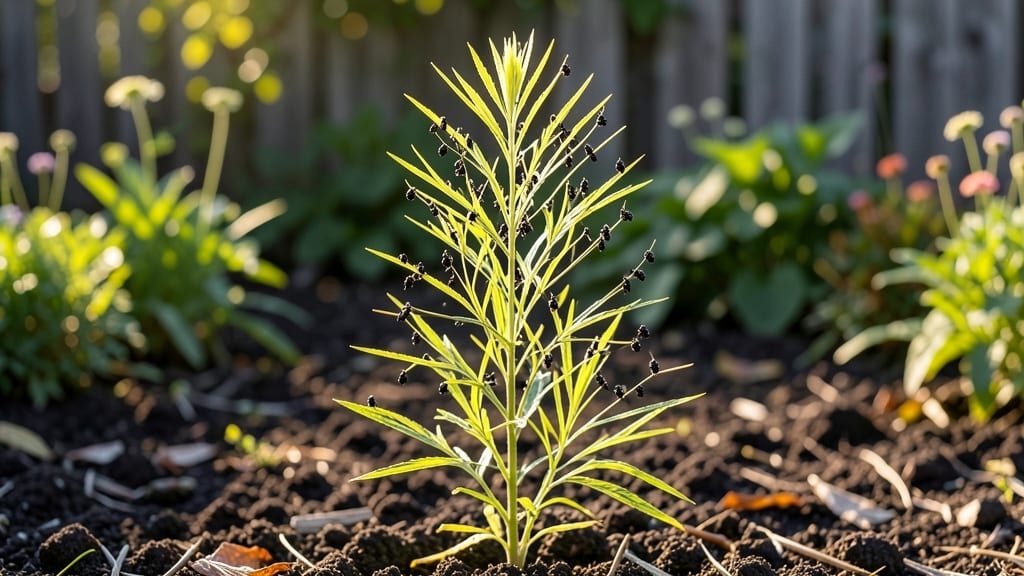
Fast germination in lightweight loam is what makes the nyjer seed plant so special. 🌱 I've grown them for years, and the key is mimicking their natural habitat—well-draining soil, consistent moisture, and warmth. These tiny seeds sprout within days when conditions are just right, unlike many plants that take weeks.
The secret isn't complicated: start indoors in a shallow tray with a mix of lightweight potting soil and perlite. Keep it warm (around 70°F) and moist but never soggy. Outdoor planting works too, but timing matters—wait until soil temps hit 60°F before sowing directly.
Once sprouted, nyjer plants grow fast, reaching maturity in about 6-8 weeks. They thrive in full sun and need minimal fertilization, making them perfect for both gardeners and wildlife lovers. The delicate blooms attract finches and other birds, adding a lively touch to your yard.
For best results, avoid overwatering and watch for pests like aphids. With the right care, you'll have a lush, productive plant that blooms all season long. Here's how to keep them happy!
📚 In This Guide
- What you need
- Instructions
- Tips and common mistakes
- Wrapping up and next steps
What you need
- ● Nyjer seeds (Thlaspi arvense): 1–2 oz (30–60g) for a small container or 4–6 oz (120–180g) for a larger tray.
- ● Lightweight loam soil mix: 1–2 gallons (3.8–7.6L) per container (ensure it’s well-draining and nutrient-light).
- ● Small seed-starting trays or pots: 2–4" (5–10cm) deep, with drainage holes (cell packs or biodegradable pots work great!).
- ● Misting bottle or spray nozzle: For gentle watering to avoid displacing tiny seeds.
- ○ Clear plastic dome or plastic wrap: To create a humidity tent (optional but highly recommended for fast germination).
- ● Grow lights or sunny windowsill: Nyjer seeds thrive in bright, indirect light (6+ hours/day).
- ● Fine-tip tweezers or toothpick: For careful seed placement (nyjer seeds are tiny—think poppy seeds!).
- ● Small hand trowel: For gently pressing soil over seeds.
- ○ pH testing kit (optional): Aim for a soil pH of 6.0–7.0 (nyjer seeds prefer slightly acidic to neutral soil).
- ● Fertilizer (balanced, water-soluble): Diluted to half-strength once seedlings sprout (e.g., 5-5-5 or 10-10-10).
- ○ Heating mat (optional): Speeds up germination if temps dip below 60°F (15°C).
- ● Notebook & pen: Track planting dates, watering schedules, and germination progress!
How to plant nyjer seeds for rapid germination
Here's the method I've used for years to get nyjer seeds sprouting within days—not weeks.
🌱 Step 1: Prepare the Lightweight Loam Mix
Nyjer seeds need a fast-draining, airy medium to prevent rot while keeping moisture consistent. Mix 1 part perlite with 3 parts lightweight loam (or a cactus/succulent mix) to create a gritty texture that mimics their native rocky soil. I sift the perlite first to break up any clumps—nyjer seeds are tiny, and you want them to settle into the mix, not float on top.
Moisten the blend just enough to hold together when squeezed—it should crumble easily between your fingers, not stick. Too much water creates a compacted mess that suffocates seeds. Fill your shallow tray or small pots, leaving ½ inch of space at the top for watering. Press down lightly to eliminate air pockets, but don't compact it.
💧 Step 2: Sow Seeds for Maximum Coverage
Nyjer seeds are 0.1 inch long—about the size of a pinhead—so I use a fine-mesh sieve to distribute them evenly. Sprinkle them over the surface like dusting flour, aiming for 100-150 seeds per square foot. Gently tap the tray to help them settle into the crevices of the mix. Covering them with additional soil would bury them too deep, delaying germination.
Mist the surface with a spray bottle until the top layer looks uniformly damp but not soggy. A heavy watering would wash seeds together, creating clumps that rot. Place the tray in a clear plastic bag (like a gallon ziplock) to trap humidity—nyjer seeds need 80-90% humidity to germinate quickly. Seal it loosely and set it in a warm spot (70-75°F).
☀️ Step 3: Maintain Ideal Conditions for Sprouting
Check the tray daily for condensation on the bag—this tells you the humidity is perfect. If the bag fogs up, the seeds have enough moisture. If it stays clear, mist lightly again. You'll see first sprouts in 3-5 days under these conditions, though some may take up to 7 days. Don't rush to remove the bag until 50% of seeds have sprouted—removing it too soon dries out the delicate seedlings.
Once seedlings emerge, unzip the bag daily for 10 minutes to harden them off. After 7 days, remove it entirely. Place the tray under bright, indirect light (a south-facing window or grow light) to prevent leggy growth. Nyjer seedlings are light-sensitive—direct sun at this stage can scorch them. Watch for first true leaves (small, rounded, and dark green) to appear in 7-10 days total.
✂️ Step 4: Thin and Transplant for Healthy Growth
When seedlings reach ½ inch tall, thin them to 2 inches apart using small scissors or your fingers. Pull gently but firmly—nyjer roots are shallow, and crowded plants compete for nutrients. I transplant the strongest seedlings into 2-inch pots filled with the same lightweight mix, burying them just below the soil line. This prevents transplant shock, which nyjer seedlings are prone to.
Water from the bottom after transplanting to avoid disturbing the roots. Keep the soil slightly moist but never soggy—nyjer plants hate wet feet. Within 2 weeks, you'll see compact, bushy growth if conditions are right. The key is consistency: no overwatering, no direct sun until established, and no sudden temperature drops below 60°F.
Tips & tricks for perfect nyjer seed germination
Fast germination isn't luck—it's precision. Here's how to turn those tiny seeds into thriving plants in record time.
Medium Texture Matters: The perlite-to-loam ratio (1:3) is non-negotiable for nyjer seeds. I've tried heavier mixes, and they either compact too much or drain too quickly. For even better aeration, I add a handful of coarse sand to the blend—just enough to create tiny air pockets where those pinhead seeds can nestle. Think of it like creating a mini rocky desert ecosystem in your tray.
Seed Distribution Secret: That fine-mesh sieve isn't just for even coverage—it's about seed-to-soil contact. When I tap the tray after sowing, I'm not just settling seeds; I'm creating micro-cracks in the surface where moisture can pool just enough to trigger germination. If you don't tap, you'll get uneven sprouting and some seeds might stay dormant for weeks.
Humidity Hack: The plastic bag creates that crucial 80-90% humidity, but here's the trick: poke 2-3 tiny holes in the bag if you notice water droplets forming on the sides. This prevents condensation from turning into a suffocating water film on the seeds. I test humidity by pressing a finger against the bag—if it feels damp but not wet, you're in the perfect zone.
Light Sensitivity Watch: Nyjer seedlings are like sunburn-prone toddlers—they need bright light but not direct sun. I place mine under a sheer curtain that filters 70% of sunlight. If you don't have that, a north-facing window works best. The goal is to see them grow vertically, not stretch like they're reaching for the sky.
Pro Tips for Nyjer Seed Plant
- Fast germination isn't luck—it's precision. Here's how to turn those tiny seeds into thriving plants in record time.
- Medium Texture Matters: The perlite-to-loam ratio (1:3) is non-negotiable for nyjer seeds.
- Seed Distribution Secret: That fine-mesh sieve isn't just for even coverage—it's about seed-to-soil contact.
Frequently asked questions
Got questions about growing nyjer seeds?
Here are some of the most common ones—plus quick, practical answers to help you succeed!
How long does it take for nyjer seeds to germinate?
Nyjer seeds are fast! With the right conditions (warmth, moisture, and lightweight soil), you’ll see sprouts in just 5–14 days. Keep the soil consistently moist but not soggy, and place your tray in a warm spot (70–75°F) for the best results. Patience pays off—tiny green shoots will appear before you know it!
Can I plant nyjer seeds outdoors in cold climates?
Nyjer seeds hate cold soil. If your last frost date is still months away, start them indoors 6–8 weeks before transplanting. For outdoor planting, wait until soil temps are at least 60°F (use a soil thermometer to check!). If you’re in a short-season zone, opt for container growing or a greenhouse to extend the season.
What’s the best alternative if nyjer seeds won’t germinate?
If your seeds refuse to sprout, try these foolproof alternatives:
Homegrown nyjer seeds are 100% safe for birds like finches, goldfinches, and chickadees. Just ensure you’ve not used chemical pesticides or fertilizers. Harvest seeds when they’re fully mature (dry and brown) and store them in a cool, dark place. Bonus: Wild birds will love your garden as a natural feeder! Leggy seedlings mean they’re stretching for light. Fix it fast with these steps:
Pro tip: Test a few seeds by placing them between damp paper towels—if they don’t sprout in 7 days, they’re likely bad.
Are nyjer seeds safe for birds if I grow them myself?
What should I do if my nyjer seedlings look leggy or weak?
Pro tip: If they’re already too tall, bury them deeper when transplanting—the lower stem will root!
Wrapping up and next steps
Growing a nyjer seed plant is a rewarding experience—especially when you see those vibrant blooms emerge from fast germination in lightweight loam! With the right mix of patience, preparation, and care, you’ll enjoy a stunning addition to your garden or bird-feeding setup. 🌱
Ready to take the next step? Start by planting your seeds today—whether in pots, garden beds, or even a DIY nyjer seed mix for birds. Share your progress or ask questions in gardening forums to connect with fellow plant enthusiasts!