
Propagation
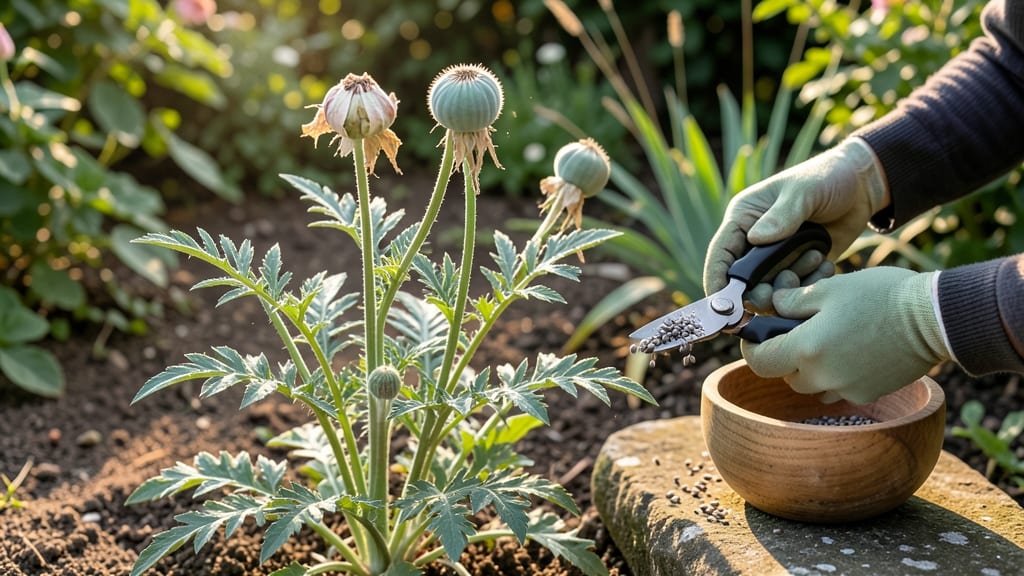
Growing breadseed poppy seeds from scratch starts with a simple trick—cold-stressing them for reliable blooms. ✨ I’ve learned that skipping this step means waiting months for germination, but with a few weeks in the fridge, those tiny seeds pop up in days, ready to transform your garden into a sea of delicate red blooms.
The secret lies in mimicking their natural cycle: poppies thrive in cool climates and need that winter chill to break dormancy. You’ll need a shallow tray, damp paper towels, and patience—no fancy equipment, just a window and a little time.
Plant them outdoors after the last frost, and they’ll reward you with bold, papery blooms that last just a single day but make every spring unforgettable.
Once sprouted, these poppies are surprisingly low-maintenance. They love well-draining soil and full sun, but they’ll tolerate poor conditions better than most flowers. Water them lightly—too much moisture causes rot—and watch as they self-seed for years, creating a naturalized meadow that bees adore.
Perfect for cottage gardens, wildflower meadows, or even container pots. Here’s how to get those first sprouts without the wait—no more guessing when they’ll finally appear!
📚 In This Guide
- What you need
- Instructions
- Tips and common mistakes
- Wrapping up and next steps
What you need
- ● Breadseed poppy seeds: 1–2 packets (or ~50–100 seeds for small-scale growing). Choose Papaver somniferum varieties labeled for culinary or ornamental use.
- ○ Growing containers: Shallow trays (4–6 inches deep) with drainage holes, or individual pots (2–3 inches wide). Optional: Biodegradable peat pots for transplanting.
- ● High-quality seed-starting mix: Lightweight, sterile potting soil (avoid garden soil—it’s too dense!). Aim for a mix with perlite or vermiculite for aeration.
- ● Cold stratification supplies: Refrigerator or cold frame (35–40°F / 2–4°C).
- ● Plastic bag or sealed container with a damp paper towel (for moisture).
- ● Spray bottle: For gentle watering (avoid over-saturating seeds!).
- ○ Fine-mist sprayer: Optional, for humidifying the growing environment.
- ○ Heat mat (optional): If extending your growing season in cooler climates (70–75°F / 21–24°C for germination).
- ● Grow lights or sunny windowsill: 6–8 hours of light daily post-stratification.
- ● Small hand trowel or spoon: For transplanting seedlings.
- ● Patience: Poppy seeds need 6–8 weeks of cold stratification before germination. Plan ahead!
- ● Consistent moisture: Keep soil damp (not soggy) during stratification and germination.
- ● Sunlight access: Poppies thrive in full sun (6+ hours/day) but can tolerate partial shade.
- ● Thinning tools: Scissors or your fingers to separate seedlings once they sprout.
Step-by-step instructions for growing breadseed poppy seeds
Here's the method I rely on to coax reliable blooms from these finicky seeds—no guesswork involved.
🌱 Step 1: Cold-Stress Seeds for Viability
Breadseed poppies need a cold treatment to break dormancy. Place your seeds in a sealed plastic bag with a damp paper towel—just enough moisture to feel slightly damp, not soggy. Seal the bag and refrigerate for 2-3 weeks at 35-40°F. This mimics winter's natural chilling period and dramatically improves germination rates.
Check the bag weekly. If the towel dries out, mist it lightly with water and reseal. You'll know it's working when the seeds look plump and slightly swollen. This step is non-negotiable—skipping it results in patchy germination or no blooms at all.
🪴 Step 2: Prepare Containers and Plant
Fill small pots or seed trays with a light, well-draining mix—I use a blend of 50% potting soil and 50% perlite. Poppy seeds are tiny, so I sprinkle them directly on the surface without covering. Press them gently into the soil with your fingertip—just enough to make contact, no deeper.
Keep the soil consistently moist but never soggy. A spray bottle works best here—watering from above can wash seeds away. Place the containers in a cool, bright spot (60-65°F) with indirect light until germination. You'll see tiny green sprouts in 10-20 days, but don't be surprised if some take longer.
☀️ Step 3: Provide Gradual Sun Exposure
Once seedlings emerge, move them to a location with full sun (6+ hours daily). Start with 2-3 hours of morning sun and gradually increase exposure over 5-7 days to avoid shocking tender plants. You'll notice leaves turning a deeper green as they adapt—this is your cue they're handling the light well.
Thin seedlings to 4-6 inches apart when they develop their first true leaves. Use scissors to snip unwanted sprouts at soil level rather than pulling—this prevents disturbing roots. Poppies hate competition, so maintaining space ensures strong, sturdy stems ready for blooms.
💧 Step 4: Water and Fertilize Strategically
Water at the base of plants in the morning to allow foliage to dry before evening. Poppies despise wet feet, so avoid overhead watering. You'll know you're doing it right when the soil feels dry 1 inch below the surface before each watering. Fertilize lightly with a balanced 10-10-10 formula every 4-6 weeks—too much nitrogen produces lush leaves but few blooms.
Watch for leggy growth (long, thin stems with sparse leaves). This signals insufficient light or overcrowding. If you see it, move plants to a sunnier spot immediately. The goal is compact, sturdy plants that channel energy into blooms rather than foliage.
⏰ Step 5: Monitor for Blooms and Harvest
Breadseed poppies typically bloom 60-90 days after planting, depending on your climate. You'll see buds form first—bright green and tightly closed. When they open into delicate, cup-shaped flowers, they're ready for harvest. Pick blooms in the morning when dew is still on the petals for the best flavor and color.
Leave a few flowers on the plant to reseed naturally if you want next year's crop to appear effortlessly. The dried seed pods will split open on their own, scattering seeds for future growth. For immediate use, lay harvested flowers on a paper towel in a dry, dark place for 1-2 weeks to dry completely before storing in an airtight container.
Tips & tricks for perfect breadseed poppy cultivation
Here's what nobody tells you about getting those elusive poppy blooms—these are the tricks that separate success from frustration.
Cold-Stress Precision: That 2-3 week cold treatment is non-negotiable, but here's the secret: use a refrigerator with consistent 35-40°F temps—avoid door shelves where temps fluctuate. I wrap the bag in a thin towel to absorb any condensation that might form. The seeds should look visibly plump after 2 weeks, not just slightly swollen. If they're still shriveled, give them another week—don't rush this critical step.
Germination Timing: The 10-20 day window for sprouts to appear can feel like an eternity, but here's how to stay patient: mark your calendar when you plant and check daily after day 10. Use a bright grow light if natural light is insufficient—poppy seedlings need light to prevent "leggy" growth right from the start. I keep a small notebook by my seed trays to track which seeds sprout first (often a clue about seed viability).
Sun Transition Strategy: When you're gradually increasing sun exposure in Step 3, think of it like sunbathing—start with just 2-3 hours in the morning shade and move to full sun over 5-7 days. I place my seedlings near an east-facing window first, then gradually rotate them toward south-facing windows. Watch for leaves that look slightly wilted after moving—they're telling you to slow down the transition. This prevents the shock that causes seedlings to bolt (flower too early) or burn.
Harvesting Secret: Those delicate cup-shaped blooms are best picked in the morning when dew is still present. Here's my pro move: I harvest by gently twisting the stem at the base rather than cutting—this prevents damaging the plant's energy flow. For drying, I lay them flat on a clean paper towel in a single layer, never overlapping. The 1-2 week drying time is critical—if you rush it, the seeds won't store properly and may lose viability.
Pro Tips for Breadseed Poppy Seeds
- Here's what nobody tells you about getting those elusive poppy blooms—these are the tricks that separate success from...
- Cold-Stress Precision: That 2-3 week cold treatment is non-negotiable, but here's the secret: use a refrigerator with...
- Germination Timing: The 10-20 day window for sprouts to appear can feel like an eternity, but here's how to stay pati...
Frequently asked questions
Can breadseed poppy seeds be grown from store-bought seeds?
Yes! Store-bought breadseed poppy seeds (Papaver somniferum) are often sterile (non-opium-producing) and perfect for growing. Just ensure they’re labeled as "breadseed" or "culinary poppy" to avoid confusion with illegal varieties. Look for seeds from reputable seed companies like Baker Creek or Seed Savers Exchange for guaranteed viability.
How long does it take for breadseed poppies to germinate and bloom?
Germination typically occurs in 7–14 days under ideal conditions (consistent moisture, 60–75°F soil temps). From seed to bloom, expect 60–90 days in cool climates or 45–60 days in warm regions. Cold-stratification (4–6 weeks in the fridge) can speed up germination for slower starters.
Why do my poppy seeds need cold treatment, and how do I do it?
Breadseed poppies are cold-stressed to break dormancy. Place seeds in a damp paper towel, seal in a plastic bag, and refrigerate for 4–6 weeks. This mimics winter conditions, ensuring higher germination rates. Skip this step in mild climates, but expect slower or uneven sprouting.
What can I do if my poppy seeds won’t germinate?
Try these fixes:
- Check moisture: Keep soil consistently damp (not soggy) during germination.
- Test seed viability: Soak a few seeds in water overnight—floating seeds may be dead.
- Adjust timing: Sow in early spring or late summer for cooler soil temps.
- Use a heat mat: If your area is too warm, a seedling heat mat (70–75°F) can help.
Are there alternatives to breadseed poppies for quick blooms?
Yes! For fast-growing annuals with similar charm, try:
- California poppies (Eschscholzia californica) – Drought-tolerant, blooms in 6–8 weeks.
- Cornflowers (Centaurea cyanus) – Self-seeds easily, blooms in 8–10 weeks.
- Sweet alyssum (Lobularia maritima) – Fragrant, blooms in 4–6 weeks.
Wrapping up and next steps
Growing breadseed poppy seeds with cold-stressed viability is a rewarding way to ensure reliable blooms and a bountiful harvest! 🌱 By following the right techniques—like proper soil prep, strategic cold treatment, and patient care—you’ll unlock their full potential.
Whether you’re a seasoned gardener or just starting out, these steps make the process simple and successful.
Ready to take the next step? Grab your seeds, prep your garden, and watch those vibrant blooms transform your space. Happy planting—your future harvest awaits! 🌸