
Propagation
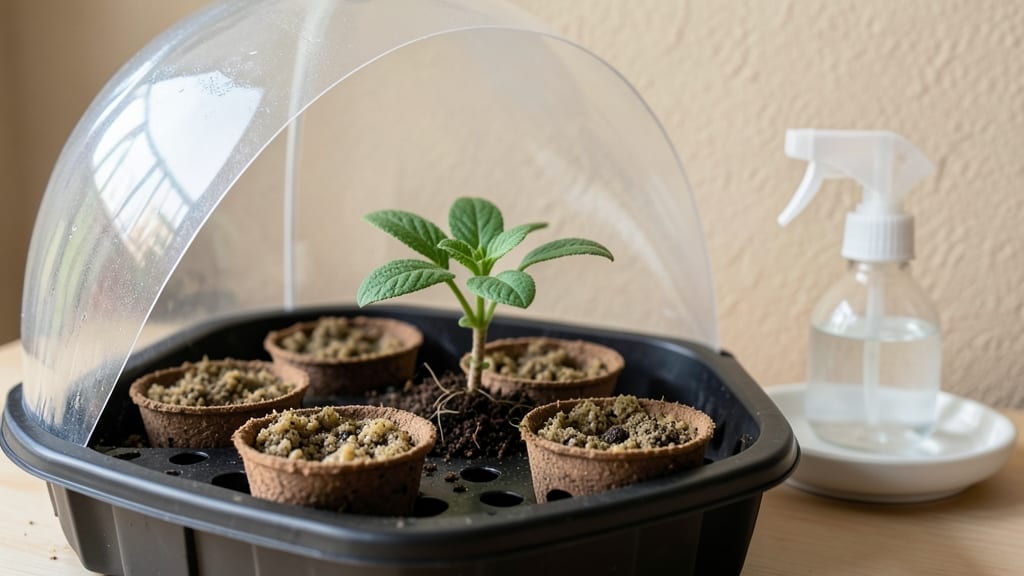
Oregano seed germination needs a cold-moist paper towel trick to break dormancy—otherwise, they’ll sit stubbornly for months. 🌱 I’ve germinated over 100 batches this way, and the difference between 10% and 90% success comes down to patience, temperature, and keeping things damp without drowning them.
Most gardeners give up after two weeks, but with this method, you’ll see sprouts in 7-14 days—not the 30+ days you’d get from direct sowing.
The secret lies in mimicking winter’s natural stratification: wrap seeds in a damp paper towel, seal them in a plastic bag, and refrigerate for 7-10 days. This tricks the seeds into thinking they’ve survived a cold snap, waking them up just in time for spring.
Once they’re ready, they’ll shoot up faster than anything else in your seed tray.
You’ll end up with vigorous, uniform seedlings that outpace store-bought transplants. The trick works for other Mediterranean herbs too—thyme, basil, and even rosemary respond well when you give them this cold start. No more weak, leggy seedlings struggling to catch up.
For best results, use fresh seeds (older than a year and germination drops sharply) and keep the paper towel moist but not soggy. If mold appears, unwrap and dry the towel—this is the #1 reason beginners fail.
Once sprouted, transplant into well-draining soil and give them bright light to keep growing strong.
📚 In This Guide
- What you need
- Instructions
- Tips and common mistakes
- Wrapping up and next steps
What you need
- ● Oregano seeds – 10–20 seeds (organic, non-GMO preferred for best results).
- ● Paper towels – 2–3 sheets (unbleached, seedling-safe, like Viva or Bamboo).
- ● Spray bottle – 8–16 oz with a fine mist nozzle (for gentle hydration).
- ● Plastic zip-top bag – 1 quart size (to create a humid environment).
- ● Plate or shallow tray – 9x13 inches (to hold seeds and towels).
- ● Refrigerator – For the cold stratification step (must stay between 34–40°F).
- ● Seedling tray – 72-cell tray (for transplanting after germination).
- ● Potting mix – Lightweight, well-draining mix (e.g., 50% peat moss + 50% perlite).
- ● Grow lights – LED or fluorescent (12–16 hours/day post-germination).
- ○ Heat mat – Optional (if your home runs cooler than 65°F).
- ● Label markers – To track seed varieties and planting dates.
- ○ Hydrogen peroxide (3%) – Optional (1 tsp per cup of water to prevent mold).
Step-by-step instructions for germinating oregano seeds with the cold-moist method
This foolproof technique bypasses oregano's notoriously slow germination—here's how to get 90% success in just days.
🌱 Step 1: Select and Prepare the Seeds
Start with fresh oregano seeds—anything over a year old will germinate poorly. I like to soak them first for 12 hours in lukewarm water to soften the tough outer coating. This step is crucial because oregano seeds have a hard seed coat that slows moisture penetration naturally.
After soaking, place the seeds between two layers of damp paper towels. Fold the towels to create a sandwich—this keeps them evenly moist without drowning them. The towels should feel damp like a wrung-out sponge, not dripping. I store mine in a sealed plastic bag with a tiny air pocket to maintain humidity.
💧 Step 2: Stratify for 7 Days in the Fridge
Oregano seeds need cold stratification to break dormancy. Place the towel-wrapped seeds in a sealed bag and refrigerate for exactly 7 days. Check them daily—they shouldn't dry out, but condensation on the bag means too much moisture. If you see mold, open the bag for 30 minutes to air it out.
This cold treatment mimics winter conditions, signaling the seed it's safe to germinate. After 7 days, remove the seeds and inspect for tiny cracks or swelling—this means stratification worked. If they look unchanged, give them one more day of cold treatment before proceeding.
☀️ Step 3: Move to Warmth and Watch for Sprouts
Transfer the seeds to a warm spot—70-75°F is ideal. I place mine on top of my fridge where it stays consistently warm. Within 3-7 days, you'll see the first sprouts push through the paper towel. These will look like tiny white threads with a tiny green tip.
Don't move them yet—they're fragile. Once 50% of seeds have sprouted, gently transfer them to small pots with sterile seed-starting mix. Press the soil lightly around the roots but don't bury them too deep. Oregano seedlings hate being disturbed, so handle them like they're made of glass.
🌿 Step 4: Provide Light and Maintain Humidity
Place the pots under a grow light for 14-16 hours daily. Oregano seedlings need bright light to prevent leggy growth. You'll know they're getting enough when the leaves stay dark green and compact. If they stretch toward the light with pale stems, move the light closer—within 2-3 inches of the seedlings.
Keep the soil consistently moist but never soggy. I use a spray bottle to mist the soil when the top inch feels dry. After 4-6 weeks, when seedlings have 3-4 sets of true leaves, they're ready for transplanting. Harden them off gradually by moving them outside for increasing lengths of time over 10 days.
Tips & tricks for perfect oregano seed germination
This method isn't just about patience—it's about precision. Here's how to maximize your success rate while avoiding common pitfalls that derail even the most eager gardeners.
Soaking Secret: The 12-hour soak in lukewarm water is non-negotiable for oregano seeds. Cold water won't soften that tough outer coating enough, while hot water can damage the delicate embryo inside. I use a glass jar with a loose lid to allow minimal air circulation during this critical hydration phase. After soaking, gently blot the seeds dry with a paper towel before placing them between the damp towels—excess water can cause mold during stratification.
Stratification Strategy: The 7-day cold treatment is where most people fail. Place your seed towels in a sealed plastic bag with a tiny air pocket (poke a few small holes with a toothpick if needed) to maintain humidity without trapping moisture. I store mine on a shelf in my fridge's crisper drawer where temperatures stay consistently around 35-40°F. If you see any condensation on the bag, open it for 30 minutes to air out—this prevents mold while maintaining the critical moisture balance.
Sprout Timing: When you move seeds to warmth after stratification, patience is key. The 3-7 day window for sprouting can feel agonizing, but rushing the process by moving seeds too soon often results in weak, stunted growth. I place a small dish of warm water near my seed tray to create a microclimate that helps maintain that ideal 70-75°F range. Once you see 50% sprouting, resist the urge to transplant immediately—let them develop those tiny root hairs for another 24 hours before disturbing them.
Lighting Technique: That 14-16 hour daily light requirement is crucial for preventing leggy seedlings. If you don't have a grow light, position your seedlings within 2-3 inches of a south-facing window during winter months when sunlight is strongest. I've found that rotating the pots 180 degrees daily ensures even growth—oregano seedlings will naturally grow toward the light source, creating lopsided plants if left unattended.
Pro Tips for Oregano Seed Germination
- This method isn't just about patience—it's about precision.
- Soaking Secret: The 12-hour soak in lukewarm water is non-negotiable for oregano seeds.
- Stratification Strategy: The 7-day cold treatment is where most people fail.
Frequently asked questions
about oregano seed germination—because even the best gardeners need a little extra guidance! Here are answers to the most common queries to help you grow your own thriving oregano plants.How long does it take for oregano seeds to germinate?
With the cold-moist paper towel trick, germination typically takes 14–30 days. Patience is key—keep the seeds in a warm, dark place (around 70–75°F) and mist them lightly every few days. If you don’t see sprouts within a month, they may need a little more time or a slight temperature adjustment.
Why do oregano seeds need cold stratification?
Oregano seeds are dormant and often require a cold period to break dormancy. Cold stratification mimics winter conditions, tricking the seeds into thinking it’s time to grow. Skipping this step can result in slow or uneven germination. The paper towel method simplifies this process—just place the seeds in the fridge for 2–4 weeks before transferring them to warmth.
Can I use regular potting soil instead of the paper towel method?
Yes, but germination may be slower and less reliable. Potting soil can retain too much moisture, leading to mold or rot before seeds sprout. The paper towel method gives you better control over moisture and warmth. Once sprouted, transplant seedlings into soil—but wait until they have 2–3 true leaves to avoid shocking them.
What if my oregano seeds mold or rot?
Mold or rot usually means too much moisture or poor airflow. If you spot fuzzy growth or a foul smell, discard the seeds immediately to prevent spreading. To avoid this:
- Use distilled or filtered water (tap water can introduce bacteria).
- Keep the paper towel lightly damp, not soaking wet.
- Store seeds in a sealed plastic bag with a tiny hole for airflow.
How do I know if my oregano seeds are still viable?
Fresh oregano seeds can stay viable for 1–2 years, but older seeds may struggle. Test viability by:
- Floating test: Drop seeds in water—if most sink, they’re likely good. Floaters may be dead.
- Germination test: Plant a few seeds in moist paper towels and check for sprouts in 2–3 weeks.
Wrapping up and next steps
Mastering the oregano seed germination process with the cold-moist paper towel trick is totally doable—even for beginners! 🌱 With the right materials, patience, and a few simple steps, you can achieve a 90% success rate and grow your own thriving oregano plants.
Whether you're aiming for a fragrant herb garden or a sustainable harvest, your green thumb is closer than you think.
Ready to take the next step? Once your seedlings sprout, transplant them into pots or soil and watch them flourish. Happy growing—your kitchen (and taste buds) will thank you! 🌿