Propagation
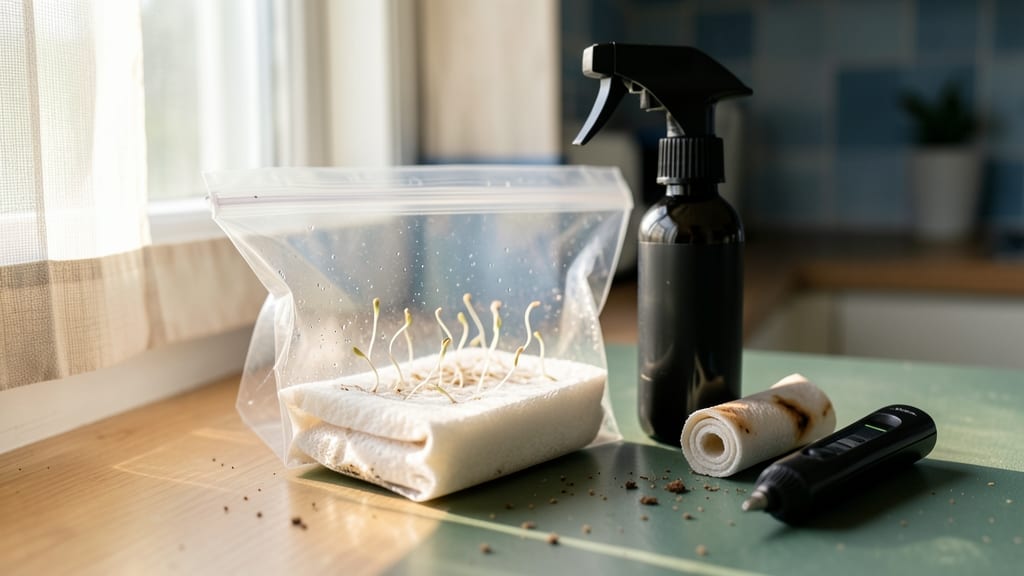
Starting seeds with paper towels cuts germination time in half—no fancy trays or soil needed. 🌱 I used to waste weeks waiting for seeds to sprout, but this method gets them popping in just 3-5 days with zero mess. The best part?
You’re recycling what you’d normally toss, and the whole process fits on your kitchen counter. You’ll need just three things: a roll of recycled paper towels, a spray bottle, and a plastic bag (or clear container).
The trick is keeping the towels damp but not soggy—think of a wrung-out sponge. Place seeds between folded towels, mist them, and seal in a bag to trap humidity. Check daily for tiny green cracks signaling new life.
Once those first leaves unfurl, you’ll transplant into soil when they’ve got two true leaves and a sturdy stem. The paper towel breaks down naturally, so no root disturbance. Watch your seedlings grow faster than anything you’ve ever started—no waiting months for blooms.
This works best for small seeds like lettuce, herbs, or flowers, but even tomatoes and peppers get a head start. Just avoid seeds that need light to germinate (like basil). Ready to try the fastest, greenest way to start your garden?
📚 In This Guide
- What you need
- Instructions
- Tips and common mistakes
- Wrapping up and next steps
What you need
- ● Paper towels: 2-3 unbleached, seedling-safe paper towels (avoid scented or recycled varieties).
- ● Seeds: Choose fast-germinating varieties like basil, lettuce, or herbs (10-20 seeds per towel, depending on size).
- ● Spray bottle: A fine-mist sprayer (8 oz or larger) for gentle hydration.
- ● Plastic bag or container: A ziplock bag (quart-sized) or a clear plastic container with a lid (e.g., takeout container).
- ○ Scissors or knife: For trimming paper towels to size (optional but handy).
- ● Plant labels: To track seed types (toothpicks + masking tape work great!).
- ● Grow lights or sunny windowsill: For consistent warmth (70–75°F is ideal).
- ● Hairspray or aerosol mist: Creates a mini greenhouse effect (use sparingly!).
- ● Seedling trays or pots: For transplanting once roots appear (2–4" pots work well).
Step-by-Step instructions for paper towel seed starting
Here's how to get those first sprouts popping in record time—no soil, no mess, just pure speed.
🌱 Step 1: Soak and Prepare Your Seeds
Start by placing 4-6 seeds (depending on size) in a shallow dish or small bowl. Add just enough lukewarm water to cover the seeds completely. Let them soak for 8-12 hours—this softens the outer shell and kickstarts germination. You'll know they're ready when the seeds swell noticeably and some may even crack open slightly.
Here's the thing—don't skip the soaking. Seeds like basil or lettuce, which have tough outer layers, need this extra step to break dormancy. If you're impatient, you can soak them overnight, but 12 hours max is ideal to avoid overhydration. Drain any excess water after soaking to prevent mold.
💧 Step 2: Fold and Moisten the Paper Towel
Lay a paper towel flat on a clean, dry surface. Fold it into a rectangle about 4x6 inches—big enough to hold your seeds without crowding. Lightly mist the towel with water until damp but not dripping. You want it to feel like a wrung-out sponge: enough moisture to support germination, but not soaking wet.
I like to use unbleached, seed-free paper towels—they're gentler on delicate seedlings. If you're using regular towels, avoid the colored edges, as they might contain chemicals that could inhibit growth. Place the damp towel on a tray or plate to catch any drips during the process.
🌿 Step 3: Arrange Seeds and Seal for Germination
Gently place your soaked seeds in a single row or small cluster on the damp paper towel. Space them about 1 inch apart to give their tiny roots room to stretch. Fold the towel over the seeds to create a sandwich, then roll it loosely into a cylinder or fold it into a loose packet. The goal is to keep the seeds enclosed but not compressed.
Place the folded towel in a ziplock bag (if using) or cover it with a clear plastic wrap secured with a rubber band. This creates a humid microclimate—critical for fast germination. Seal it just enough to trap moisture, but leave a tiny gap if using a bag to allow minimal airflow and prevent mold.
☀️ Step 4: Position for Warmth and Light
Store your seed packet in a warm, dark place—like on top of the fridge or inside a closed cabinet—to encourage germination. Most seeds sprout fastest at 70-75°F. Check daily for moisture; if the towel feels dry to the touch, mist it lightly with water and reseal. You'll see the first signs of life in 3-7 days, depending on the seed type.
This is the moment that matters: once the tiny roots break through the seed coat and the first green shoot appears, move the packet to bright, indirect light. Direct sunlight now will scorch those delicate sprouts. A south-facing window with sheer curtains works perfectly. Avoid fluorescent lights—they don't provide enough intensity for this stage.
🪴 Step 5: Transplant When Ready
When your seedlings have 1-2 true leaves and a visible root system (about 1-2 inches long), they're ready to move to soil. Unfold the paper towel gently to avoid damaging the roots. Hold the seedling by its leaves—not the stem—and place it in a small pot filled with moist potting mix. Press the soil lightly around the base to secure it.
Don't overwater now. The paper towel method keeps roots tender, so they'll need gentle care. Water just enough to keep the soil damp, and place the pot in a spot with bright, indirect light for a few days to help them adjust. You'll know they're thriving when they perk up and start growing faster than ever.
Tips & tricks for perfect paper towel seed starting
Here's what nobody tells you—these little tricks make all the difference between waiting weeks for sprouts and seeing them pop in days.
Soaking Secret: For seeds with extra-tough coats like parsley or chives, try soaking them in lukewarm water with a pinch of salt (just ¼ teaspoon) for those 8-12 hours. The salt helps break down the seed coat faster, and you'll notice sprouts appearing 24 hours earlier than with plain water. Just remember to rinse thoroughly before planting—those little roots are sensitive!
Temperature Matters: The 70-75°F range in Step 4 is your sweet spot, but here's the thing: if your kitchen runs cooler, place your seed packet on top of your fridge (not inside) where it'll naturally be warmer. For extra speed, you can even wrap the ziplock bag in a thin towel and place it on a sunny windowsill for a few hours—just move it to warmth at night. I've seen basil seeds sprout in 3 days using this trick!
Light Transition: When you move your sprouts to light in Step 4, here's a pro tip: place them under a simple desk lamp with a cool white bulb for the first 24 hours. This gives them a gentle introduction to light before full sun exposure. Avoid LED grow lights at this stage—they can be too intense for tender sprouts. Watch for that first true leaf to unfurl before giving them full sun.
Transplanting Hack: In Step 5, when it's time to move your seedlings to soil, here's how to minimize shock: give the paper towel a quick rinse under cool water to remove any residue, then gently tear it away from the roots. Place the entire seedling (towel and all) into the soil and cover with about ½ inch of potting mix. The paper towel will break down naturally, and your seedlings will thank you for the gentle transition.
Pro Tips for Paper Towel Seed Starting
- Here's what nobody tells you—these little tricks make all the difference between waiting weeks for sprouts and seeing...
- Soaking Secret: For seeds with extra-tough coats like parsley or chives, try soaking them in lukewarm water with a pi...
- Temperature Matters: The 70-75°F range in Step 4 is your sweet spot, but here's the thing: if your kitchen runs coole...
Frequently asked questions
Got questions about paper towel seed starting?
You’re not alone! Here are answers to the most common concerns—so you can sprout like a pro with minimal waste.
Can I reuse paper towels for multiple seed batches?
It’s not recommended. Paper towels absorb moisture and can harbor mold or bacteria after one use. For zero-waste consistency, opt for unbleached, seed-free towels or compost them after sprouting.
How long does it take for seeds to germinate in paper towels?
Germination time varies by seed type, but most fast growers (like radishes or beans) sprout in 3–7 days with proper moisture and warmth. Check daily—once the root breaks through, it’s time to transplant!
What if my seeds aren’t sprouting? Troubleshooting tips?
Try these fixes:
- Check moisture: Towels should stay damp (not soggy). Mist lightly if dry.
- Warmth matters: Place near a sunny window or use a heat mat (70–85°F ideal).
- Seed viability: Test a few seeds in water—if they float, they’re likely bad.
- Oxygen flow: Fold towels loosely to avoid suffocating sprouts.
Are there eco-friendly alternatives to paper towels?
Try:
- Coconut coir (reusable and biodegradable)
- Old cotton T-shirts (cut into strips)
- Mushroom compost (for heartier seeds like tomatoes)
Do I need a humidity dome or plastic wrap?
Not always! A sealed container with a lid (like a takeout box) mimics humidity. If using plastic wrap, poke holes for airflow to prevent mold. Monitor daily—once sprouts emerge, remove the cover to avoid leggy growth.
Wrapping up and next steps
Starting seeds in paper towels is a game-changer—it’s fast, eco-friendly, and perfect for impatient gardeners! 🌱 With just a few simple steps, you’ll see sprouts in days, not weeks, while cutting waste. This method is ideal for herbs, veggies, and flowers, making it a must-try for any plant lover.
Now that you’re ready to dive in, grab those seeds and a paper towel—your green thumb adventure starts today! 🌟 Check out our full step-by-step guide to get growing.