
Lawn
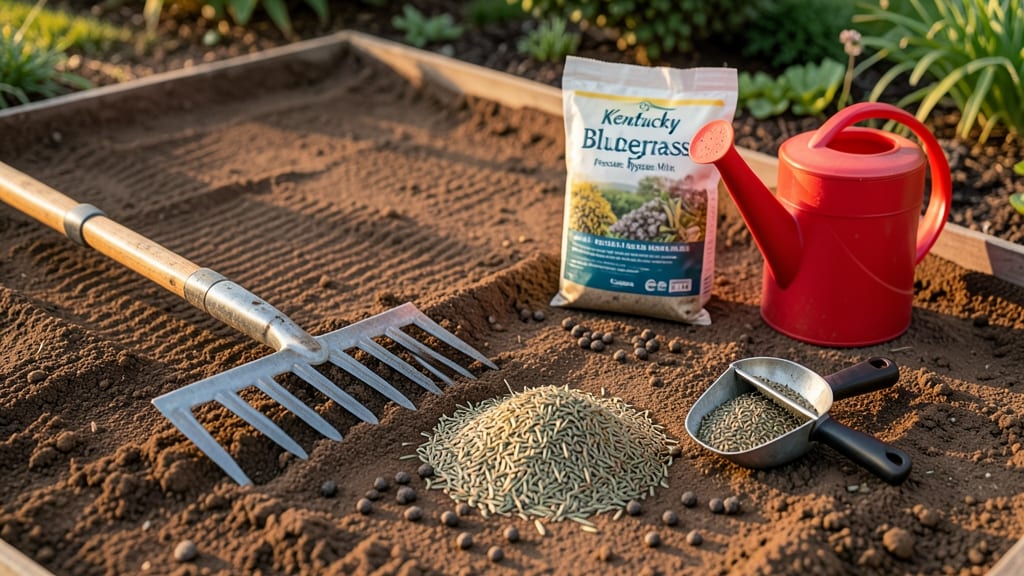
Fall is the perfect time to put grass seed down—when cooler air and steady rains work with nature to create a lawn that rivals any spring planting. 🌱 I learned this the hard way after my first summer sowing attempt left patchy, weak grass that struggled through heat waves.
The secret lies in timing: cool-season grasses like Kentucky bluegrass and tall fescue germinate best when soil temps hover between 60-75°F, which happens naturally in early fall.
You'll need a few simple supplies: a rake for soil prep, a spreader for even distribution, and a hose with a gentle spray nozzle. The real magic happens in the soil—loosening compacted areas and mixing in a thin layer of compost gives seeds the ideal start.
Most importantly, commit to regular watering: keep the soil consistently moist (not soggy) for the first 2-3 weeks, which is when those tiny roots establish themselves.
By late October, you'll see lush, dark green blades pushing through the soil, and by spring, your lawn will be thicker and more resilient than ever. The fall-planted grass also outcompetes weeds naturally, reducing spring cleanup work. Plus, established roots handle summer heat better than seedlings ever could.
This method works for most northern climates, but warm-season grasses (like Bermuda) need spring planting. For my zone 5 garden, fall planting means a foolproof way to skip the summer struggle and wake up to a vibrant lawn next spring.
📚 In This Guide
- What you need
- Instructions
- Tips and common mistakes
- Wrapping up and next steps
What you need
- ● High-quality grass seed – Choose a blend suited to your climate and lawn type (e.g., cool-season grasses like Kentucky Bluegrass, Fescue, or Ryegrass). Quantity: 4–8 lbs per 1,000 sq ft (follow package instructions for exact rates).
- ● Lawn fertilizer – A slow-release, fall-specific formula (look for a high phosphorus content, like 0-1-2 or 5-10-10 ratio). Quantity: 1 lb per 100 sq ft.
- ○ Topsoil or compost – For thin or bare spots (optional but helpful for seed-to-soil contact). Quantity: Enough to cover seeds lightly (~¼ inch).
- ● Broadcast or drop spreader – For even seed distribution (manual or push-type).
- ● Rake (bow or leaf) – To loosen soil and smooth the surface.
- ● Lawn mower (with bagger) – To collect clippings before seeding.
- ● Garden hose with sprinkler – For consistent watering (or a soaker hose for deep hydration).
- ○ Optional: Starter fertilizer (if not included in your seed mix) or mulching hay/straw to retain moisture.
- ● Test your soil’s pH (ideal range: 6.0–7.0 for cool-season grasses). Adjust with lime or sulfur if needed.
- ● Clear debris (leaves, rocks, toys) from the lawn area.
- ● Check the weather forecast—aim for seeding 4–6 weeks before first frost with consistent moisture afterward.
Step-by-step instructions for fall grass seed germination
Fall’s cooler temps and steady rains create perfect conditions for grass seed—here’s how to take advantage.
🌱 Step 1: Prepare the Soil for Maximum Seed Contact
Start by mowing your lawn shorter than usual—about 1.5 inches—to expose bare soil where seeds can make direct contact. Use a rake to remove any remaining thatch or debris, then loosen the top ¼ inch of soil with a garden rake or dethatcher. The goal is to create a rough, textured surface that won’t let seeds wash away when you water.
If your soil feels compacted, aerate lightly with a hand-held coring tool to create small holes—this lets roots establish faster. Test the pH if possible; most cool-season grasses thrive in soil with a pH between 6.0 and 7.0. If your soil is too acidic, a fall application of lime (following package rates) will help.
💧 Step 2: Spread Seed Evenly for Uniform Germination
Divide your seed into two equal portions—this trick helps prevent clumping and ensures even coverage. Walk in one direction while spreading the first half, then turn 90 degrees and apply the second half. For 4,000 sq ft, you’ll need about 8-12 lbs of seed, depending on the grass type. Lightly scratch the seeds into the soil with a rake to bury them ¼ inch deep—this protects them from birds and wind while keeping them moist.
Don’t skip this step: pressing seeds too deep delays germination, and leaving them exposed risks drying out. You’ll know you’ve done it right when the soil looks uniformly speckled with seed but not clumped in piles.
☀️ Step 3: Water Gently but Consistently for 14 Days
Water immediately after seeding—use a gentle sprinkler or hose attachment that mimics rain. Keep the soil moist (not soggy) for the first 2 weeks, watering lightly 2-3 times daily if rainfall doesn’t occur. The top 1 inch of soil should stay damp to the touch, like a wrung-out sponge. Overwatering can wash seeds away, while underwatering causes them to dry out before sprouting.
After 2 weeks, reduce watering to 1 inch per week, letting the soil dry slightly between waterings. You’ll see the first green shoots in 7-21 days, depending on temperature and seed type. Avoid walking on the area until the new grass reaches 3 inches tall—this protects delicate roots.
✂️ Step 4: Maintain New Growth for a Thick, Strong Lawn
Once the new grass reaches 3-4 inches, mow it back to 2.5-3 inches using a sharp blade. This encourages root growth and prevents weeds. Avoid fertilizing for at least 6 weeks—new seedlings are sensitive to salt buildup. Instead, apply a light layer of compost or mulch to retain moisture and provide nutrients as the grass establishes.
Watch for bare spots or thin areas—these are prime targets for weeds. If needed, overseed lightly in early spring using the same method. Fall-seeded lawns often outperform spring plantings because cooler temps reduce stress on young plants, leading to deeper roots and thicker growth by summer.
Tips & tricks for perfect fall grass seed germination
Fall seeding is your secret weapon for a lush lawn—here’s how to avoid the most common pitfalls and maximize your results.
The Soil Prep Secret: Don’t just mow short—use a stiff-bristled brush to create tiny grooves in the soil after raking. This gives seeds tiny crevices to nestle into, which helps them stay put during watering. I’ve seen seeds wash away completely when I skipped this step, so take the extra 5 minutes—it’s worth it to prevent wasted seed.
Seed Distribution Hack: For even coverage, use the "crosshatch method" from Step 2: walk in one direction with half the seed, then turn 90 degrees and apply the rest. This prevents thick patches that can smother seedlings. Pro tip: wear gloves—the seeds can be irritating to handle, and you’ll want to keep your hands clean for the next steps.
Watering Wisdom: Those first 14 days are critical—set a timer for your watering sessions to avoid overdoing it. I like to use a rain gauge or empty tuna can to measure exactly 1 inch of water per week after the initial phase. Too much water can drown seeds, while too little lets them dry out before sprouting. A gentle morning watering works best to prevent evaporation.
Post-Germination Care: Once you see those first green shoots (usually between 7-21 days), resist the urge to walk on them! The roots are delicate and can be damaged easily. I’ve seen homeowners accidentally uproot entire patches by stepping on them too soon—wait until they reach 3 inches tall before mowing. This patience pays off with a stronger lawn.
Pro Tips for Putting Grass Seed Down In Fall
- Fall seeding is your secret weapon for a lush lawn—here’s how to avoid the most common pitfalls and maximize your res...
- The Soil Prep Secret: Don’t just mow short—use a stiff-bristled brush to create tiny grooves in the soil after raking...
- Seed Distribution Hack: For even coverage, use the "crosshatch method" from Step 2: walk in one direction with half t...
Frequently asked questions
Got questions about timing, prep, or troubleshooting your fall grass seed? You’re not alone—here are the answers to the most common ones! Whether you're a first-timer or a lawncare pro, these FAQs will help you avoid pitfalls and maximize your success.
When is the exact best time to plant grass seed in fall?
The ideal window is late summer to early fall—typically 4–6 weeks before your first hard frost (usually September–October in most U.S. regions). Cool nights (50–65°F) and warm days (70–80°F) create perfect germination conditions. Check your USDA Plant Hardiness Zone for local timing!
Do I need to kill my existing grass before seeding?
Not always! If your current grass is thin or patchy, you can overseed directly. But if it’s dense and healthy, consider spot-treating with a selective herbicide (like tenacity) or tilling to loosen soil. Pro tip: Mow short (1–1.5") before seeding to improve seed-to-soil contact.
What if I miss fall? Can I still seed in spring?
Yes, but with trade-offs! Spring seeding works for cool-season grasses (like fescue or ryegrass), but fall is superior because:
- Fewer weeds compete for nutrients.
- Established roots handle summer heat better.
- Less water stress during germination.
Why is my grass seed not germinating? Troubleshooting tips!
Check these common culprits:
- Too dry or too wet soil – Keep moist (like a wrung-out sponge) but not soggy.
- Poor seed-to-soil contact – Lightly rake or use a slit seeder to break crust.
- Wrong grass type – Cool-season seeds (e.g., tall fescue) need fall; warm-season (e.g., bermudagrass) needs spring/summer.
- Birds or critters eating seed – Cover with straw or netting temporarily.
Can I use grass clippings or straw instead of store-bought mulch?
Both are budget-friendly alternatives:
- Grass clippings (from chemical-free lawns): Spread ¼-inch layer to retain moisture and add nitrogen.
- Straw (not hay—hay has weed seeds!): Use ⅛-inch layer to protect seed from birds and erosion.
Wrapping up and next steps
Fall is the perfect time to transform your lawn—cooler temps, fewer weeds, and ideal moisture create the ideal conditions for thick, lush grass.
By following these steps—preparing the soil, choosing the right seed, and maintaining consistency—you’re setting your lawn up for success. Don’t wait! The cooler months are your secret weapon for a greener, healthier yard next spring. 🌱
Ready to take action? Grab your supplies, mark your calendar, and start sowing before the first frost! Your future lawn will thank you.