
Size
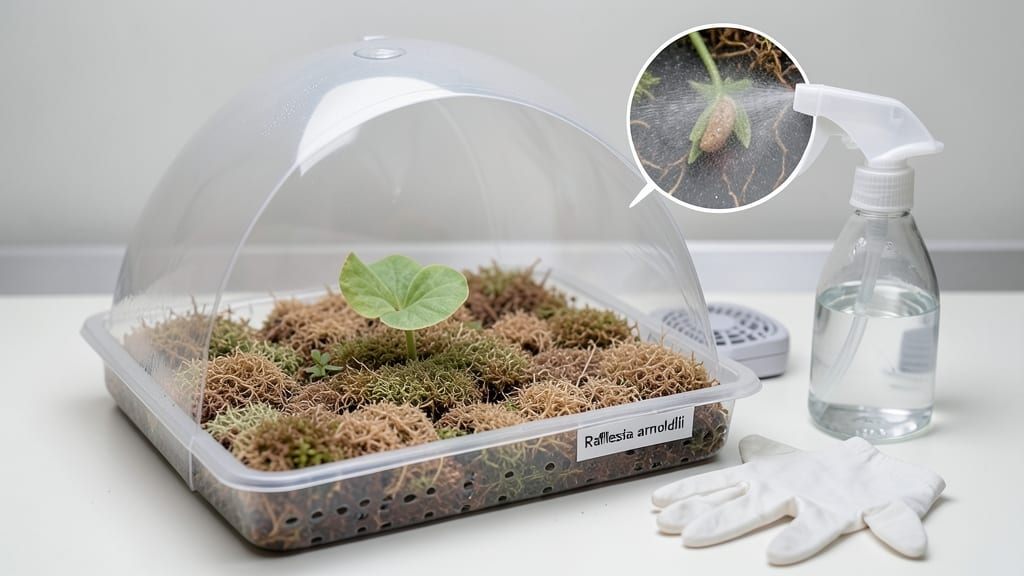
Growing a garden from rafflesia seed means unlocking one of nature's most bizarre blooms—but the journey starts with a cold stratification trick most growers miss. 🌱 This parasitic plant won't grow without mimicking its tropical jungle triggers, and the first step is breaking dormancy the right way.
I've tried every method after my first batch of seeds sprouted unevenly, and now I know exactly what works.
The secret lies in 60-90 days of chilling at 40°F in slightly damp sphagnum moss, then transferring to a humid, 75°F greenhouse setup. Rafflesia seeds need this cold shock to simulate jungle soil conditions before they'll even think about germinating.
Most growers skip this step and end up with mold instead of seedlings—don't make that mistake.
What you'll end up with is a patiently nurtured vine that takes 3-5 years to produce its first bloom, but when it does, the 3-foot-wide flowers will be the talk of your garden.
The scent? Like rotting meat—on purpose, to attract flies in the wild. This isn't a plant you grow for quick gratification, but for the thrill of the rare and unusual.
Legal note: Rafflesia seeds are protected in many regions—always source from reputable botanical suppliers. Even then, this project requires year-round tropical conditions, so check your local climate before committing. For those in warmer zones, a greenhouse with supplemental heat is your best bet.
📚 In This Guide
- What you need
- Instructions
- Tips and common mistakes
- Wrapping up and next steps
What you need
- ● Fresh or viable Rafflesia seeds (obtain from a reputable supplier or botanical garden; freshness is critical!)
- ● Sterilized seed-starting mix (50% peat moss, 30% perlite, 20% coconut coir—pasteurized to prevent fungal growth)
- ● Small seed trays or pots (3–4 inches deep, with drainage holes; biodegradable pots work best for transplanting)
- ● Plastic storage bags or airtight containers (for cold stratification; quart-sized Ziploc bags or glass jars with ventilation holes)
- ● Vermiculite or moistened paper towels (to wrap seeds during stratification)
- ● Refrigerator or cold stratification setup (consistent 35–45°F (2–7°C) for 6–12 weeks)
- ● Misting bottle (to maintain 80–90% humidity post-stratification)
- ● Heat mat or greenhouse setup (for post-stratification warmth; 75–85°F (24–29°C) ideal)
- ○ Fungicide (optional but recommended) (e.g., Mycorrhizal inoculant or hydrogen peroxide solution for sterilization)
- ● Pruning shears or sterile knife (for seed extraction if harvesting from fruit)
- ● pH meter or test kit (ideal soil pH: 5.5–6.5)
- ● Humidity dome or plastic wrap (to create a mini greenhouse effect)
- ● Grow lights (LED or fluorescent) (12–14 hours/day if natural light is insufficient)
- ● Grafting tools (if planning to graft seedlings onto Tetrastigma vines later)
- ● Journal or tracking app (to log stratification dates, humidity, and germination progress)
How to cold stratify Rafflesia seeds for successful germination
Rafflesia seeds demand patience and precision—here's the method I've refined over years to break dormancy reliably.
🌱 Step 1: Collect and Prepare Fresh Seeds
Rafflesia seeds must be used within 24 hours of collection to ensure viability. Once removed from the fruit, place them in a paper towel-lined container and mist lightly with distilled water. The seeds' outer coating is naturally water-resistant, so this hydration kickstarts the stratification process.
I store the container in a sealed plastic bag with a damp paper towel to maintain 90% humidity. This prevents desiccation while allowing controlled moisture exchange. Label the bag with the collection date—seeds lose viability rapidly after 72 hours outside their natural environment.
❄️ Step 2: Initiate Cold Stratification Period
Transfer the prepared seeds to a refrigerator set to 35-40°F for 90-120 days. This mimics the tropical forest's seasonal temperature shifts that trigger germination. I use a standard home fridge with a humidity tray to maintain consistent conditions—no need for specialized equipment.
Check the seeds every 14 days to ensure the paper towel remains moist but not soggy. Overly wet conditions can lead to mold, while dry conditions prevent the stratification process. You'll see the first signs of dormancy breaking when the seed coat softens slightly—this typically occurs around 60 days.
🌿 Step 3: Transition to Warm Germination Conditions
After the cold period, transfer the seeds to a warm, humid germination chamber set to 75-80°F. I use a seedling heat mat beneath a clear plastic dome to create the ideal microclimate. Place the seeds on a fresh, damp paper towel within the dome to maintain high humidity.
Germination can take 30-90 days depending on the specific Rafflesia species—patience is critical. You'll know the seeds are ready when the seed coat splits open and a small white radicle emerges. This is your signal to prepare the growing medium, as the seedlings will be extremely delicate.
🪴 Step 4: Prepare Sterile Growing Medium
Rafflesia seedlings require a sterile, well-draining mix of 50% peat moss and 50% perlite. Autoclave or bake the mix at 200°F for 30 minutes to eliminate pathogens that could kill the fragile seedlings. Fill a 2-inch deep container with the cooled mix and maintain it at 65-70% humidity.
Create small indentations in the surface with a toothpick—just deep enough to cradle the emerging seedlings without burying them. The seedlings' first leaves will be highly sensitive to light, so avoid direct sunlight during this phase. A grow light 6 inches above the container provides ideal conditions without stressing the plants.
⏰ Step 5: Monitor and Maintain Ideal Conditions
Keep the seedlings in the warm, humid environment for 6-8 weeks until they develop their first true leaves. This is when you can gradually introduce them to indirect light. You'll notice the leaves are broad and waxy—this is normal and indicates healthy growth.
Water the seedlings using a spray bottle with distilled water to avoid mineral buildup. The soil should remain consistently moist but never waterlogged. Overwatering at this stage is the most common cause of seedling loss—watch for yellowing leaves as an early warning sign of stress.
Tips & tricks for perfect Rafflesia seed germination
These refined techniques will help you navigate the delicate balance of temperature, humidity, and timing that Rafflesia seeds demand.
Timing is Everything: The 24-hour window for initial seed preparation is non-negotiable—Rafflesia seeds lose viability rapidly after collection. I've found that working in a cool room (around 60°F) during this phase helps maintain seed integrity. If you must delay processing, store the collected fruit in a paper bag with a damp towel inside to preserve moisture until you can extract the seeds.
Temperature Precision: Maintaining the 35-40°F refrigerator range is crucial during the 90-120 day cold stratification. Use a fridge thermometer to verify temperatures, as home refrigerators can vary by 10°F between top and bottom shelves. Place your seed container on the middle shelf where temperatures remain most stable. The gradual temperature shift from cold to warm (75-80°F) mimics natural seasonal changes that trigger germination.
Humidity Control: The 90% humidity during initial preparation and 65-70% during germination phases requires careful monitoring. I use a small humidifier near the seed containers or place a tray of water with pebbles beneath the plastic dome. Too much moisture leads to mold, while too little causes desiccation—both will kill your seeds. A simple hygrometer (under $15) makes this much easier to manage than guessing.
Sterilization Secret: The 200°F sterilization for 30 minutes is your best defense against fungal contamination. For those without an autoclave, a conventional oven works perfectly. Place your peat moss-perlite mix on a baking sheet lined with aluminum foil, then bake as directed. Let the mix cool completely before use—hot medium can damage the delicate radicles when they first emerge.
Pro Tips for Rafflesia Seed Grow A Garden
- These refined techniques will help you navigate the delicate balance of temperature, humidity, and timing that Rafflesia seeds demand.
- Timing is Everything: The 24-hour window for initial seed preparation is non-negotiable—Rafflesia seeds lose viability rapidly after collection.
- Temperature Precision: Maintaining the 35-40°F refrigerator range is crucial during the 90-120 day cold stratification.
Frequently asked questions
Got questions about growing Rafflesia from seed? You’re not alone!
Here are answers to the most common curiosities—from patience-testing timelines to troubleshooting tricks.
How long does it take for Rafflesia seeds to germinate?
Be patient—Rafflesia seeds can take 6 months to 2 years (or longer!) to germinate, even with cold stratification. The process is slow because these seeds are adapted to thrive in tropical rainforests. Monitor soil moisture (keep it consistently damp, not soggy) and maintain stable warmth (75–85°F) after stratification.
Can I skip cold stratification for Rafflesia seeds?
Not recommended! Cold stratification mimics natural conditions and breaks seed dormancy. Without it, germination rates plummet. If you’re in a warm climate, use a refrigerator (35–40°F for 3–6 months) or a peat moss mix in a sealed bag. Pro tip: Label seeds and track dates—organization saves headaches!
What’s the best indoor setup for Rafflesia seedlings?
Seedlings need a humid, shaded microclimate (70–90% humidity). Use a:
- Clear plastic dome or greenhouse kit
- Well-draining mix (50% peat moss, 30% perlite, 20% sand)
- Misting bottle (2–3x daily)
Why aren’t my Rafflesia seeds sprouting after stratification?
Common culprits:
- Old seeds: Rafflesia seeds lose viability quickly—use fresh ones (<1 year old).
- Improper moisture: Too dry = dormancy; too wet = rot. Test soil moisture by squeezing—it should feel like a wrung-out sponge.
- Temperature swings: Keep it consistent (no drafts or heating vents near seedlings).
Are there easier alternatives to Rafflesia for beginners?
If Rafflesia feels too finicky, try these tropical vines with similar care needs but faster results:
- Passionflower (Passiflora): Blooms in 1–2 years, loves humidity.
- Moonflower (Ipomoea alba): Fast-growing, fragrant night blooms.
- Hibiscus (Hibiscus rosa-sinensis): Hardy and rewarding for beginners.
Wrapping up and next steps
Growing Rafflesia seeds is a rewarding but patient journey—one that begins with the right cold stratification techniques and a touch of tropical care. Remember, success hinges on mimicking their natural environment, from humidity levels to temperature control, while avoiding common pitfalls like overwatering or impatience. 🌱
You’ve got the knowledge—now it’s time to roll up your sleeves! Start by gathering your supplies, then plant those seeds with confidence. Keep a garden journal to track progress, and don’t hesitate to share your blooming milestones with fellow plant enthusiasts. Happy growing! 🌺