
Size
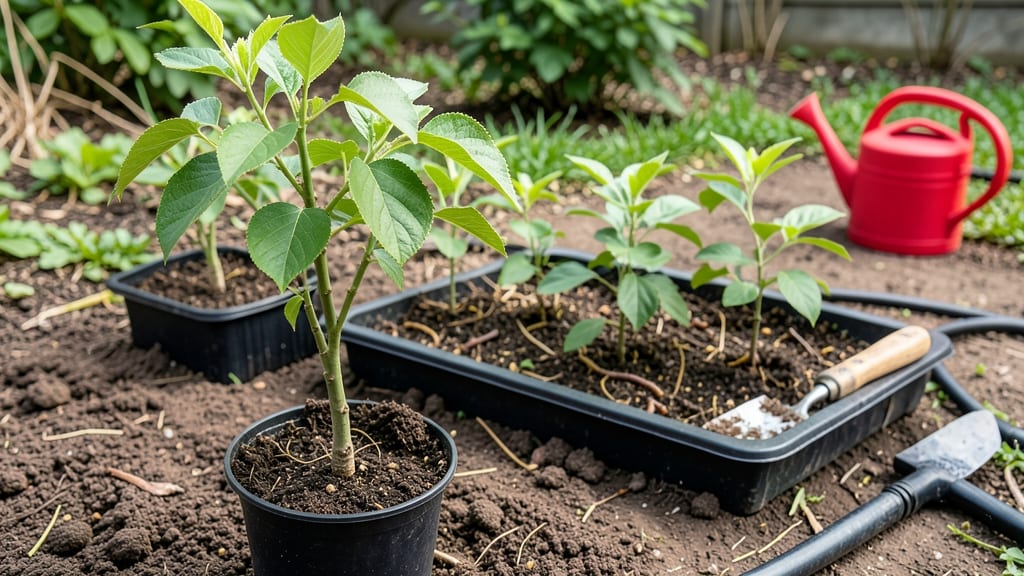
Growing a peach tree from seed requires patience, but the reward is a tree that carries your garden's story. 🌱 The secret to reliable germination lies in cold stratification—a process that mimics winter's natural conditions to break seed dormancy.
I've grown dozens from pits, and this method ensures strong roots and faster blooms within 90 days of germination.
Start with fresh, stone-free peach pits—never dried or store-bought. After cleaning, place them in a damp paper towel inside a sealed bag and refrigerate for 6-8 weeks.
This mimics winter's chill, waking the seed's potential. Once sprouted, plant in well-draining soil with 30% sand to prevent rot—peach seedlings hate soggy roots.
By spring, you'll see sturdy seedlings ready for transplanting. Prune leggy growth early to encourage a bushy shape, and watch for aphids—they love new peach leaves. The first year focuses on root strength; blooms may take 3-5 years, but the payoff is a tree with character and resilience.
This method works best in USDA Zones 5-9, where peaches thrive. For colder climates, grow in containers and overwinter indoors. The trade-off? Seed-grown trees may not fruit like parent varieties, but the journey grows a gardener's heart—and sometimes, the wildest trees bear the sweetest surprises.
📚 In This Guide
- What you need
- Instructions
- Tips and common mistakes
- Wrapping up and next steps
What you need
- ● Peach pits (seeds): 3–5 fresh, viable pits from ripe peaches (avoid hybrid varieties—they may not produce true fruit).
- ● Cold stratification setup: Small paper towel or dampened coffee filters (2–3 per pit).
- ● Plastic ziplock bag or airtight container (to hold moisture).
- ● Refrigerator with a crisper drawer (or a cold, dark spot like a garage).
- ● Potting soil: 1–2 bags of high-quality, well-draining seed-starting mix (avoid garden soil—it’s too dense!).
- ● Planting containers: Small pots (3–4 inches deep) for germination.
- ● Larger pots (10–12 inches) or garden bed for transplanting (after stratification).
- ○ Grow lights or sunny windowsill: A full-spectrum LED grow light (optional but helpful for weak light conditions).
- ● Spray bottle: For gentle watering (avoid over-saturating seeds!).
- ● Fertilizer: Balanced, water-soluble fertilizer (e.g., 10-10-10) or organic options like fish emulsion.
- ● Seedling heat mat (speeds up germination in cool climates).
- ● Humidity dome or plastic wrap (to retain moisture during early growth).
- ● pH testing kit (ideal soil pH for peaches: 6.0–7.0).
- ● Mulch (straw or wood chips to retain soil moisture and regulate temperature).
- ● Pruning shears (for shaping young trees as they grow).
Step-by-Step instructions for growing peach trees from seed
Cold stratification unlocks the secret to reliable germination—here's how to break dormancy and grow strong peach seedlings in just 90 days.
🌱 Step 1: Harvest and Prepare the Seeds
Collect fresh peach pits from fully ripened fruit, then clean them thoroughly by removing all remaining flesh. Rinse under cool water and pat completely dry with a paper towel—any moisture left behind will cause rot during stratification. I like to place the pits in a single layer on a wire rack for 24 hours to ensure absolute dryness.
Peach seeds have a hard outer shell that requires scarification. Use a sharp knife to make a shallow cut (about 1/8 inch deep) on one side of each pit—this mimics natural weathering and helps water penetrate. Handle carefully; the seed inside is delicate. Store the prepared pits in a labeled paper envelope and keep them in a cool, dark place until stratification begins.
❄️ Step 2: Cold Stratify for 8-12 Weeks
Place the prepared pits in a plastic bag with a damp (not soggy) mix of equal parts peat moss and perlite. Seal the bag loosely to allow airflow, then refrigerate at 35-45°F for 8-12 weeks. I check them weekly—if the mix feels dry, I lightly mist it to maintain consistent moisture. This cold period mimics winter conditions and breaks the seed's dormancy cycle.
You'll know stratification is working when tiny white roots emerge from the pits after about 6-8 weeks. This is your signal that the seeds are ready for planting. If no roots appear after 12 weeks, don't worry—some varieties need extra time. Just extend the cold treatment for another 2-4 weeks before proceeding.
🪴 Step 3: Plant Stratified Seeds in Containers
Fill 4-inch deep pots with a well-draining mix of 60% potting soil, 30% perlite, and 10% compost. Plant each stratified pit about 1 inch deep, with the cut side facing upward. I use biodegradable pots to avoid transplant shock later. Water gently until the soil feels evenly moist but not waterlogged—peach seedlings hate soggy roots.
Place the pots in a warm, sunny location where temperatures stay between 65-75°F during the day. A south-facing windowsill or under a grow light works well. Keep the soil consistently moist by watering when the top 1/2 inch feels dry to touch. Germination typically takes 2-4 weeks, but some seeds may take up to 6 weeks—patience is key.
☀️ Step 4: Transplant and Provide Full Sun
Once seedlings reach 4-6 inches tall with at least 3-4 true leaves, transplant them into larger 1-gallon containers or directly into the garden. Choose a location with full sun exposure (6+ hours daily) and well-draining soil. I always amend the planting area with 2 inches of compost to ensure good fertility.
Peach trees need space to grow—space seedlings 15-20 feet apart if planting multiple trees. Water deeply after transplanting to settle the soil around the roots. Mulch with 2-3 inches of wood chips to retain moisture and suppress weeds. The first year focuses on root development, so avoid heavy pruning—just remove any dead or crossing branches.
⏰ Step 5: Winter Care and Bloom Preparation
Peach trees grown from seed may take 3-5 years to bear fruit, but proper winter care ensures strong blooms. In their first winter, protect young trees from harsh winds by wrapping the trunk with tree guard. Apply a 2-3 inch layer of mulch around the base to insulate roots from freezing temperatures.
By spring, you'll see new growth and the first signs of blossoms. Here's the thing—peach trees are sensitive to late frosts, so monitor weather forecasts. If frost is predicted after buds appear, cover the tree with a lightweight frost cloth until temperatures rise. With consistent care, your seed-grown peach tree will reward you with fragrant blooms and eventually delicious fruit.
Tips & tricks for perfect peach seed stratification
These pro moves will help you turn simple peach pits into thriving trees—without the guesswork.
Seed Preparation: Don't rush the drying process in Step 1! The 24-hour drying period on a wire rack is non-negotiable—moisture trapped inside pits will cause mold during cold stratification. I've learned this the hard way after losing entire batches to rot. For extra insurance, place pits in a single layer on paper towels in a warm (70°F), well-ventilated area like an open oven with the light on.
Stratification Success: The 35-45°F temperature range in Step 2 is critical—any warmer and seeds may sprout prematurely, any cooler and dormancy won't break. I use a refrigerator's crisper drawer (set to "high humidity") for consistent conditions. If you don't see roots after 8 weeks, extend the cold treatment by 2-4 weeks—some varieties like 'Elberta' need the extra time. Watch for that first white root emergence like a hawk—it's your green light to plant!
Planting Pro Tips: When planting in Step 3, make sure the cut side faces up—this mimics how seeds orient naturally in soil. I've found that biodegradable pots with drainage holes work best for the initial planting, as they prevent root circling. For the soil mix, don't skimp on the perlite—it's what prevents that dreaded soggy root syndrome that kills peach seedlings.
Germination Patience: The 2-6 week germination window in Step 3 can feel like an eternity, but consistency is key. I've had seeds sprout in as little as 10 days and as long as 7 weeks—don't give up! Place pots in a clear plastic bag with a twist tie to create a mini greenhouse effect, then remove it daily for 10 minutes to prevent mold. Once you see the first green shoot, move the pot to bright light immediately to prevent leggy growth.
Pro Tips for Peach Seed Grow A Garden
- These pro moves will help you turn simple peach pits into thriving trees—without the guesswork.
- Seed Preparation: Don't rush the drying process in Step 1! The 24-hour drying period on a wire rack is non-negotiable...
- Stratification Success: The 35-45°F temperature range in Step 2 is critical—any warmer and seeds may sprout premature...
Frequently asked questions
Got questions about growing peaches from seed? You’re not alone!
Here are answers to the most common queries—from cold stratification to troubleshooting—so you can hit the ground running with your peach seed garden.
Why do peach seeds need cold stratification?
Peach seeds are dormant and need a cold, moist period (like winter) to break dormancy. Without cold stratification (60–90 days at 33–41°F), seeds may sprout unevenly or not at all. Think of it as nature’s way of timing germination for spring—just mimic it in your fridge or outdoor cold frame!
How long does it take for peach seeds to sprout after stratification?
After stratification, germination usually takes 1–4 weeks in warm, moist soil (70–80°F). Patience is key—some seeds may take longer, especially if stored improperly. Keep soil consistently damp (not soggy) and place pots in indirect light until sprouts appear.
Can I grow a peach tree from any peach seed?
Technically yes, but results vary! Store-bought peaches often produce weak or non-fruiting trees. For better success, use seeds from heirloom or local varieties grown in your climate zone. Even then, expect variability—peach trees from seed may take 5–7 years to bear fruit (if at all).
My peach seedling has yellow leaves—what’s wrong?
Yellow leaves often signal overwatering, nutrient deficiency, or transplant shock. Check soil moisture (it should be damp, not muddy) and ensure your seedling gets 6+ hours of sunlight daily. If leaves are crispy, it might be underwatering. Fertilize lightly with a balanced 10-10-10 mix once true leaves appear.
What’s the best climate for growing peach trees from seed?
Peach trees thrive in USDA Zones 5–9, where winters are cold enough for dormancy (below 30°F) and summers are hot (75°F+). If you’re in a warmer zone (e.g., Zone 10), expect slower growth or smaller trees. Choose a sunny, sheltered spot with well-draining soil to maximize success.
Pro Tip:
Label your seedlings! Peach trees from seed can look identical until they bloom. Use toothpicks and markers to track varieties—especially if you’re experimenting with multiple seeds. Future you will thank present you when it’s time to prune or harvest!
Wrapping up and next steps
Growing peaches from seed is a rewarding journey that blends patience with the joy of nurturing life from something as small as a pit! 🌱 By mastering cold stratification and following the right steps, you’ll unlock the potential for lush blooms—and eventually, sweet fruit—in just 90 days.
Remember, consistency is key, whether it’s monitoring moisture, tracking temperature, or giving your seedlings the love they need.
Now that you’re armed with this blueprint, there’s only one next step: start planting! Grab those peach pits, follow the guide, and watch your garden transform. And who knows? You might just grow more than peaches—you could cultivate a newfound passion for gardening. Happy growing! 🌸