
Lawn
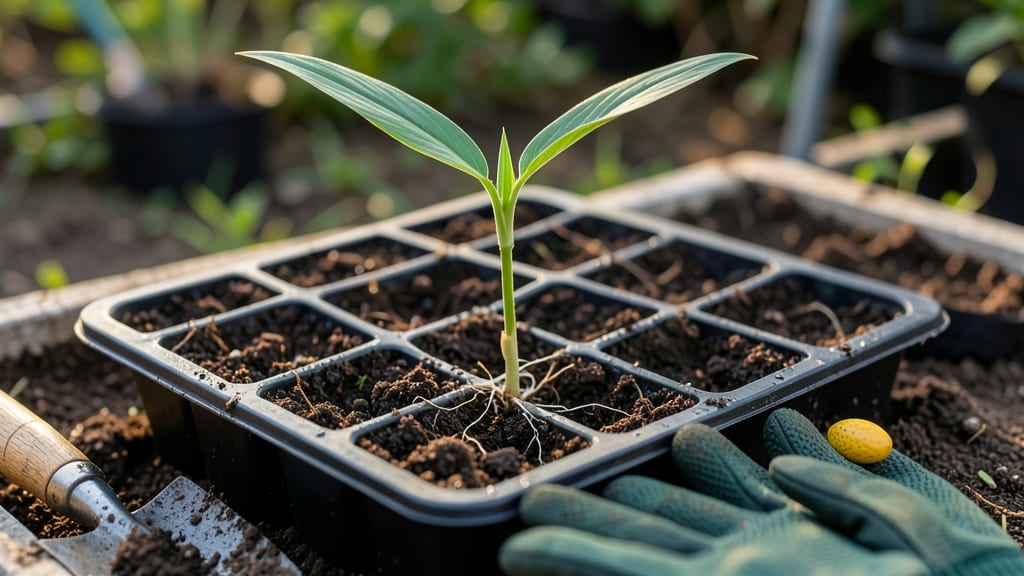
Planting a seed of maize in your garden isn’t just about growing corn—it’s about bringing a piece of history and resilience to your yard. 🌽 Cold-resistant varieties like 'Mangalica' or 'Flint' can thrive even when temperatures dip, giving you harvests that surprise neighbors who swear maize needs summer heat.
I’ve grown mine in zones where frost lingers late, and with the right prep, you can too.
The secret starts with soil: maize loves loose, well-draining earth rich in organic matter. Mix in compost before planting, and avoid heavy clay—roots need room to stretch. Plant seeds 1-1.5 inches deep, spacing them 12-15 inches apart in rows 30-36 inches wide.
Too close, and stalks compete; too far, and you waste space. Water deeply right after planting, then keep soil consistently moist but never soggy.
What you’ll end up with is a garden that feeds more than just your table—it feeds curiosity. Watching those first leaves unfurl into towering stalks is rewarding, especially when you’re harvesting ears in 90-120 days, even in cooler climates.
The stalks themselves can become trellises for climbing beans, turning one crop into a two-for-one harvest.
For beginners, the biggest mistake is rushing: maize needs patience. Start small—try a 4x4-foot patch—and save seeds from your best stalks for next year. Large-scale growers use tractors; home gardeners use creativity. Either way, the payoff is worth it.
📚 In This Guide
- What you need
- Instructions
- Tips and common mistakes
- Wrapping up and next steps
What you need
- ● Cold-resistant maize seeds: Choose certified organic or hybrid varieties like Pioneer Brand 33B38 or AgriPro 1801 (1–2 lbs per 100 sq ft).
- ● Soil: Well-draining, loamy soil (pH 5.8–7.0).
- ● Compost (2–3 gallons per 10 sq ft) for nutrients.
- ○ Optional: Biochar (1 cup per planting hole) for cold resistance.
- ● Fertilizer: Balanced 10-10-10 (1 tbsp per hole) or organic options like fish emulsion (2 tbsp per sq ft).
- ● Slow-release fertilizer (e.g., Osmocote) for later growth.
- ● Tools: Garden trowel or transplanting spade.
- ● Rake or hoe for soil prep.
- ● Watering can or hose with adjustable nozzle.
- ● Row marker or stakes (for spacing).
- ● Row covers or frost cloth (for early/late planting).
- ● Mulch (straw or black plastic) to retain warmth.
- ● Soil thermometer (to monitor temps below 50°F).
- ● Pest deterrents: neem oil or row covers for corn earworms.
- ● Container growers: 5-gallon pots (1 plant per pot) with drainage holes.
Step-by-step instructions for growing cold-resistant maize
Here's how I grow hardy maize varieties that thrive even in cooler climates—no fancy equipment needed.
🌱 Step 1: Select and Prepare the Right Seeds
Choose cold-tolerant maize varieties like 'Oaxacan Green' or 'Black Aztec'—these handle temperatures down to 50°F without bolting. I always soak seeds overnight in warm water to soften the outer shell and speed germination. This isn't optional: dry seeds take 10-14 days to sprout, while soaked ones appear in 5-7 days.
After soaking, drain excess water and wrap seeds in a damp paper towel. Place them in a 70-75°F environment—like on top of a fridge or near a sunny window—to encourage rapid germination. Check daily for sprouts, which look like tiny white roots breaking through the seed coat. Once you see these, it's time to plant.
🪴 Step 2: Prepare the Planting Site
Maize needs deep, well-draining soil with plenty of organic matter. I till in 2-3 inches of compost into the top 12 inches of soil to ensure roots have space to grow. The ideal pH is 6.0-6.8, so test your soil and amend with lime if needed—maize is sensitive to acidic conditions.
Plant seeds 1 inch deep and 6 inches apart in rows spaced 3 feet apart. This spacing gives plants room to develop strong stalks and prevents competition for nutrients. Water the soil thoroughly before planting to help roots establish quickly. Avoid compacting the soil around seeds—just press lightly to ensure good seed-to-soil contact.
☀️ Step 3: Provide Warmth and Light for Germination
Maize seeds need consistent warmth to germinate. If nighttime temperatures drop below 55°F, cover the bed with a floating row cover or black plastic mulch to retain heat. Remove covers during the day to prevent overheating. You'll know germination is working when you see the first cotyledons (tiny, rounded leaves) push through the soil in 7-10 days.
Once sprouts emerge, thin seedlings to 12 inches apart to reduce crowding. Thin in the evening to minimize stress on plants. Keep the soil consistently moist but not soggy—maize roots need oxygen to grow. Water at the base of plants rather than overhead to prevent fungal diseases like leaf blight, which thrives in damp foliage.
💧 Step 4: Maintain Moisture and Fertility
Maize is a heavy feeder, so I side-dress with 2-3 inches of compost when plants reach 12 inches tall. This boosts nutrient availability without overloading the soil. Water deeply 1-2 times per week, providing 1-2 inches of water total. You'll know moisture is right when the top 2 inches of soil feel damp but not waterlogged.
Watch for signs of nutrient deficiency: yellowing lower leaves indicate nitrogen deficiency, while purple stems signal phosphorus shortage. Adjust fertilizers accordingly, but avoid over-fertilizing—maize prefers balanced nutrition over excess. Mulch heavily with straw to retain soil moisture and suppress weeds, which compete for nutrients.
⏰ Step 5: Harvest at Peak Maturity
Cold-resistant maize takes 90-120 days to mature, depending on the variety. Harvest when the tassels (male flowers) turn brown and the silks (female flowers) dry out. Gently pull back husks to check kernels: they should be plump, milky-white, and firm to the touch. If kernels are still hard or translucent, wait 3-5 more days.
Cut stalks at the base with a sharp knife or pruners. Hang harvested ears in a dry, well-ventilated area for 1-2 weeks to dry fully before storage. Properly dried maize keeps for months in a cool, dark place. If you're growing for grain, save some seeds for next season—they're even more cold-hardy after adapting to your climate.
Tips & tricks for growing cold-resistant maize
Here's what nobody tells you about coaxing maize to thrive when most varieties would bolt at the first chill.
Seed Preparation Secret: The overnight soak isn't just about speed—it's about breaking down the seed's natural dormancy. I've found that using warm water (around 80°F) rather than room temperature accelerates this process. After draining, I give the damp paper towel-wrapped seeds a gentle squeeze to ensure even moisture distribution. This prevents uneven germination where some seeds sprout while others remain dormant. The 70-75°F germination environment is non-negotiable—any colder and you'll see significant delays in sprouting.
Soil Temperature Strategy: While the instructions mention ideal soil pH, I've learned that soil temperature matters just as much. Use a soil thermometer to confirm your planting bed is at least 60°F before sowing. Cold soil slows root development, making plants more vulnerable to temperature fluctuations. If your spring soil runs cool, consider using black plastic mulch to warm the soil by 5-10°F before planting. This extra warmth gives young roots the jumpstart they need to establish quickly.
Thinning Technique: The 12-inch spacing after thinning might seem generous, but it's crucial for stalk development. I thin in two stages: first when seedlings are 2 inches tall to 6 inches apart, then again at 6 inches tall to the final 12 inches. This gradual spacing prevents shocking the plants while still giving them room to develop strong root systems. Always thin on an overcast day or in the evening to minimize stress from direct sunlight.
Harvesting Cues: The 3-5 day window for checking kernel maturity is your best friend in cooler climates. I've found that pulling back husks on three consecutive days gives a more accurate picture of overall maturity than checking just one ear. Look for kernels that dent slightly when pressed with your thumbnail—that's the perfect balance between firm and tender. If you're unsure, harvest a few test ears and taste the kernels raw. Sweet, milky flavor means you're ready; hard, starchy kernels need more time.
Pro Tips for Seed Of Maize
- Here's what nobody tells you about coaxing maize to thrive when most varieties would bolt at the first chill.
- Seed Preparation Secret: The overnight soak isn't just about speed—it's about breaking down the seed's natural dorman...
- Soil Temperature Strategy: While the instructions mention ideal soil pH, I've learned that soil temperature matters j...
Frequently asked questions
1. How long does it take for maize seeds to germinate in cooler climates?
Maize seeds typically germinate in 7–14 days when soil temps are 60–85°F (15–29°C). Cold-resistant varieties may take 2–4 extra days if planted early. Use a seedling heat mat or black plastic mulch to speed things up—especially in spring or fall!
2. Can maize grow in cold weather, or do I need to wait for warm soil?
Most maize varieties struggle below 50°F (10°C), but cold-hardy hybrids (like ‘Early Sunglow’) tolerate brief chills. Plant seeds only after soil reaches 60°F (15°C)—test with a soil thermometer! If frost threatens, cover seedlings with row fabric until danger passes.
3. What’s the best alternative if maize seeds fail to sprout?
Try these fixes first:
- Check moisture: Soil should stay consistently damp (not soggy).
- Test depth: Plant seeds 1–1.5 inches deep—too shallow = poor germination.
- Warmth boost: Place a clear plastic dome over seedlings to trap heat.
4. How do I know if my maize plants are getting enough nutrients?
Healthy maize shows:
- Sturdy stems (no wilting or yellowing).
- Dark green leaves (pale = nitrogen deficiency).
- Tassels emerging 60+ days after planting.
5. Can I save seeds from my maize harvest for next year?
Yes! Let ears fully dry on the stalk (kernels should rattle when shaken). Store seeds in a cool, dark, dry place (like a jar) for up to 2–3 years. For best results, grow open-pollinated varieties (like ‘Country Gentleman’) to preserve traits. Avoid hybrid seeds—they won’t breed true!
Wrapping up and next steps
Growing cold-resistant maize varieties is not just possible—it’s an exciting way to expand your garden’s potential and enjoy fresh harvests year-round! 🌱 Whether you’re a seasoned gardener or just starting, choosing the right seed of maize and following the right steps can turn even chilly seasons into a bountiful success.
Your next logical step? Experiment with a few cold-hardy varieties in your garden this season and watch your green thumb shine even brighter!
Ready to take the leap? Start small, stay consistent, and soon you’ll be reaping the rewards of your hard work! 🌟