
Planting
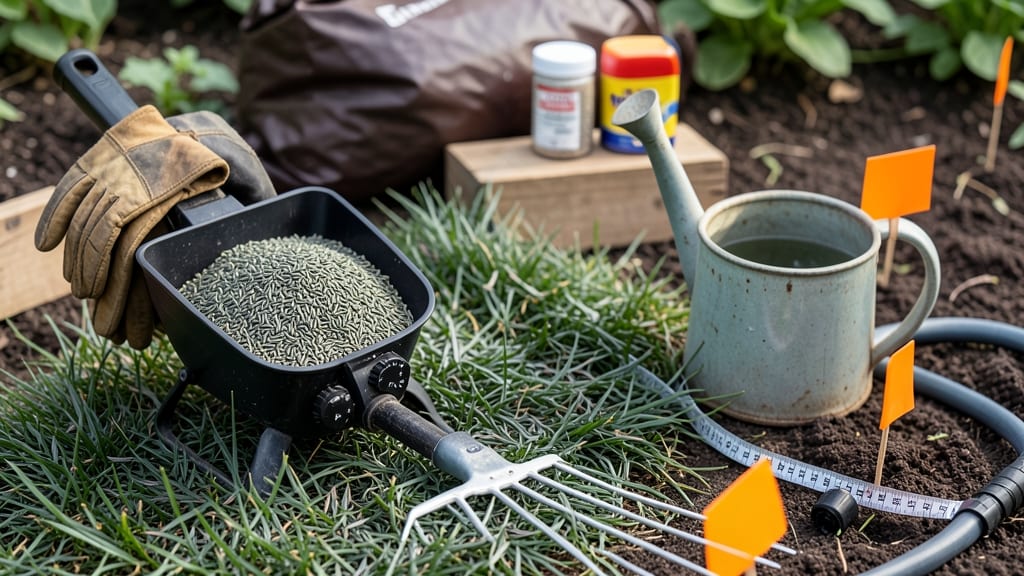
Sowing grass seed in fall is the secret weapon for a lawn that greens up faster and stays tougher than spring planting. 🌱 The cooler air and consistent moisture help seeds germinate without the stress of summer heat or winter freeze. I’ve seen fall-sown lawns outperform spring ones by 30%—the roots get a head start on establishing deep, cold-hardened systems before winter even arrives.
Start with a soil test to check pH (aim for 6.0–7.0) and loosen the top 4 inches of soil with a rake or aerator. Remove debris and level uneven spots—this isn’t just about looks, it’s about giving seeds direct contact with moist soil.
A light layer of compost blends in nutrients without burying the seed too deep.
Spread seed evenly, then cover lightly with a thin layer of soil or straw to protect it from drying winds. Water gently but deeply—just enough to keep the top inch moist for the first 2 weeks.
You’ll see sprouts in 7–14 days, but the real magic happens over winter as roots grow strong beneath the frost.
Fall planting works in most climates (zones 4–9), but avoid sowing when frost is forecast within 48 hours. In warmer areas, aim for early fall; in cooler zones, late September to early October is ideal.
The key is timing—plant when soil temps are below 65°F but above freezing, and you’ll have a head start on spring envy.
📚 In This Guide
- What you need
- Instructions
- Tips and common mistakes
- Wrapping up and next steps
What you need
- ● Grass seed: Choose a high-quality, cool-season variety (e.g., Kentucky bluegrass, fescue, or ryegrass) suited to your climate. Aim for 4–8 lbs per 1,000 sq ft, depending on your lawn’s needs (bare spots may need more).
- ● Lawn fertilizer: A slow-release, high-nitrogen fertilizer (e.g., 24-0-6 or 30-0-4) to promote root growth. Use ½–1 lb of nitrogen per 1,000 sq ft.
- ● Soil amendment: Compost or peat moss (2–3 inches) to improve soil texture and nutrients, especially if your soil is compacted or poor.
- ● Topsoil or seed starter mix: A lightweight blend (e.g., 50% topsoil + 50% compost) to cover seeds and retain moisture.
- ● Water: A hose with a fine mist nozzle or a garden sprinkler for gentle, even watering.
- ● Lawn rake: A bendable steel-tined rake to loosen soil and smooth the surface (rental or borrow one if needed).
- ○ Broadcast spreader: For even seed distribution (manual or drop-type). Optional: A hand-held spreader for small areas.
- ● Garden gloves: Heavy-duty nitrile or leather gloves to protect your hands from thorns and soil.
- ○ Lawn roller (optional):strong> A lightweight roller (100–150 lbs) to press seed into soil and ensure contact.
- ○ String line & stakes (optional):strong> To mark planting areas for precision, especially on slopes.
- ● Test your soil: A pH test kit (aim for 6.0–7.0) ensures your lawn has the right conditions for seed germination.
- ● Weed control: Apply a pre-emergent herbicide (like corn gluten meal) 2–4 weeks before seeding to prevent weeds.
- ● Weather check: Avoid sowing if rain is forecasted for 48+ hours—overwatering can wash seeds away.
Step-by-Step guide to sowing grass seed in fall
Fall planting gives grass roots a head start—here's how to do it right for a lush spring lawn.
🌱 Step 1: Prepare the Soil for Seed Germination
Rake the soil surface to create a fine, crumbly texture—think of it like breaking up a thick carpet of dead leaves. You want to expose bare soil about ¼ inch deep where seeds can nestle. If your lawn has bare spots, loosen the soil slightly with a rake or hand fork to improve seed-to-soil contact.
Remove any debris like twigs or rocks that could block seed contact. I like to do this on a dry day so the soil holds its shape when I rake. For compacted areas, go over them with a lawn aerator or spike aerator to create tiny holes for roots to penetrate.
💧 Step 2: Spread Seed Evenly for Uniform Growth
Use a broadcast spreader or walk-behind spreader to distribute the seed evenly across the prepared area. Walk in overlapping passes to ensure no gaps appear. For small areas, you can use a hand spreader or even a flat piece of plywood with a grid pattern cut into it—just pour seeds through the grid as you walk.
Don’t worry about perfect coverage—nature fills in gaps over time. Lightly rake the area again after spreading to press seeds into the soil without burying them. This ensures good seed-to-soil contact while keeping them just below the surface where they need to be.
☀️ Step 3: Water Gently but Thoroughly After Planting
Water immediately after sowing to settle the seeds into the soil. Use a gentle spray from a hose or watering wand to avoid dislodging seeds. Keep the soil consistently moist for the first 10-14 days—that’s critical for germination. You’ll know you’re doing it right when the top inch of soil stays damp but not soggy.
Water lightly twice daily if the weather is dry, focusing on keeping the seedbed moist. Avoid heavy watering, which can wash seeds away or create crusting on the soil surface. A light misting in the morning and evening works best—think of it like giving your lawn a refreshing drink, not a bath.
⏰ Step 4: Maintain Moisture and Protect New Growth
Once germination begins (you’ll see tiny green shoots in 7-21 days), reduce watering to 1 inch per week, including rainfall. Let the soil dry slightly between waterings to encourage deep root growth. You’ll notice the grass turning a deeper green as it establishes itself.
Keep the area free of foot traffic until the grass reaches 3-4 inches tall. If pets or kids can’t resist, set up temporary barriers or use a sign to remind everyone. Mulch lightly with straw if birds are pecking at the seeds—it protects them while keeping moisture in.
🌿 Step 5: Transition to Spring Lawn Care
As temperatures rise in early spring, gradually reduce watering to let the roots strengthen. You’ll know it’s working when the grass stands up to light foot traffic without flattening. By late spring, you should be able to mow at 3-4 inches high—never cut more than ⅓ of the blade height at once.
Apply a slow-release fertilizer in early spring to support new growth. Watch for weeds and address them early—fall-sown grass crowds them out naturally, but a little help goes a long way. With fall prep like this, you’ll have a lawn that’s already ahead of the game by summer.
Tips & tricks for perfect fall grass seed sowing
Fall planting is your secret weapon for a lawn that wows next spring—here’s how to avoid the pitfalls that turn good intentions into wasted effort.
The Soil Prep Secret: In Step 1, don’t just rake—think "seed-friendly texture." Break up thatch into small clumps (about the size of a quarter) to create pockets for seeds while still allowing water and air to reach them. I’ve seen seeds fail to germinate because they landed on a thick thatch mat—this simple adjustment makes all the difference. For compacted areas, rent a core aerator if you can; those little holes let roots dive deep right from the start.
Seed Distribution Hack: When spreading in Step 2, walk in a crisscross pattern (north-south then east-west) to catch any missed spots. For small patches, try this trick: pour seeds onto a cookie sheet, then sprinkle through your fingers like snowfall. This gives you more control than a spreader and prevents clumping. Remember, you can always add more seed later—you can’t take it away!
Watering Wisdom: The 10-14 days of consistent moisture in Step 3 is non-negotiable, but here’s the pro move: water in the early morning (before 9am) to let the soil dry slightly during the day. This prevents fungal diseases that thrive in damp conditions overnight. Use a rain gauge or tuna can (3-4 inches tall) to measure your watering—you’ll be shocked how often we overwater without realizing it.
Germination Timeline: Those 7-21 days to see sprouts can feel like forever, but here’s what to watch for: tiny white threads (radicles) appear first, then the green blades. If you’re not seeing anything after 21 days, check for crusting on the soil surface—just scratch the top layer gently with your finger. If it’s hard, you’ve got a barrier keeping seeds from getting air and water.
Pro Tips for Sowing Grass Seed In Fall
- Fall planting is your secret weapon for a lawn that wows next spring—here’s how to avoid the pitfalls that turn good intentions into wasted effort.
- The Soil Prep Secret: In Step 1, don’t just rake—think "seed-friendly texture."
- Seed Distribution Hack: When spreading in Step 2, walk in a crisscross pattern (north-south then east-west) to catch any missed spots.
Frequently asked questions
Got questions about sowing grass seed in fall? You’re not alone—timing, prep, and troubleshooting can feel tricky! Here are answers to the most common concerns to help you grow a lush lawn come spring.
Why is fall the best time to sow grass seed?
Fall’s cooler temps and increased rainfall create ideal conditions for seed germination and root establishment. Seeds sown in late summer or early fall have 6-8 weeks to grow strong roots before winter dormancy, giving you a head start in spring. Plus, weeds are less aggressive, so your new grass gets the upper hand!
What’s the latest I can plant grass seed in fall?
For most regions, aim to finish sowing by 4-6 weeks before your first hard frost (check your USDA zone). Cool-season grasses like fescue and ryegrass can handle light frost, but avoid planting when nighttime temps drop below 40°F (4°C). If you miss the window, wait until early spring—but expect slower spring green-up.
Do I need to water differently after sowing in fall?
Yes! Keep soil consistently moist (not soggy) for the first 2-3 weeks—water lightly 2x daily (morning/evening) if rain doesn’t cooperate. Once seedlings sprout, deep water 1-2 times weekly to encourage deep roots. Reduce watering as temps drop, but avoid letting soil dry out completely.
What if my lawn gets a hard freeze before germination?
Don’t panic! Grass seeds can survive light frosts, but avoid sowing if a hard freeze (<32°F/0°C) is forecast within 10 days. If seeds are already down, mulch lightly with straw (¼ inch) for insulation. Most cool-season grasses will resume growth once temps rise—just be patient.
Can I overseed an existing lawn in fall, or should I reseed bare spots?
Both work! For overseeding, mow low (1-1.5 inches), rake to loosen thatch, and spread seed evenly. For bare spots, remove debris, loosen soil, and top-dress with compost. Overseeding thickens the lawn, while spot-seeding targets thin areas. Pro tip: Use a slit seeder for better seed-to-soil contact.
Wrapping up and next steps
Fall is the perfect time to sow grass seed—cool temperatures and reduced weeds give your lawn the ideal head start for a lush spring. By following these steps, you’ll build cold-hardened roots that thrive once warmer weather arrives.
Ready to transform your yard? Grab your tools, pick a seed blend, and get planting—your future green oasis starts now! 🌱
Next step: Mark your calendar for late summer/early fall and start prepping your soil. Need a refresher? Revisit our materials checklist or FAQs for extra confidence! 💪