
Lawn
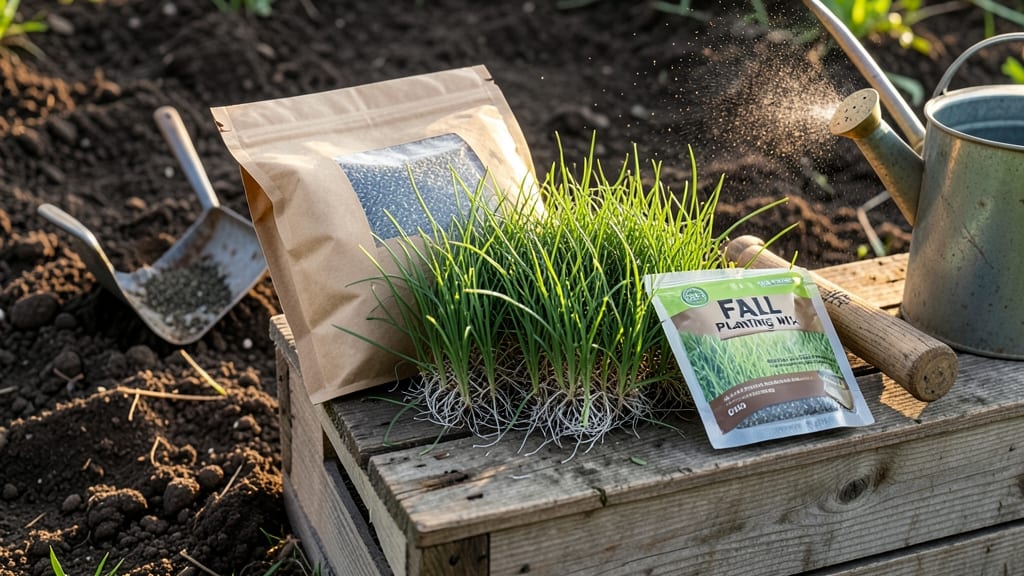
Will grass seed grow in the fall? Absolutely—when planted at the right time, cool-season grasses like fescue and ryegrass thrive in late summer to early fall before the first frost. 🌱 I learned this the hard way after my spring seeding failed due to drought, but fall planting gave me a lush lawn by spring with minimal effort. The secret lies in timing: sow seeds 4-6 weeks before your first frost date when soil temps stay above 50°F but nights cool down. Warm-season grasses like Bermuda won’t survive winter, but cool-season types handle frost like champs—roots establish before dormancy kicks in. You’ll need well-prepped soil (loose, weed-free, and slightly moist) and consistent watering to keep seeds hydrated without drowning them. The biggest risk? Weeds outcompeting tender seedlings—pre-emergent herbicide applied before planting helps here. Regional adjustments matter: Northern gardeners can plant later than Southern ones, but avoid seeding when frost is forecasted within 2 weeks. With proper prep, your fall lawn will outperform spring plantings every time.
📚 In This Guide
- What you need
- Instructions
- Tips and common mistakes
- Wrapping up and next steps
What you need
- ● Grass seed: Choose a cool-season variety (e.g., Kentucky bluegrass, fescue, or ryegrass). Aim for 10–15 lbs per 1,000 sq ft for new lawns or 5–10 lbs for overseeding.
- ● Lawn fertilizer: Select a fall-specific blend with a high middle number (e.g., 10-20-10 or 12-24-12) for root growth. Use 0.5–1 lb of nitrogen per 1,000 sq ft.
- ● Soil tester kit: Check pH (ideal range: 6.0–7.0) and adjust with lime (if needed) before planting.
- ● Rake: A heavy-duty metal rake or bow rake to loosen soil and remove debris.
- ● Broadcast spreader: For even seed distribution (manual or drop-type preferred to avoid burying seeds too deep).
- ● Water source: Hose with adjustable nozzle or sprinkler system for gentle, frequent watering.
- ○ Straw or netting: 0.5–1 lb per 1,000 sq ft to protect seeds from birds and wind (optional but helpful in exposed areas).
- ● Soil conditioner: Compost or peat moss (¼ inch layer) to improve drainage and nutrients.
- ● Pre-emergent herbicide: Apply before seeding to prevent weeds (follow label instructions).
- ● Lawn roller: Lightweight (50–100 lbs) to press seed into soil gently.
- ● Weather monitor: Track forecasts to avoid planting during frost or heavy rain.
- ● Knee pads or gloves: For comfort during prep and seeding.
Step-by-Step guide for fall grass seed germination
Fall planting works beautifully for grass—here's how to get strong roots before winter sets in.
🌱 Step 1: Choose the Right Grass Seed Variety for Your Climate
Select a cool-season grass like Kentucky bluegrass, fescue, or ryegrass—these thrive when temperatures dip below 70°F. Warm-season grasses like Bermuda or Zoysia won’t germinate well in fall, so avoid them. Check your hardiness zone to pick a variety that tolerates your winter lows; most cool-season grasses handle down to -10°F once established.
I always verify the seed packet’s recommended planting window—some varieties need to be in the ground 6-8 weeks before first frost for best results. If you’re in a mild zone (like Zone 8), you might push it closer to frost, but in colder regions, aim for mid-to-late September for optimal germination.
💧 Step 2: Prepare the Soil for Ideal Germination Conditions
Test your soil’s pH—most grasses prefer 6.0 to 7.0. If it’s off, amend with lime (to raise pH) or sulfur (to lower it) 4-6 weeks before planting. Till the soil to a depth of 4 inches, removing debris and leveling the surface. The goal is loose, crumbly soil that lets moisture and roots penetrate easily.
Don’t skip aerating if your lawn has compacted soil. Use a core aerator to pull small plugs—this creates pockets for seed-to-soil contact and improves water absorption. Water the area deeply 24 hours before seeding so the soil is moist but not soggy. You’ll know it’s right when a handful of soil holds together but doesn’t drip water.
☀️ Step 3: Plant Seed at the Correct Depth and Water Consistently
Spread the seed evenly using a broadcast spreader or by hand—aim for 10-15 seeds per square inch for full coverage. Lightly rake the area with a fine-toothed rake, pressing seeds just ¼ inch deep. Deeper planting delays germination, while too-shallow seeds dry out. Cover with a thin layer of straw mulch (about ¼ inch) to protect seeds from birds and retain moisture.
Water immediately after planting, then keep the soil consistently moist for the first 2-3 weeks. Use a gentle sprinkler or soaker hose to avoid displacing seeds. You’ll see germination in 7-21 days, depending on temperature—cooler falls take longer. Once seedlings reach 2 inches tall, reduce watering slightly but keep the soil moist until the grass reaches 3-4 inches in height.
✂️ Step 4: Protect New Growth from Frost and Adjust Care
When nighttime temperatures dip below 40°F, cover newly sprouted grass with lightweight frost cloth or straw to shield tender shoots. Remove the cover during the day to allow sunlight. Avoid fertilizing until the grass has 3-4 inches of growth—new seedlings are sensitive to excess nitrogen, which can burn them.
Once the grass reaches 3-4 inches, mow it to 3 inches to encourage root growth. In late fall, apply a winterizer fertilizer (high in potassium) to strengthen roots before dormancy. If your area gets heavy snow, leave the grass slightly taller (3.5 inches) to prevent snow mold. By spring, you’ll have a dense, established lawn ready to fill in any bare spots.
⏰ Step 5: Monitor and Adjust for Spring Readiness
Check seedling health weekly—healthy grass has deep green blades and strong stems. Yellowing or wilting signals overwatering or poor drainage. If you notice fungal issues (like gray mold), reduce watering and improve airflow by spacing out mulch. By late fall, taper off watering to once every 10-14 days unless the soil is extremely dry.
In early spring, remove any remaining mulch and apply a balanced fertilizer (like 10-10-10) to promote vigorous growth. Your fall-planted grass should outcompete weeds naturally by next summer. The key is patience—fall seeding rewards you with a thicker, more resilient lawn than spring planting ever could.
Tips & tricks for perfect fall grass germination
Here's what nobody tells you about getting fall grass seed to thrive—these are the details that separate a patchy lawn from a lush, cold-resistant carpet.
Timing is Everything: The 6-8 weeks before first frost window is non-negotiable for most cool-season grasses. I learned this the hard way after planting too close to winter in Zone 5—seeds sprouted but froze before establishing roots. Check your local frost date and count backward. For northern climates, aim for mid-September; southern regions can push it to early October. Use a lawn calendar or gardening app to track your specific zone's ideal planting window.
Soil Prep Secrets: That 4-inch tilling depth in Step 2 isn't just about loosening soil—it's about creating an ideal environment for root penetration. If your soil feels compacted when you press your thumb into it, you're not going deep enough. For clay-heavy soils, mix in compost or sand to improve drainage. I always do a quick percolation test before planting: Dig a 6-inch hole, fill with water, and time how long it takes to drain. If it takes more than 4 hours, your soil needs amendments.
Watering Wisdom: The consistently moist requirement for those first 2-3 weeks means your soil should feel like a wrung-out sponge—not soggy, not dry. I use a moisture meter to verify, aiming for 40-50% moisture content at 2-inch depth. Morning watering is best—it prevents fungal growth from overnight moisture. For large areas, consider a drip irrigation system on a timer to maintain even moisture without displacing seeds.
Frost Protection Hacks: When nighttime temps drop below 40°F, your new seedlings need shelter. I've had great success with lightweight row covers (not heavy frost cloth) because they allow sunlight while trapping warmth. Secure them with bricks or landscape pins—don't use staples, as they can damage tender shoots. For heavy snowfall areas, consider straw mulch piles along property edges to catch drifting snow and provide insulation.
Pro Tips for Will Grass Seed Grow In The Fall
- Here's what nobody tells you about getting fall grass seed to thrive—these are the details that separate a patchy lawn from a lush, cold-resistant carpet.
- Timing is Everything: The 6-8 weeks before first frost window is non-negotiable for most cool-season grasses.
- Soil Prep Secrets: That 4-inch tilling depth in Step 2 isn't just about loosening soil—it's about creating an ideal environment for root penetration.
Frequently asked questions
Can grass seed actually germinate in cold fall weather?
Many cool-season grasses (like fescue, ryegrass, and bluegrass) thrive when planted in fall. They germinate best when soil temps are between 50–65°F—perfect for late summer to early fall. Just avoid planting too early (soil must be warm enough) or too late (before first frost).
How long does it take for fall-planted grass seed to grow?
Germination typically takes 7–21 days, depending on the grass type and weather. Cool-season grasses may grow slower in cooler temps but establish stronger roots before winter. With proper care (watering, mulching), you’ll see noticeable growth in 4–6 weeks.
Do I need to water fall grass seed differently than spring seed?
Yes! Fall watering is critical but requires balance. Keep soil consistently moist (not soggy) for the first 2–3 weeks, watering lightly 2x daily (morning/evening). Reduce frequency after germination but avoid letting the soil dry out completely. A light mulch (straw) helps retain moisture.
What if my fall grass seed doesn’t grow? What went wrong?
Common issues include:
- Poor soil prep: Compacted or rocky soil blocks roots. Aerate before planting!
- Wrong grass type: Warm-season grasses (like Bermuda) struggle in fall. Stick to cool-season varieties.
- Improper watering: Too much or too little can kill seedlings. Aim for ½ inch per week.
- Frost too soon: If temps drop below 20°F, seedlings may die. Use frost blankets if needed.
Is fall seeding better than spring? What are the pros and cons?
Pros of fall seeding:
- Cooler temps reduce weeds and evaporation.
- Grass establishes roots before winter, leading to thicker, greener lawns next spring.
- Less competition from summer heat and pests.
Cons: Requires consistent moisture and timing (plant 4–6 weeks before first frost). Spring seeding is riskier due to summer drought and weeds.
Wrapping up and next steps
Fall can absolutely be the perfect time to sow grass seed—if you choose the right varieties and follow the right steps! 🌱 With cooler temperatures, fewer weeds, and consistent moisture, your lawn has a great shot at thriving.
Just remember to pick cold-hardy seeds, prep the soil well, and stay patient as germination takes its sweet time.
Ready to take the next step? Grab your tools, pick a seed blend, and get planting! Before you know it, you’ll be enjoying a lush, green lawn—even in the chilly months. 🌿