
Lawn
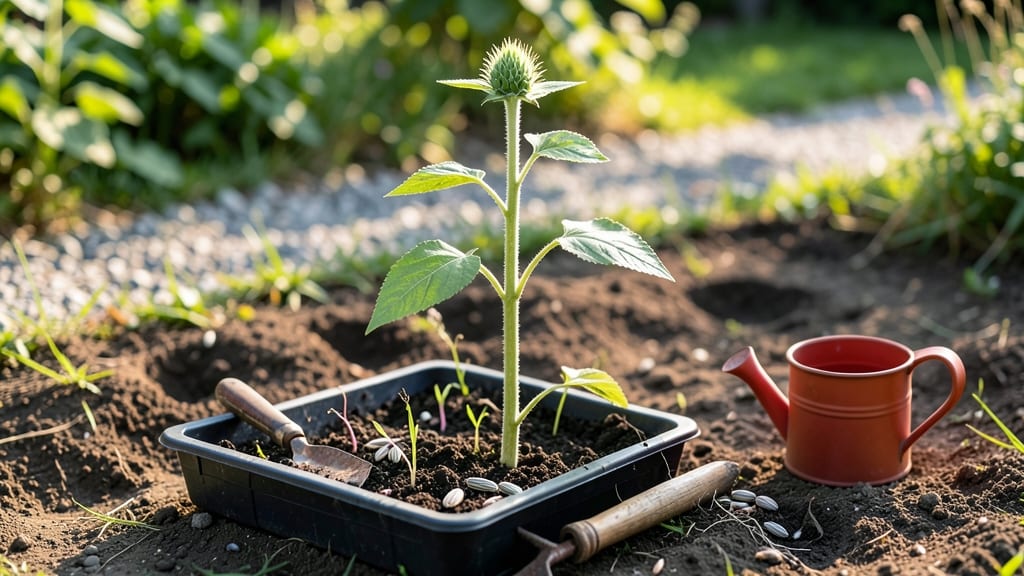
Fast sunflower seed growth starts with the right conditions—loose, well-drained soil and consistent moisture. 🌱 I learned the hard way that compacted soil means slow germination, but once I got the basics right, my seeds sprouted in just 3-5 days.
The secret isn’t fancy equipment; it’s knowing how sunflowers naturally push through soil to reach light.
Sunflowers thrive in full sun (at least 6-8 hours daily) and need soil that drains well but retains moisture. A simple mix of garden soil and compost works perfectly—no need for expensive amendments.
Plant seeds 1 inch deep, spacing them 6 inches apart in rows 18 inches apart for mature plants. Water gently after planting to settle the soil without disturbing the seeds.
Within 7-10 days, you’ll see those first bright green leaves unfurling. By 2-3 weeks, sturdy stems will emerge, and by 4-6 weeks, you’ll spot buds forming.
The growth is shockingly fast—some varieties reach 10 feet tall in just 8-10 weeks! Just avoid overwatering (sunflowers hate soggy roots) and keep weeds at bay.
Common mistakes? Planting too deep (seeds rot) or crowding them (leads to weak stems). Sunflowers are forgiving, but they reward attention with vibrant blooms and even edible seeds. Ready to grow a sunflower that rivals your neighbor’s? Let’s get those seeds in the ground!
📚 In This Guide
- What you need
- Instructions
- Tips and common mistakes
- Wrapping up and next steps
What you need
- ● Sunflower seeds: Choose fast-germinating varieties like Mammoth or Russian Giant (50–100 seeds, depending on your space).
- ● Loose, well-drained soil: 1–2 cubic feet of potting mix or garden soil (amend with compost for nutrients).
- ● Containers or garden plot: Containers: 12–18" deep pots (1–2 seeds per container).
- ● Garden beds: Rows spaced 18–24" apart (seeds 1–2" deep, 6–12" apart).
- ● Watering can or spray bottle: For gentle hydration (avoid oversaturating).
- ○ Gloves & small shovel/trowel: For handling soil and seeds (optional but helpful!).
- ● Plant labels: To track varieties (use popsicle sticks or markers).
- ○ Fertilizer (optional): Balanced 10-10-10 or compost tea (apply after sprouts emerge).
- ● Epsom salt (1 tbsp per gallon of water) for magnesium boosts.
- ○ Row covers or cloches (optional): Protect young seedlings from pests or cold snaps.
- ● Sunlight: Full sun (6+ hours daily).
- ● Warmth: Soil temp ≥50°F (60°F+ for fastest germination).
- ● Patience: Germination in 7–14 days (varies by climate!).
Step-by-step instructions for growing sunflowers from seed
Here’s how to get those towering sunflowers growing fast—with minimal fuss.
🌱 Step 1: Choose the Right Location and Prepare the Soil
Sunflowers thrive in full sun—pick a spot that gets at least 6-8 hours of direct sunlight daily. If you’re planting in containers, place them where they won’t be shaded by trees or buildings. The soil must be loose, well-drained, and rich in organic matter. Work in 2-3 inches of compost or aged manure before planting to give roots plenty of room to spread.
Sunflowers hate soggy soil, so if your garden drains poorly, mix in sand or perlite to improve aeration. Test the soil moisture by squeezing a handful—it should crumble easily when dry but hold together when damp. This ensures roots get oxygen while staying hydrated.
🌱 Step 2: Plant Seeds at the Correct Depth and Spacing
Sunflower seeds are large, so plant them 1 inch deep and 6 inches apart in rows spaced 18-24 inches apart. Press the soil gently around each seed to make good contact—this helps roots anchor quickly. If you’re growing giant varieties, space them 2 feet apart to allow for their massive growth.
Don’t overcrowd the seeds, or you’ll end up with weak, leggy stems competing for sunlight. I like to plant 4-5 seeds per hill and thin to the strongest sprout once they’re 4-6 inches tall. This gives you a head start on full, healthy plants.
💧 Step 3: Water Deeply and Keep Soil Consistently Moist
Water deeply right after planting to settle the soil and encourage root growth. Sunflowers need 1-1.5 inches of water per week, but they’re drought-tolerant once established. The key is consistent moisture—let the top 1-2 inches of soil dry out between waterings to prevent rot.
Water at the base of the plant in the morning to reduce evaporation and fungal risks. Avoid wetting the leaves, as this can lead to powdery mildew, a common issue in humid climates. If your soil feels dry more than once a week, your sunflowers are thirsty—give them a good soak.
☀️ Step 4: Provide Support and Monitor for Pests
Tall sunflower varieties often need staking or cages to prevent them from toppling in wind or rain. Install supports early—once the stem is 3 feet tall, it’s too late to add stakes without damaging roots. I use bamboo stakes or tomato cages for extra stability.
Watch for sunflower moths, beetles, or birds pecking at buds. If you see damage, handpick pests or use neem oil spray as a natural deterrent. Healthy plants with strong stems resist pests better, so keep an eye on leaf yellowing or wilting—these are early signs of stress.
⏰ Step 5: Harvest at Peak Maturity for Maximum Enjoyment
Sunflowers are ready to harvest when the back of the flower head turns brown and the petals begin to droop. Cut the stem 4-6 inches below the flower head with sharp shears for the longest vase life. If you’re saving seeds for next year, leave a few heads on the stalk until they’re completely dry and brown. Twist gently to release the seeds.
For the fastest growth, start seeds indoors 2-3 weeks before the last frost in warm soil. Outdoors, germination happens in 7-14 days if soil temps stay above 55°F. With the right conditions, you’ll have 6-10 foot giants in just 80-100 days—that’s the magic of sunflowers!
Tips & tricks for perfect sunflower growth
Real talk: Sunflowers are surprisingly forgiving, but these tricks will help you skip the common pitfalls and get those towering stems in record time.
Soil Prep Secret: The instructions mention 2-3 inches of compost, but I go one step further by mixing in a handful of worm castings (if available) into that compost. Worm castings add beneficial microbes that jumpstart root growth—you'll see sprouts emerge faster, especially in cooler soils. For containers, use a mix that's at least 60% potting soil and 40% perlite or vermiculite to prevent compaction.
Timing for Speed: Those 6-8 hours of sunlight are non-negotiable, but here's the thing: morning sun is more important than afternoon. I plant my sunflowers to face east so they get that critical morning light first thing. This gives them an energy boost to grow taller faster. In cloudy climates, supplement with a grow light for 12 hours daily until seedlings are established.
Watering Wisdom: The 1-1.5 inches per week guideline is perfect, but here's what I've learned: use a rain gauge or tuna can to measure your water accurately. Sunflowers actually prefer slightly drier conditions than most plants—overwatering is the #1 reason for leggy, weak stems. Let the top 2 inches dry out completely between waterings, especially after the plants reach 3 feet tall.
Pest Prevention: Neem oil is great, but I've had better success with a simple preventive spray: mix 1 tablespoon of dish soap with 1 gallon of water and spray the soil around (not on) the plants weekly. This deters pests before they become a problem. For birds, wrap the seed heads in netting once they start forming—it's the only way to guarantee seed saving in my experience.
Pro Tips for Sunflower Seed Growth
- Real talk: Sunflowers are surprisingly forgiving, but these tricks will help you skip the common pitfalls and get tho...
- Soil Prep Secret: The instructions mention 2-3 inches of compost, but I go one step further by mixing in a handful of...
- Timing for Speed: Those 6-8 hours of sunlight are non-negotiable, but here's the thing: morning sun is more important...
Frequently asked questions
Got questions about growing sunflower seeds?
You’re not alone—sunflowers are fast-growing but need the right care to thrive. Here are answers to the most common questions to help you grow healthy, happy sunflowers!
How long does it take for sunflower seeds to germinate?
Sunflower seeds typically germinate in 7–14 days after planting, depending on soil temperature and moisture. For faster results, keep the soil warm (around 70–85°F) and consistently moist. If seeds don’t sprout within 3 weeks, they may need more warmth or fresh soil.
Can sunflowers grow in containers or small spaces?
Dwarf varieties like ‘Teddy Bear’ or ‘Moulin Rouge’ thrive in 5-gallon containers with well-draining soil. Just ensure the pot is at least 12 inches deep and place it in full sun. For larger varieties, use bigger containers or plant them directly in loose, well-drained garden soil.
Why aren’t my sunflower seeds sprouting?
Common issues include cold soil, overwatering, or planting too deep (seeds need light to germinate). Try these fixes:
- Move pots to a warmer spot (like near a sunny window).
- Water gently—keep soil moist but not soggy.
- Plant seeds ½ inch deep in loose, aerated soil.
Do sunflowers need fertilizer, and when should I add it?
Sunflowers aren’t heavy feeders, but a balanced fertilizer (10-10-10) at planting and again when flowers appear can boost growth. Avoid over-fertilizing—too much nitrogen can reduce flowering. For organic options, use compost or a slow-release granular fertilizer.
Will sunflowers grow back every year from the same seeds?
No—sunflowers are annuals, meaning they complete their life cycle in one season. However, you can save seeds from mature flowers (let a few heads dry on the stem) and replant them the next year. For perennial sunflowers, opt for varieties like Helianthus tuberosus (Jerusalem artichoke).
Wrapping up and next steps
Growing sunflower seeds is a rewarding journey that starts with the right conditions—loose, well-drained soil and a little patience. 🌱 Whether you’re aiming for a stunning garden display or a bountiful harvest, fast germination and healthy growth depend on proper preparation and care.
Now that you’re armed with the knowledge, it’s time to get your hands dirty—plant those seeds, nurture them, and watch your sunflowers reach for the sky!
Ready to take the next step? Start small with a few seeds, experiment with your soil mix, and track your progress. Before you know it, you’ll be enjoying the sunshine, color, and joy sunflowers bring to your space. Happy growing! 🌻