
Lawn
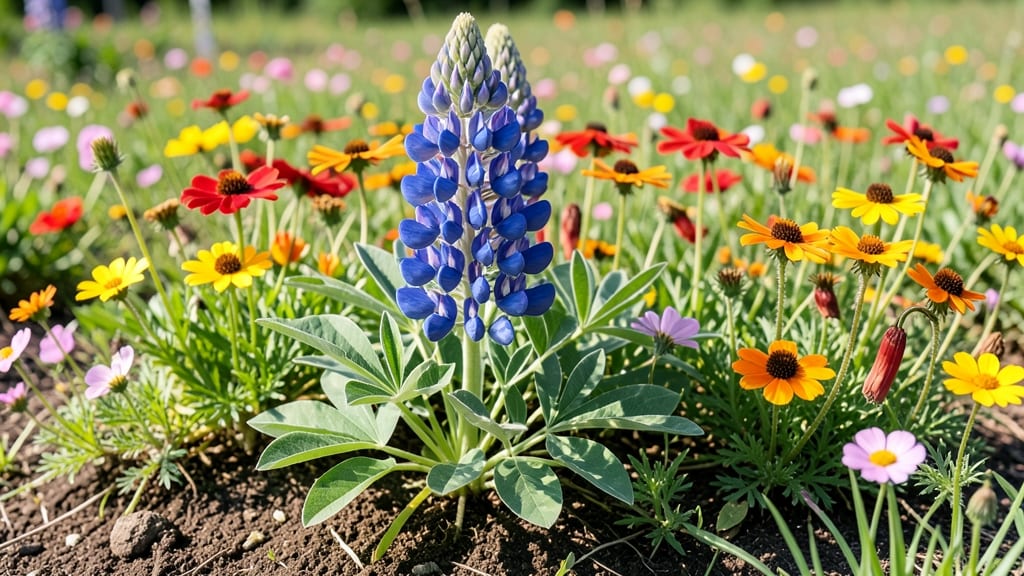
A Texas wildflower seed mix turns your yard into a pollinator paradise with vibrant blooms that need almost no work from you. 🌸 I’ve planted mine in rocky soil, full sun, and even a small urban lot—each time, the results are the same: four seasons of color with almost no maintenance.
The secret lies in the mix itself—native species like bluebonnets, Indian paintbrush, and black-eyed Susans thrive in Texas heat and drought once established. You’ll need a sunny spot, minimal soil prep, and a good soaking every few weeks until roots take hold.
The first year is about building the soil; afterward, you’ll enjoy blooms that return year after year with almost no effort. By late spring, you’ll see a carpet of bluebonnets and red paintbrush, followed by summer’s golden blankets and fall’s fiery asters.
Butterflies, bees, and hummingbirds will visit in waves, making your yard a buzzing hub of life. The best part? No weeding, no fertilizing, just pure, natural beauty that keeps giving. This works for large fields, small urban patches, or even container gardens.
Let’s get those seeds in the ground—your future wildflower meadow starts now.
📚 In This Guide
- What you need
- Instructions
- Tips and common mistakes
- Wrapping up and next steps
What you need
- ● Texas wildflower seed mix (1–2 lbs, depending on garden size; check the label for exact coverage)
- ● Garden soil or compost mix (1–2 cubic yards for a 10’x10’ area; amend with compost for better drainage)
- ● Rake or hoe (for loosening soil)
- ● Water source (hose or sprinkler with gentle setting)
- ○ Garden twine or stakes (optional but helpful for marking rows)
- ● Broadcast spreader (for even seed distribution; rent or buy a handheld model for ~$20)
- ● Mulch or straw (1–2 bags; helps retain moisture and suppress weeds)
- ● Garden gloves (to protect hands from prickly stems)
- ○ Sunlight tracker (optional; to monitor 6+ hours of sun daily)
Step-by-Step guide to planting Texas wildflower seed mix
Here’s how to create a vibrant, low-maintenance wildflower meadow in your yard—no gardening experience required.
🌱 Step 1: Choose Your Planting Site and Prepare the Soil
Select an area with full sun (at least 6 hours of direct sunlight daily) and minimal competition from grass or weeds. Wildflowers thrive in poor soil, but they’ll perform best if you loosen the top 4 inches of soil to help seeds make contact with the earth. I like to use a broadfork or tiller for this—it aerates without killing beneficial soil organisms.
If your soil is compacted or clay-heavy, mix in 2-3 inches of compost to improve drainage. Avoid fertilizing—wildflowers grow best in lean soil. Rake the area smooth afterward to create a fine seedbed. The goal is a surface that’s firm enough to hold seeds but loose enough for roots to penetrate easily.
💧 Step 2: Scatter Seeds Evenly and Lightly Cover
Spread the Texas wildflower seed mix by hand, working in small sections to avoid missing spots. I aim for about 1/4 pound per 100 square feet—this ensures good coverage without overcrowding. For larger areas, use a broadcast spreader set to a low setting. Don’t worry about perfect uniformity; wildflowers look best when they’re natural and varied.
After scattering, lightly rake the seeds into the soil so they’re covered with no more than 1/8 inch of dirt. This protects them from birds and ensures good soil contact for germination. Press the soil gently with your hands or a board to create firm seed-to-soil contact. Water lightly afterward to settle everything—just enough to moisten the surface without creating puddles.
☀️ Step 3: Water Consistently Until Established
Keep the soil evenly moist (but never soggy) for the first 4-6 weeks after planting. Water deeply 2-3 times per week, aiming for about 1/2 inch of water per session. The key is consistency—let the top 1 inch of soil dry out between waterings to prevent fungal diseases. I set a rain gauge nearby to track moisture levels, which helps avoid over- or under-watering.
Once the seeds germinate (usually within 7-14 days), reduce watering to once a week unless your area experiences extreme heat or drought. Wildflowers are drought-tolerant once established, but they need steady moisture to take root. You’ll know they’re thriving when you see first true leaves—they’ll look lush and green, not wilted or yellow.
✂️ Step 4: Maintain with Minimal Effort
After the first year, wildflowers require almost no maintenance. Let the plants go to seed in late summer or fall—this ensures they’ll self-sow and return year after year. If weeds become an issue, spot-treat them early in the season before they compete with your wildflowers. I pull a few weeds weekly rather than letting them take over.
In early spring, cut back dead foliage to 2-3 inches above the ground. This encourages fresh growth and prevents the spread of pests. Avoid mowing until after the first flush of blooms in late winter or early spring—this is when the flowers put on their best show. Once blooming ends, you can mow or trim back as needed, but leave some seed heads for wildlife and next year’s flowers.
🪴 Step 5: Enjoy Year-Round Interest and Wildlife Benefits
Your wildflower meadow will reward you with colorful blooms from late winter through fall, depending on the mix. Bluebonnets, Indian paintbrush, and black-eyed Susans are classic Texas wildflowers that attract pollinators like bees, butterflies, and hummingbirds. I love watching monarch butterflies visit my meadow in the fall—they’re a vital part of the ecosystem.
To keep the display vibrant, avoid fertilizing or overwatering after the first year. Wildflowers thrive in natural conditions and will spread on their own. If you notice bare spots after a few years, simply scatter a little more seed mix in those areas. With minimal care, your Texas wildflower meadow will become a self-sustaining, low-maintenance haven for both you and local wildlife.
Tips & tricks for perfect Texas wildflower meadows
Here's what I've learned from planting wildflowers for over a decade—these tricks will help you avoid common pitfalls and get the most vibrant blooms possible.
Sunlight is Non-Negotiable: That 6 hours of direct sunlight mentioned in Step 1 is the absolute minimum—more is better! I've seen wildflowers thrive with 8-10 hours of sun, especially in Texas heat. If your yard has partial shade, plant sun-loving varieties like black-eyed Susans in the sunniest spots and shade-tolerant ones like bluebonnets near the edges. Trust me, the difference in bloom intensity is dramatic.
Soil Prep Makes All the Difference: When loosening that 4 inches of soil in Step 1, don't just scratch the surface—aim to break up compacted layers down to 6 inches deep if possible. This gives roots room to establish properly. For clay-heavy soil, mix in that 2-3 inches of compost thoroughly rather than just sprinkling it on top. I like to use a shovel to cut through the clay in sections, then blend the compost in with my hands—it's labor-intensive but worth it for the first year's growth.
Seed Coverage Secret: The 1/8 inch soil coverage in Step 2 is crucial—any deeper and seeds won't germinate. Here's my trick: after raking, use a piece of plywood to gently press the seeds into the soil. This creates firm contact without burying them too deep. For larger areas, I've even used a lawn roller set to its lowest setting—just a few passes creates perfect seed-to-soil contact without compacting the soil too much.
Watering Strategy for Success: During those first 4-6 weeks of watering, I've found that morning watering works best in Texas heat. Watering in the early morning gives plants time to absorb moisture before the sun evaporates it. Use a rain gauge or tuna can to measure your 1/2 inch per session—eyeballing it often leads to either too much or too little water. Once germination happens (usually within 7-14 days), I switch to soaker hoses for deeper watering without disturbing the delicate seedlings.
Pro Tips for Texas Wildflower Seed Mix
- Here's what I've learned from planting wildflowers for over a decade—these tricks will help you avoid common pitfalls...
- Sunlight is Non-Negotiable: That 6 hours of direct sunlight mentioned in Step 1 is the absolute minimum—more is bette...
- Soil Prep Makes All the Difference: When loosening that 4 inches of soil in Step 1, don't just scratch the surface—ai...
Frequently asked questions
Got questions about transforming your Texas yard with wildflowers? You’re not alone!
Here are answers to the most common queries—because even the easiest blooms deserve a little clarity.
When is the best time to plant Texas wildflower seed mix?
For spring blooms, sow seeds in late fall (October–November) so they germinate with winter rains. For fall color, plant in late summer (August–September). Avoid planting in peak summer heat—seeds need moisture to sprout!
How long does it take for wildflowers to bloom after planting?
Most Texas wildflower mixes bloom 6–12 weeks after germination, but some varieties (like bluebonnets) may take up to 6 months for full color. Patience pays off—once established, they’ll return yearly with minimal effort!
Do I need to water my wildflower seeds daily?
Nope! After planting, keep soil consistently moist for 2–3 weeks (water lightly daily), then taper to deep watering 1–2x/week. Once established, wildflowers thrive on rainwater alone—they’re drought-tolerant superstars!
Can I mix wildflower seeds with grass seed?
For a low-maintenance lawn, blend wildflower seeds (20–30%) with grass seed (70–80%). Just ensure your grass variety is drought-tolerant (like buffalograss) to match wildflowers’ needs. Pro tip: Mow high (3–4 inches) to protect blooms!
Will wildflowers attract bees or pests?
Wildflowers love pollinators (bees, butterflies)! If pests like aphids appear, they’re usually harmless and balance out the ecosystem. To deter critters, plant in sunny, open areas and avoid over-fertilizing. Happy pollinators = happy blooms!
How do I keep wildflowers coming back every year?
Let seeds self-reseed naturally by leaving spent blooms on stalks. Mow after flowering (not before!) to avoid cutting seed heads. For stubborn areas, lightly rake soil in early spring to expose fresh seeds. No fuss, just beauty!
Wrapping up and next steps
Transforming your Texas landscape into a vibrant wildflower oasis is easier—and more rewarding—than you think! With the right Texas wildflower seed mix, you’ll enjoy year-round blooms that attract pollinators and bring joy with minimal effort.
Whether you’re a seasoned gardener or a first-timer, these hardy seeds thrive in the Lone Star State’s climate, proving that beauty and simplicity go hand in hand.
Ready to dive in? Start by choosing your seed mix and prepping your soil—then watch your garden flourish with color and life! 🌸