
Planting
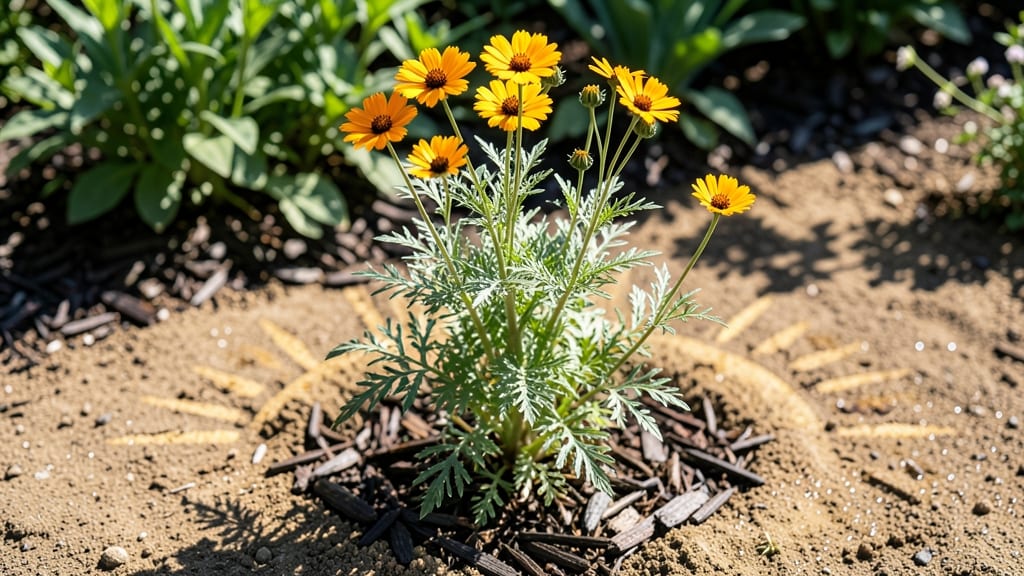
The tickseed plant care turns my summer garden into a golden explosion of cheerful blooms with almost no effort at all. 🌻 The secret lies in their resilience—drought-tolerant, pest-resistant, and happy in almost any soil—but even they need a few basics to shine their brightest.
I’ve grown these sun-lovers for years, and once you master their simple care routine, they’ll reward you with blooms from early summer through frost.
These plants thrive in full sun (at least 6-8 hours daily), where they’ll put on their best show, and they’re surprisingly forgiving about soil—just make sure it drains well.
Watering is where most people overcomplicate things: once a week during dry spells keeps them happy, but they’ll bounce back even if you forget. A light feed with balanced fertilizer in spring jumpstarts growth, and that’s about it for fuss.
Pruning isn’t just optional—it’s the trick to longer blooming seasons. Snip back spent flowers (or the whole plant in fall) to encourage fresh growth, and you’ll get a second wave of blooms before winter.
They rarely have pest problems, but keep an eye out for aphids—just spray with water if you spot them. The result? A garden that looks like it belongs in a postcard, with almost no work.
Perfect for borders, containers, or wildflower meadows, tickseeds adapt to almost any spot. Whether you’re a beginner or just want a low-maintenance star for your garden, these plants deliver. Let’s get them thriving for you!
📚 In This Guide
- What you need
- Instructions
- Tips and common mistakes
- Wrapping up and next steps
What you need
- ● Tickseed seeds or nursery-grown plants: Choose Coreopsis verticillata (threadleaf), Coreopsis grandiflora (large-flowered), or other varieties. Buy 5–10 seeds or 2–3 young plants for a full display.
- ● Well-draining potting mix: A blend of 60% garden soil, 30% perlite or sand, and 10% compost (or use cactus/succulent mix for containers).
- ● Containers or garden bed: For containers: Use pots 6–12 inches deep with drainage holes (one 5–6 inch pot per plant or cluster 3–4 seeds in a 10-inch pot).
- ● For garden beds: Pick a spot with 6+ hours of sunlight and loose, well-draining soil.
- ● Watering can or hose with a gentle spray nozzle: Tickseeds hate soggy roots—aim for 1 inch of water per week (adjust for rain).
- ○ Fertilizer (optional but helpful): Slow-release granular fertilizer (e.g., 10-10-10 or 5-10-10) for planting.
- ● Balanced liquid fertilizer (e.g., 20-20-20) for mid-season feeding (dilute to ½ strength).
- ○ Gloves (optional but recommended—tickseed stems can be prickly!).
- ● Hand trowel or small spade for planting.
- ● Pruning shears for deadheading or shaping (sterilize with rubbing alcohol between cuts).
- ○ Mulch (optional): 2–3 inches of shredded bark or straw to retain moisture and suppress weeds.
- ● Plant labels (if growing multiple varieties).
Step-by-Step instructions for growing tickseed plants
Tickseed thrives with minimal fuss—here’s how to keep it blooming beautifully with just a few key steps.
🌱 Step 1: Choose the Right Spot for Bright, Indirect Light
Tickseed loves bright, indirect sunlight—think east-facing windows or a few feet from a south window. Direct midday sun can scorch its delicate leaves, so if you notice brown patches, move it back 6-12 inches from the glass. I’ve found that rotating the pot quarter-turn weekly keeps growth even and prevents lopsided stems.
Watch for first true leaves—they’ll tell you the plant is settling in. If they’re pale and stretched, your light is too weak. A simple grow light on a timer for 12-14 hours daily fixes this instantly. Tickseed’s natural habitat is dappled shade, so mimic that indoors.
💧 Step 2: Water When the Top Inch of Soil Feels Dry
Overwatering is the #1 killer of tickseed plants. Stick your finger 1 inch deep into the soil—if it’s dry, water thoroughly until water runs out the drainage hole. Let excess drain completely; soggy soil invites root rot. I water mine every 5-7 days in spring/summer, but cut back to every 10-14 days in winter when growth slows.
Use room-temperature water to avoid shocking the roots. You’ll know you’ve nailed the moisture balance when the soil stays lightly damp but never soggy. Yellowing leaves? You’re overwatering. Crispy edges? Time to water. Tickseed’s thick leaves store moisture, so it’s surprisingly drought-tolerant once established.
☀️ Step 3: Feed Lightly During Blooming Season
Tickseed isn’t a heavy feeder, but a balanced liquid fertilizer (half-strength) every 4-6 weeks in spring and summer encourages those vibrant blooms. I mix mine with water and apply it after watering to avoid burning roots. Skip fertilizer in fall/winter—the plant’s resting, and extra nutrients just cause leggy growth.
Watch for new flower buds forming—this is your cue to fertilize again. If buds drop before opening, your plant is stressed (usually from underwatering or drafts). Tickseed blooms best with moderate humidity, so a quick misting or pebble tray with water nearby helps in dry indoor air.
✂️ Step 4: Prune for Bushier Growth and More Flowers
After each bloom cycle, trim back stems by one-third to encourage branching. Use clean, sharp scissors to cut just above a leaf node—this is where new growth will sprout. I deadhead spent blooms too, which redirects the plant’s energy into producing fresh flowers instead of seeds.
If your tickseed gets leggy (stems stretching toward the light), it’s begging for more brightness or a prune. Pinch back the tips of the longest stems to force bushier growth. You’ll see new leaves emerging within 2-3 weeks—that’s your signal everything’s working. Pruning also keeps the plant compact, perfect for small spaces.
🪴 Step 5: Repot Every 2-3 Years for Fresh Soil
Tickseed doesn’t need frequent repotting, but when roots circle the pot or growth slows, it’s time. Choose a container just 1-2 inches larger in diameter—bigger pots hold too much moisture and stunt blooms. I use a mix of potting soil and perlite (half and half) for drainage.
Gently loosen the root ball before transferring to the new pot. Tap the container lightly to settle the soil, then water lightly to help roots adjust. After repotting, keep the plant in bright, indirect light for 1 week to reduce stress. You’ll notice fresh growth within 3-4 weeks—a sign the plant’s happy in its new home.
Tips & tricks for perfect tickseed plant care
These simple tricks will help your tickseed thrive with minimal effort and maximum blooms.
Light Rotation Secret: I learned this the hard way after watching my tickseed grow lopsided toward the window. That quarter-turn weekly rotation in Step 1 isn't just about looks—it ensures even light exposure all around the plant. Think of it like turning a roast in the oven for consistent cooking. If you forget to rotate, simply turn the pot 90 degrees every time you water as a reminder.
Watering Confidence: The finger test in Step 2 is foolproof, but here's what I do to avoid overwatering: I use a moisture meter for the first few weeks until I get a feel for the soil's moisture level. Tickseed's thick leaves are actually moisture storage tanks, so they can handle brief dry spells. If you're unsure, it's always better to wait an extra day before watering—underwatering is less damaging than soggy soil.
Fertilizer Timing: The 4-6 week feeding schedule in Step 3 is perfect, but I've found that applying fertilizer right after watering (as mentioned) prevents salt buildup that can burn roots. For extra insurance, I always dilute the fertilizer to half-strength—this prevents any potential stress while still giving your plant the nutrients it needs for those vibrant blooms. The key is consistency: stick to the schedule, and you'll see buds forming within 2-3 weeks.
Pruning Payoff: When you're pruning those leggy stems in Step 4, don't throw away the cuttings! Place them in water for a week—you might be surprised when they root and become new plants. This is how I've propagated several tickseed plants from just one. The 2-3 week growth spurt after pruning is your reward for keeping the plant compact and healthy.
Pro Tips for Tickseed Plant Care
- These simple tricks will help your tickseed thrive with minimal effort and maximum blooms.
- Light Rotation Secret: I learned this the hard way after watching my tickseed grow lopsided toward the window.
- Watering Confidence: The finger test in Step 2 is foolproof, but here's what I do to avoid overwatering: I use a moisture meter for the first few weeks until I get a feel for the soil's moisture level.
Frequently asked questions
How often should I water my tickseed plant?
Water your tickseed plant only when the top 1-2 inches of soil feel dry. Overwatering is the #1 killer—these drought-tolerant beauties thrive on neglect! In hot climates, water every 7-10 days; in cooler weather, stretch it to 2-3 weeks. Pro tip: Yellow leaves? You’re likely overdoing it!
When is the best time to prune tickseed plants?
Prune right after flowering (late spring/early summer) to encourage bushier growth. Trim back dead or leggy stems to shape the plant, but avoid heavy pruning—tickseed plants bounce back fast! Bonus: Pruned stems can root in water for free propagation.
Can tickseed plants grow in containers, and what size pot do they need?
Use a 5-7 gallon pot with drainage holes for mature plants. Smaller pots work for young seedlings, but upgrade as roots spread. Key tip: Mix in perlite or sand to prevent soggy soil—root rot is a silent threat.
Why are my tickseed leaves turning yellow or spotted?
Yellow leaves often mean overwatering or fungal issues. Spots? Check for powdery mildew (common in humid areas). Improve airflow, reduce watering, and spray with neem oil if needed. Prevention: Avoid wetting foliage during watering.
Do tickseed plants attract pollinators, and how can I boost blooms?
Yes! Their bright flowers draw bees, butterflies, and hummingbirds. For more blooms, fertilize lightly with low-nitrogen, high-phosphorus fertilizer in spring. Deadhead spent flowers to prompt continuous blooming. Sun tip: Full sun = more flowers!
Wrapping up and next steps
Caring for your tickseed plant is simpler than you think—just a little sunlight, well-draining soil, and occasional attention to keep those vibrant blooms coming! 🌸 With the right balance of water, pruning, and pest awareness, you’ll enjoy year-round color with minimal effort.
Whether you’re a beginner or a seasoned gardener, this hardy plant rewards patience with stunning results.
Ready to watch your tickseed thrive? Start small—plant one today! Grab your supplies, follow the steps, and soon you’ll be basking in the beauty of low-maintenance blooms. Happy gardening! 🌿