
Lawn
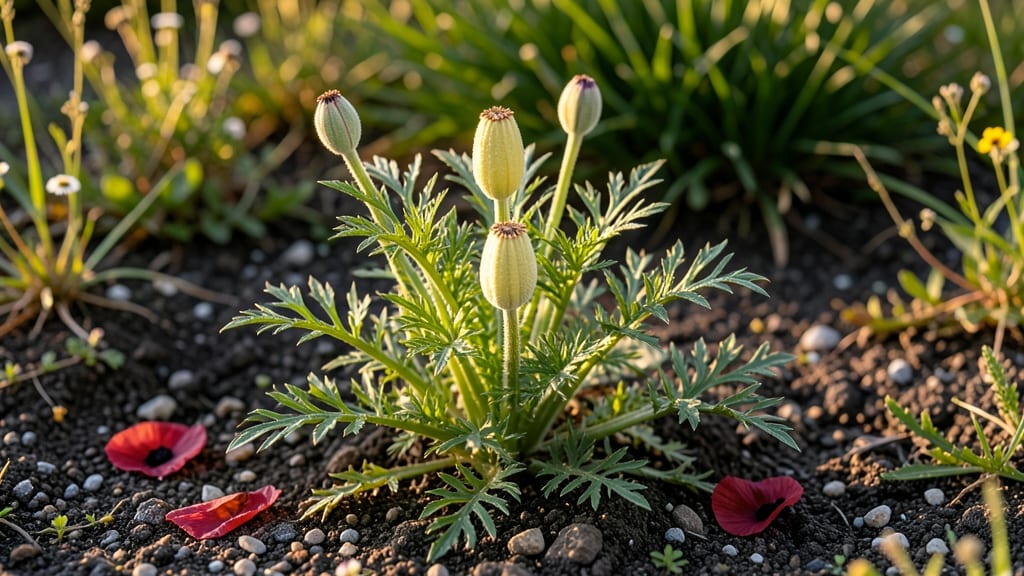
Your unripe poppy seed pods might be tougher than a stubborn weed—until you try this cold-soaked softening trick. 🌱 I’ve wrestled with leathery pods that split open only to reveal half-baked seeds, and this method finally cracked the code.
The issue? Poppies need just the right balance of warmth, water, and patience to ripen properly—or they’ll stay stubbornly closed, leaving you with empty promises of next year’s blooms.
Most gardeners blame pests or poor soil, but the real culprit is often inconsistent sunlight or uneven watering. Poppies are dramatic divas—they want full sun and well-drained soil, but too much moisture or shade turns their pods into unyielding armor.
Once you adjust their care, you’ll spot the difference: ripe pods turn papery and golden, while unripe ones stay green and tight. The cold soak? It’s the secret weapon to coax those stubborn seeds loose without bruising them.
By the end, you’ll have a bowl of plump, easy-to-crack poppy seeds ready for planting—no more wrestling with rock-hard pods. The process takes just 24 hours, and the results are worth it: faster germination and stronger seedlings.
Plus, you’ll finally understand why your poppies acted out last season. Here’s how to fix it for good.
This works for all poppy varieties, from delicate opium poppies to hardy California poppies. Whether you’re dealing with a single stubborn plant or a whole patch, the same principles apply. Let’s get those seeds out of their stubborn shells!
📚 In This Guide
- What you need
- Instructions
- Tips and common mistakes
- Wrapping up and next steps
What you need
- ● Unripe poppy seed pods: Harvest 10-20 pods (or more if scaling up) from healthy, mature poppy plants. Ensure they’re greenish-brown and slightly firm but yielding when gently squeezed.
- ● Large glass jar or airtight container: A quart-sized mason jar (or similar) with a lid to hold pods and liquid.
- ● Cold water: Enough to fully submerge the pods (typically 1-2 cups for 10-20 pods). Use filtered or distilled water for best results.
- ● Fine-mesh strainer or cheesecloth: For draining water and separating seeds from pods.
- ● Wooden spoon or spatula: To gently agitate pods during soaking.
- ● Paper towels or clean kitchen towel: For drying extracted seeds.
- ● Small bowl or plate: To collect seeds after extraction.
- ○ Rubbing alcohol (70% isopropyl) and cotton swab (optional but recommended): To sterilize tools and surfaces, reducing contamination risk.
- ● Food dehydrator or oven: For drying seeds faster (set to 95°F (35°C) or lower to avoid heat damage).
- ● Plastic gloves: If you’re sensitive to plant sap or prefer hygiene during handling.
- ● Labeling tape and marker: To track soaking dates or seed batches.
- ● Small sieve or colander: For rinsing pods if water becomes murky.
Step-by-Step guide to softening unripe poppy seed pods for easy seed extraction
Cold-soaking unripe poppy pods makes seed extraction effortless—here's how to do it without stress.
🌱 Step 1: Harvest and Prepare the Pods
Pick fully formed but still green poppy seed pods when they're firm but pliable—this is your sweet spot for cold-soaking success. Avoid pods with any brown spots or cracks, as they won't soften evenly and may attract pests. I like to harvest in the early morning when pods are hydrated from dew, making them easier to handle.
Gently twist each pod to remove it from the stem. If it resists, use clean pruning shears to avoid damaging the plant. Place the pods in a single layer on a paper towel or clean cloth to prevent moisture buildup between them. This prevents mold from forming during the soaking process.
💧 Step 2: Cold-Soak the Pods for Perfect Softening
Fill a clean bowl or container with cold water—room temperature is fine, but avoid warm water as it can accelerate spoilage. Submerge the pods completely and let them soak for 12-24 hours. You'll know they're ready when the outer husk softens enough to press gently with your thumb without resistance.
Check the pods after 12 hours—if they're still firm, give them another 4-6 hours. Over-soaking can make them mushy, which complicates seed extraction. I like to soak mine overnight on the kitchen counter, then check in the morning before proceeding.
✂️ Step 3: Extract the Seeds Gently
After soaking, drain the pods and place them on a clean towel. Using a small knife or your fingers, carefully slit the pod lengthwise along one seam. Avoid cutting too deeply—you only need to separate the husk enough to expose the seeds inside. Poppy seeds are delicate, so handle them with care to prevent damage.
Gently squeeze the pod to release the seeds. They should come out easily now that the husk is softened. Place the seeds in a fine-mesh strainer or sieve to remove any remaining husk fragments. I like to spread them on a baking sheet to dry completely before storing—this prevents clumping and makes them easier to use later.
☀️ Step 4: Dry and Store the Seeds
Spread the extracted seeds in a single layer on a clean, dry surface in a well-ventilated area away from direct sunlight. They need 24-48 hours to dry completely—you'll know they're ready when they feel crisp to the touch and no longer stick together. If your climate is humid, use a fan on low heat to speed up the process.
Once fully dry, store the seeds in an airtight container like a glass jar. Keep them in a cool, dark place to maintain freshness. Properly stored poppy seeds can last for up to 1 year, though they're best used within 6 months for peak flavor and viability.
Tips & tricks for perfectly softened poppy seed pods
Here's what nobody tells you about making this process foolproof—these little tricks save time and frustration.
Selection Tip: Harvest pods when they're just starting to turn brown at the edges but still feel firm to the touch. The ideal pods should be about 70% green and 30% brown—this stage gives you the perfect balance of softness and structural integrity after soaking. I've learned this the hard way after trying to soak fully brown pods that just turned mushy without yielding good seeds.
Soaking Strategy: For the 12-24 hour soak, use filtered water if your tap water has high mineral content—this prevents any metallic taste from transferring to your seeds. Place a small weight (like a clean stone) on top of the pods to keep them fully submerged, especially if you're soaking overnight. This ensures even softening throughout the entire pod, making seed extraction much easier in Step 3.
Extraction Hack: After draining the pods in Step 3, place them on a clean kitchen towel and roll them gently between your palms. This creates small cracks along the seams without cutting, making it easier to see where to make your initial slit. The pods will naturally open along their natural seams when you apply gentle pressure, revealing the seeds inside with minimal effort.
Drying Wisdom: When drying your seeds for the 24-48 hours in Step 4, avoid using a dehydrator on high heat—even low heat can damage the delicate seeds. Instead, place them in a single layer on a wire rack set over a baking sheet. This allows airflow from all sides while keeping them off any potentially damp surface. The seeds are ready when they make a crisp sound when rubbed between your fingers.
Pro Tips for Unripe Poppy Seed Pod
- Here's what nobody tells you about making this process foolproof—these little tricks save time and frustration.
- Selection Tip: Harvest pods when they're just starting to turn brown at the edges but still feel firm to the touch. T...
- Soaking Strategy: For the 12-24 hour soak, use filtered water if your tap water has high mineral content—this prevent...
Frequently asked questions
Got questions about working with unripe poppy seed pods? You’re not alone—these delicate pods can be tricky! Here are some of the most common concerns and straightforward answers to help you navigate the process like a pro.
Why can’t I just harvest poppy seeds straight from unripe pods?
Unripe poppy seed pods are tough and fibrous, making it nearly impossible to crack them open by hand. The seeds inside are still developing, and the pod’s structure resists natural extraction. Cold-soaking softens the pod’s outer layer, making it pliable enough to gently coax out the seeds without damaging them.
How long should I soak unripe poppy seed pods for best results?
For optimal softening, soak the pods in cold water for 24–48 hours. Check them after 24 hours—if they’re still resistant, give them an extra 12–24 hours. Avoid warm water, as it can cause the pods to rot or mold. Pro tip: Use a sealed container with a tight lid to keep moisture in and contaminants out!
What if my pods start to mold or smell bad during soaking?
Mold or a foul odor means the pods are spoiling—toss them immediately! To prevent this, use clean, filtered water and store the pods in a sterile container (like a glass jar). If you notice any discoloration or slimy texture, discard the batch and start fresh. Always work in a clean, dry space to minimize contamination risks.
Are there alternatives to cold-soaking for extracting seeds from unripe pods?
Cold-soaking is the gentlest method, but if you’re in a hurry, you can try lightly drying the pods in the sun for a few hours to soften them slightly before attempting to crack them open. However, this method is less reliable and may still leave seeds stuck inside. For large batches, a mortar and pestle can help, but be gentle—overforce can crush the seeds!
Will cold-soaking affect the flavor or nutritional value of the poppy seeds?
Nope! Cold-soaking is purely a mechanical process—it doesn’t alter the seeds’ flavor or nutritional profile. The seeds remain raw, intact, and ready for baking, sprinkling, or cooking. Just rinse them thoroughly after extraction to remove any residual pod bits. For best results, store them in an airtight container in a cool, dark place to preserve freshness.
Wrapping up and next steps
Mastering the art of softening unripe poppy seed pods through cold soaking unlocks a world of effortless seed extraction—whether for culinary delight or garden growth! 🌱 The key takeaway?
Patience and precision pay off: a simple overnight soak in cold water, followed by gentle squeezing, transforms stubborn pods into a seed-yielding treasure. Ready to elevate your harvest game?
🚀 Your Next Step
Grab those pods, follow the steps, and experiment with timing or water temps to find your perfect method. Share your success—or even your seed recipes—with fellow gardeners! The best part? You’re now equipped to tackle any tricky pod with confidence. Happy harvesting! 🌟