
Propagation
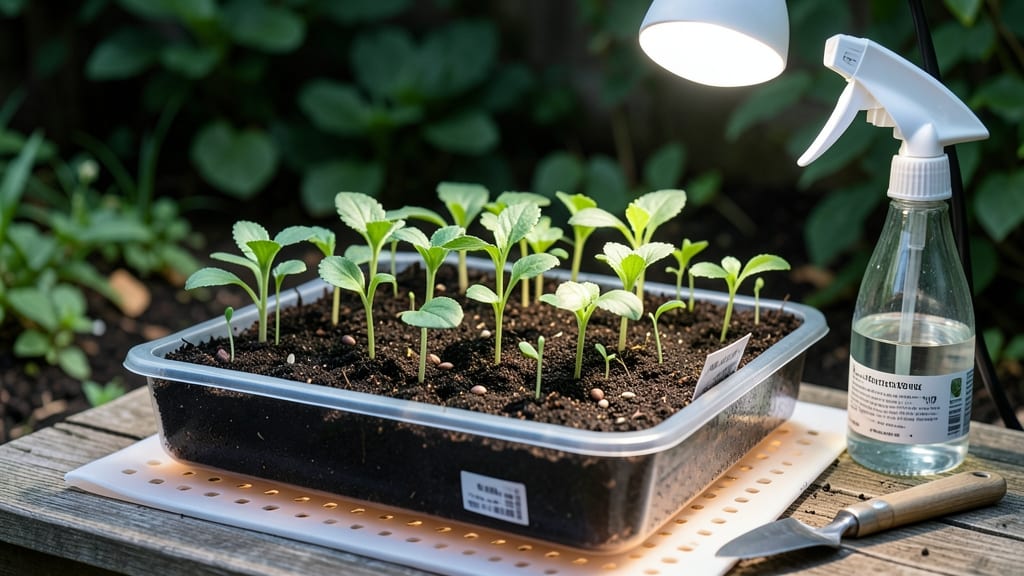
Starting zinnias from seed indoors gives you vibrant blooms by Memorial Day—no twist struggles, no guesswork. ✨ I’ve grown zinnias for years, and the secret to strong, healthy seedlings starts with the right timing, soil, and light.
Most people rush the process, but patience here means fewer leggy plants and more blooms by summer.
You’ll need just three simple supplies: seed-starting mix, small pots (or a tray), and a grow light or sunny windowsill. Zinnias germinate fast—usually within 5-7 days—but keeping the soil warm and moist is key.
Too much water causes damping off, so use a spray bottle instead of pouring. My first batch of seedlings thrived because I stuck to a consistent watering schedule.
By day 60, you’ll have sturdy plants ready to transplant outside, bursting with color long before store-bought seedlings catch up. The blooms come in every shade—red, pink, orange, even deep purple—and they attract butterflies all season. No weak stems here; these zinnias grow bold and bushy from the start.
This method works for any climate, whether you’re in a cold northern zone or a warm southern one. The only rule? Start seeds 6-8 weeks before your last frost date, and you’ll have cut flowers for your table by summer.
Let’s get those seeds going—your garden will thank you!
📚 In This Guide
- What you need
- Instructions
- Tips and common mistakes
- Wrapping up and next steps
What you need
- ● Zinnia seeds: Choose heirloom or hybrid varieties (e.g., 'Benary’s Giant' or 'Profusion'). Aim for 2-3 seeds per small pot (or 1 seed per cell in seed-starting trays).
- ● Seed-starting trays or small pots: Use 3-4 inch pots or a seed-starting tray with individual cells (2-3 inches deep).
- ● High-quality seed-starting mix: A sterile, well-draining mix (avoid garden soil—it’s too dense!). Look for labels like "seed-starting blend" or "potting mix."
- ● Grow lights or a sunny windowsill: Zinnias need 12-16 hours of light daily. A full-spectrum LED grow light (or a south-facing window) works best.
- ○ Plastic wrap or humidity dome: Keeps moisture in until germination (optional but helpful for faster sprouting).
- ● Spray bottle with water: For gentle hydration—avoid soaking the soil.
- ○ Fertilizer (optional but recommended): A balanced liquid fertilizer (e.g., 5-5-5 or 10-10-10) diluted to half-strength.
- ● Or slow-release granules mixed into the soil at planting.
- ● Plant labels and a marker: Track varieties and planting dates.
- ● Small hand trowel: For transplanting seedlings later.
- ○ Heat mat (optional): Speeds up germination if your home is below 65°F (18°C).
- ○ Fan (optional): A small clip-on fan strengthens seedlings by mimicking wind.
- ● Warmth: Ideal germination temp is 70-75°F (21-24°C). Avoid cold drafts!
- ● Patience: Germination takes 7-14 days—stay consistent with care!
- ● Space: Ensure your setup allows for 6-12 inches of growth before transplanting outdoors.
Step-by-Step instructions for growing zinnias from seed indoors
Here's how to get vibrant zinnias blooming in just 60 days—no tricky transplanting required.
🌱 Step 1: Prepare Containers and Seed Starting Mix
Fill 4-inch diameter pots with a sterile seed-starting mix—never garden soil, which can harbor fungal spores that kill delicate seedlings. I like to mix in a handful of perlite to improve drainage and prevent compaction. Moisten the mix until it feels like a damp sponge, not dripping wet.
Press the soil down gently to remove air pockets but don't pack it tightly. The goal is a firm yet loose surface that holds moisture without suffocating roots. Tap each pot lightly on the table to settle the soil evenly. This ensures consistent moisture and prevents uneven germination.
🌱 Step 2: Sow Seeds at the Right Depth
Plant 2-3 seeds per pot at a depth of about ¼ inch—just enough to cover them lightly. Zinnia seeds are tiny, so I use a toothpick to create small holes and drop them in one at a time. Covering them too deeply delays germination because the seedling must push through more soil.
Mist the surface gently with a spray bottle until the soil looks uniformly damp. Avoid heavy watering, which can wash seeds deeper than intended. Label each pot with the variety and date—zinnias grow fast, and you'll forget which pot you started first.
💧 Step 3: Provide Warmth and Humidity for Germination
Cover the pots with a clear plastic dome or wrap them in plastic wrap to retain warmth and moisture. Zinnias germinate best at 70-75°F, so place them on a seedling heat mat if your home runs cooler. Expect sprouts in 7-14 days, though some varieties may take longer.
Check daily but resist the urge to water—condensation inside the dome keeps humidity high. Once 50% of seeds have sprouted, remove the cover immediately to prevent damping-off, a fungal disease that causes seedlings to collapse overnight. Thin to the strongest seedling per pot once true leaves appear.
☀️ Step 4: Move to Bright Light Immediately
As soon as seedlings emerge, place them under a grow light or in the brightest south-facing window. Zinnias need 12-14 hours of light daily to grow strong and compact. Without enough light, seedlings stretch toward the window, becoming leggy and weak.
Keep the light 2-3 inches above the plants and raise it as they grow to maintain that distance. You'll see healthy seedlings with dark green leaves and thick stems. If leaves yellow or stems bend, your light is too far away—lower it immediately.
🌿 Step 5: Harden Off and Transplant Outdoors
Two weeks before your last frost date, start hardening off seedlings by placing them outside in a sheltered spot for 1-2 hours the first day. Gradually increase outdoor time by 1 hour daily over 10-14 days, slowly introducing more sun and wind.
Transplant outdoors after all danger of frost has passed, choosing a spot with full sun. Space plants 6-12 inches apart, depending on the variety. Water deeply at the base to help roots establish. You'll see blooms in as little as 60 days from sowing!
Tips & tricks for perfect indoor zinnia growth
Here's what I learned after growing zinnias indoors for years—these tricks make all the difference between healthy seedlings and disappointing failures.
Soil Preparation Secret: When mixing your sterile seed-starting mix with perlite in Step 1, aim for a ratio of about 80% seed mix to 20% perlite. This balance prevents compaction while still providing the moisture retention zinnias need. I've found that pre-moistening the mix and letting it sit for 10 minutes before planting helps distribute water evenly—just don't let it become soggy, as that invites fungal issues. The goal is a texture like a damp sponge that holds its shape when gently squeezed.
Germination Temperature Tip: While the instructions specify 70-75°F, I've discovered that placing your seedling heat mat on a small tray of warm water creates a more stable temperature environment. This is especially helpful if your home has drafty spots or fluctuating temperatures. The warm water acts like a heat sink, preventing sudden temperature drops that can shock delicate seeds. Monitor with a small thermometer to maintain that perfect 70-75°F range during the critical 7-14 day germination period.
Lighting Strategy: For Step 4, if you're using a grow light, consider investing in a timer that cycles it on for 12-14 hours daily—zinnias thrive on consistent light cycles. I've noticed that seedlings under timed lights grow more uniformly than those relying on natural sunlight alone. Position your light so it's just 2-3 inches above the tallest seedlings, and adjust as they grow. The key visual cue is that leaves should be dark green and upright; if they're pale or stretching upward, your light needs to be closer or stronger.
Harden Off Gradually: When you begin the hardening process in Step 5, I recommend starting with just 1 hour on the first day rather than the full 1-2 hours. This gives your seedlings time to adjust to outdoor conditions without shock. Gradually increase by 30 minutes each subsequent day rather than the full 1 hour increment. Watch for wilting or yellowing leaves—these are signs you're moving too quickly. The goal is to toughen seedlings over the full 10-14 days without causing stress that could set back their growth.
Pro Tips for Zinnias From Seed Indoors
- Here's what I learned after growing zinnias indoors for years—these tricks make all the difference between healthy seedlings and disappointing failures.
- Soil Preparation Secret: When mixing your sterile seed-starting mix with perlite in Step 1, aim for a ratio of about 80% seed mix to 20% perlite.
- Germination Temperature Tip: While the instructions specify 70-75°F, I've discovered that placing your seedling heat mat on a small tray of warm water creates a more stable temperature environment.
Frequently asked questions
Got questions about growing zinnias from seed indoors?
You’re not alone! Here are answers to the most common ones to help you avoid pitfalls and grow vibrant blooms with confidence.
When is the best time to start zinnia seeds indoors?
Start seeds 6–8 weeks before your last frost date—typically late winter or early spring. Zinnias grow fast, so avoid starting too early (they’ll get leggy). Use a seed-starting chart for your zone to pinpoint the perfect timing. Pro tip: If you’re in a warm climate, you can even direct-sow later!
Do zinnias need cold treatment (stratification) to germinate?
Nope! Zinnia seeds don’t require stratification—just warmth and moisture. Keep them in a cozy spot (70–75°F) under grow lights or a heat mat. Germination usually happens in 7–14 days. Troubleshooting: If they’re slow, check moisture levels—seeds need consistent dampness, not sogginess.
Why are my zinnia seedlings stretching tall and weak?
This is called etiolation, caused by lack of light. Move seedlings within 3–4 inches of grow lights (14–16 hours/day) or rotate trays daily for even growth. If you’re using a sunny windowsill, supplement with a LED bulb—zinnias crave brightness!
Can I grow zinnias indoors year-round, or do they need outdoor light?
Zinnias thrive outdoors, but you can extend their season indoors with strong grow lights (full-spectrum LEDs work best). Place them near a south-facing window + supplement with 12+ hours of artificial light daily. Warning: Indoor zinnias may bloom smaller or less prolifically—outdoor light is ideal for showstopping flowers!
What’s the best way to harden off zinnia seedlings before transplanting?
Start hardening off 1–2 weeks before moving outdoors. Gradually expose seedlings to outdoor conditions: begin with 1–2 hours/day in shade, then increase time and sun exposure over 7 days. Key tip: Avoid windy days—zinnias are tender until established!
Are there any zinnia varieties that do better indoors?
Dwarf varieties like ‘Thumbelina’ or ‘Crystal’ (12–18” tall) adapt better to indoor containers. Avoid tall types (like ‘Benary’s Giant’) unless you have a large, sunny space. Bonus: Try ‘Zahara’ for compact, heat-tolerant blooms!
Wrapping up and next steps
Growing zinnias from seed indoors is a rewarding journey that brings vibrant blooms to your home in just 60 days—without the fuss! With the right setup, patience, and a little care, you’ll enjoy a burst of color long before outdoor planting season.
Whether you’re a seasoned gardener or a beginner, these cheerful flowers prove that big results start small.
Ready to dive deeper? Next up: 🌱 Transplant your seedlings outdoors when the weather warms, or explore creative ways to extend their indoor display with proper lighting and care. Happy growing!