
Lawn
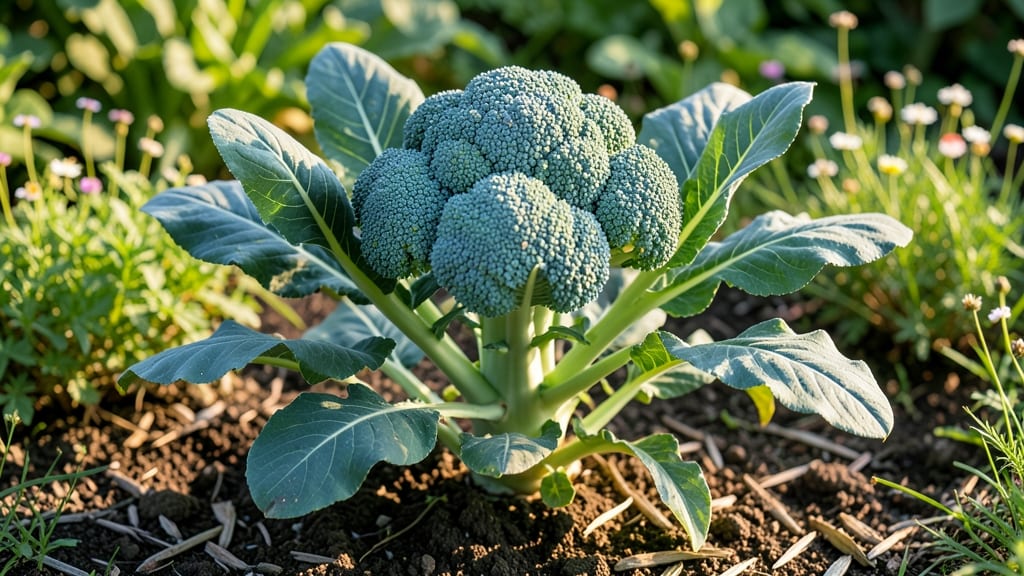
Saving broccoli seed pods turns your harvest into next year’s garden gold. 🌱 I’ve learned that heirloom varieties—like the purple-sprouting kind—pay for themselves in just one season when you skip the seed catalog.
The process is simpler than you’d think, and once you master it, you’ll never buy broccoli seeds again.
Start by letting a few mature heads bolt in your garden—those tall, flower-stalked stems are where the seeds hide. Once the pods turn brown and papery (usually 6-8 weeks after flowering), snip them carefully.
The key is drying them properly: spread them on a screen in a warm, dry spot for about two weeks. No fancy equipment needed—just patience and a dry day.
What you’ll end up with are crisp, viable seeds that store for years in a cool, dark place. Plant them next spring, and you’ll get broccoli that’s even more flavorful than store-bought—plus, you’ll save $5-$10 per packet.
The best part? You can share extras with fellow gardeners, turning your harvest into a community resource.
For beginners, isolation is critical—keep your seed-saving broccoli at least 500 feet from other brassicas to avoid cross-pollination. And if you’re in a warm climate, you might get two harvests a year: one from spring planting and another from fall. Here’s how to make it work without the guesswork.
📚 In This Guide
- What you need
- Instructions
- Tips and common mistakes
- Wrapping up and next steps
What you need
- ● Mature broccoli plants (with fully developed seed pods—look for brown, dry florets!).
- ● Sharp pruning shears or gardening scissors (sterilized to prevent disease spread).
- ● Paper bags or breathable mesh bags (1-2 per harvest, 8x10 inches or larger).
- ● Newspaper or dry, clean paper towels (for drying pods).
- ● Small wooden sticks or toothpicks (for spacing pods during drying).
- ○ Air-tight glass jars or resealable plastic bags (with silica gel packets optional for extra dryness).
- ● Permanent marker (to label jars with harvest date/variety).
- ○ Gloves (optional but recommended) for handling prickly pods.
- ● Dehydrator (for faster drying if pods are damp).
- ● Food-grade vacuum sealer (to extend seed viability).
- ● Seed catalog or notebook (to track varieties and germination notes).
- ● Humidity pack (for long-term storage in high-moisture climates).
How to harvest broccoli seed pods for long-term storage
Here's my foolproof method for saving broccoli seeds—no fancy tools, just patience and timing.
🌱 Step 1: Identify and Select Mature Seed Pods
Wait until your broccoli plants bolt (send up tall flowering stems) and produce small, dry pods that look like tiny brown beans. These are your seeds! I like to pick pods from the strongest plants first—they'll yield the most viable seeds. Look for pods that feel firm and dry to the touch rather than plump and green.
Harvest pods when they're fully brown but before they shatter open. If you wait too long, seeds scatter everywhere and you lose your yield. I always check pods in the morning when they're dry from dew—this makes them easier to handle without crushing.
🌿 Step 2: Dry and Clean the Seed Pods
Spread the harvested pods on a clean, dry towel in a single layer. Place them in a warm, dry spot with good airflow—like a sunny windowsill or a well-ventilated shelf. I avoid direct sunlight here because it can overheat the pods and reduce seed viability.
Let them dry for about 5-7 days, turning them occasionally to ensure even drying. You'll know they're ready when the pods are completely dry and rattle when shaken. If any pods still feel damp, give them a few more days. Over-drying won't hurt, but under-drying can lead to mold.
✂️ Step 3: Extract Seeds from the Pods
Once the pods are bone-dry, gently crush them between your fingers or use a small hammer to break them open. I like to do this outside or over a tray to catch the tiny seeds—broccoli seeds are so small they scatter easily. Wear a mask if you're sensitive to dust, as the dried pods can be quite powdery.
Separate the seeds from the chaff by placing them in a bowl of water. Good seeds will sink to the bottom while empty or damaged seeds float. Drain the water, then spread the clean seeds on a fresh towel to dry completely for another 2-3 days. This final drying step ensures your seeds won't mold in storage.
🪴 Step 4: Store Seeds Properly for Year-Round Use
Transfer your dried seeds to a labeled envelope or small airtight container. I like to use glass jars with tight-sealing lids because they keep moisture out. Add a silica gel packet to absorb any lingering dampness—this is key for long-term storage.
Store the container in a cool, dark place like a pantry or refrigerator. Broccoli seeds stay viable for 2-3 years when stored properly. Label your container with the variety and harvest date so you don't forget what you've saved. Check seeds annually for signs of moisture or pests—if you see anything suspicious, transfer them to a fresh container immediately.
Tips & tricks for perfect broccoli seed pod harvesting
A few simple tricks will help you maximize your seed yield and keep them viable for years. Here's what I've learned from years of saving broccoli seeds:
Timing is Everything: Harvest pods in the morning when they're dry from dew—this makes them easier to handle without crushing. I've ruined batches by harvesting damp pods that stuck together or shattered when I tried to open them later. The morning dew actually helps the pods dry more evenly throughout the day.
Drying Strategy: The 5-7 day drying period in Step 2 is non-negotiable for seed viability. I place my drying tray on a mesh rack over a baking sheet to catch any stray seeds or debris that might fall through. This prevents cross-contamination with other seeds or dirt. Turn the pods every day or so—they dry fastest on their edges, so you want even exposure to air.
Seed Extraction Hack: For Step 3, I use a small rolling pin instead of my fingers to crush the pods—it's much more effective and less messy. After crushing, I pour the seeds and chaff into a fine-mesh strainer over a bowl of water. The good seeds sink immediately, while empty chaff floats to the top. This water separation method is faster than picking through debris by hand and gives you cleaner seeds.
Storage Wisdom: The 2-3 year viability window is only true if you keep seeds completely dry. I add a small packet of uncooked rice to my storage containers along with the silica gel—it acts as a secondary moisture absorber. Every year when I check my seeds, I transfer them to a fresh container with a new rice packet to maintain maximum freshness.
Pro Tips for Broccoli Seed Pods
- A few simple tricks will help you maximize your seed yield and keep them viable for years. Here's what I've learned f...
- Timing is Everything: Harvest pods in the morning when they're dry from dew—this makes them easier to handle without ...
- Drying Strategy: The 5-7 day drying period in Step 2 is non-negotiable for seed viability. I place my drying tray on ...
Frequently asked questions
Got questions about harvesting and storing broccoli seed pods? You’re not alone! Here are some of the most common concerns—and their answers—to help you master the process like a pro.
When is the best time to harvest broccoli seed pods?
Harvest seed pods when they’re dry and brown but haven’t split open yet—usually 60–90 days after flowering. If left too long, the pods will crack, scattering seeds everywhere. For consistent results, pick pods in the morning when humidity is low.
Can I store broccoli seeds from pods for next year?
Clean and dry the seeds thoroughly, then store them in a cool, dark place (like a sealed jar in the fridge) for up to 3–5 years. Test viability by planting a few—if they sprout, your batch is good to go!
What do I do if my broccoli pods are moldy or rotting?
Mold or rot usually means high humidity or poor airflow during drying. If caught early, spread pods in a single layer under a fan for 2–3 days. For severe cases, discard affected pods—don’t risk contaminating your seed stash!
Are there alternatives if I don’t have broccoli plants?
No broccoli? Try kale, cabbage, or Brussels sprouts—they produce seed pods too! Just follow the same drying process. Or buy organic broccoli seeds from a reputable supplier to skip the harvest step entirely.
How do I handle seed pods in humid climates?
Humidity is the enemy of seed drying! Use a dehumidifier or silica gel packets in your drying area. A food dehydrator on low heat (95°F) can also speed up the process safely.
Wrapping up and next steps
Harvesting broccoli seed pods is simpler than you think—and the rewards are worth it! With the right timing, tools, and storage know-how, you can enjoy fresh seeds year-round for your garden.
Whether you're a seasoned gardener or just starting out, these pods offer an easy way to save money and ensure a thriving harvest.
Ready to take the next step? Start small—try harvesting a few pods this season, experiment with storage methods, and watch your gardening skills (and seed stash!) grow. Happy growing! 🌱✨