
Lawn
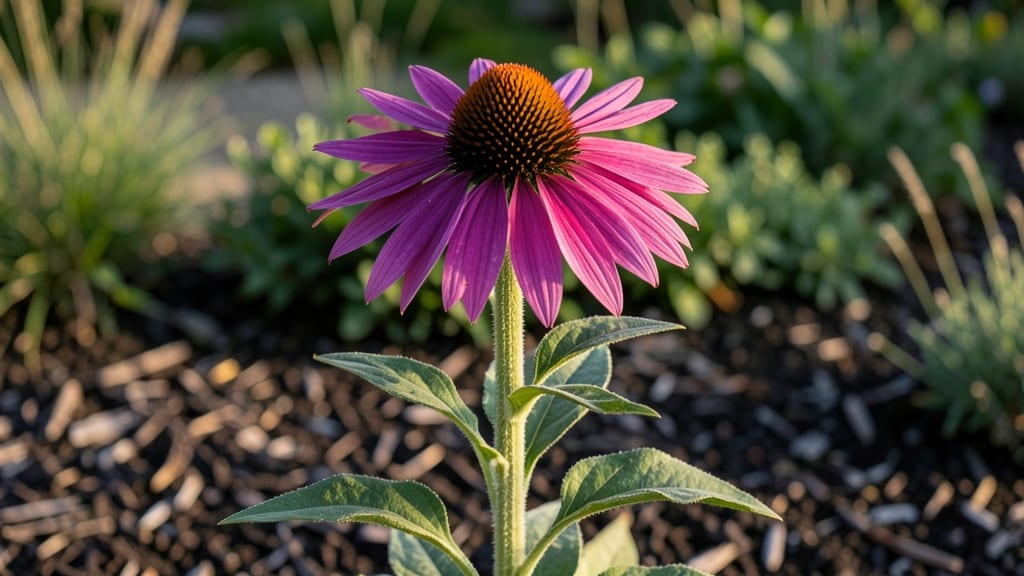
Those papery coneflower seed heads hold a secret—twist-release harvesting turns them into free, zero-waste garden gold. 🌻 I used to toss them after blooms faded, but now I collect them in brown paper bags, letting the seeds dry naturally. The trick?
A simple twist releases plump, viable seeds ready for next year's garden. You'll need just three things: sharp scissors, a paper bag, and patience. Cut the dried seed heads when they turn tan and papery, then twist the stems to release seeds into your bag.
Store them in a cool, dry place until spring planting—no fancy equipment needed. Once dry, you can replant them directly or use the seed heads in dried arrangements, bird feeders, or even homemade potpourri.
The seeds stay viable for years when stored properly, giving you a free, reliable source of coneflowers for seasons to come. This method works for any perennial coneflower variety and turns what would be waste into a gardening resource. Here's how to make the most of those beautiful seed heads!
📚 In This Guide
- What you need
- Instructions
- Tips and common mistakes
- Wrapping up and next steps
What you need
- ● Gather these simple yet essential materials to master the twist-release trick for harvesting coneflower seed heads—no waste, all beauty! 🌼✨
- ● Pro tip: 💡 Harvest on a dry, sunny day—moisture speeds up mold risk!
Step-by-Step instructions for harvesting coneflower seed heads
Here's how to collect seeds the easy way—no tools needed, just a clever twist.
🌿 Step 1: Wait Until Seed Heads Fully Mature
Leave the coneflower stalks standing until the seed heads turn a deep, papery brown and the center cones split open. You'll see the seeds inside look like tiny, dry parachutes—this is your cue they're ready. If you harvest too early, the seeds won't be fully developed.
Check daily in late summer or early fall. A gentle squeeze should release some seeds from the center cone—this confirms they're ready. I always wait until at least 80% of the seed heads in the cluster show this dry, brittle texture before harvesting.
🪴 Step 2: Hold the Stem and Twist Gently
Grasp the stem about 2-3 inches below the seed head with one hand. With your other hand, hold the seed head itself. Twist the stem gently but firmly in one quick motion. You'll feel a slight resistance as the stem separates cleanly from the base.
The twist-release trick works because coneflowers naturally detach at their weakest point. If you pull upward instead, you risk breaking the stem and leaving the seed head behind. A good twist should leave the seed head in your hand and the stem in the ground with minimal resistance.
💧 Step 3: Shake Seeds Into a Paper Bag
Hold the seed head over a brown paper bag and give it a few sharp shakes. The seeds will fall out easily once the cone opens fully. You might need to break open the cone slightly with your fingers if it's particularly stubborn—just pinch the sides gently until it splits.
Don't skip this step. Shaking directly into the bag prevents seeds from scattering everywhere. I like to do this on a dry day when there's no wind, so I don't lose any seeds to the breeze. A few shakes usually get 90% of the seeds out—what's left can stay in the garden for wildlife.
⏰ Step 4: Store Seeds in a Cool, Dry Place
Once all the seeds are collected, fold the top of the paper bag and label it with the coneflower variety and the year. Store it in a cool, dry place like a pantry or seed drawer. Coneflower seeds stay viable for 2-3 years if kept dry and protected from moisture.
I keep my seed bags in a small cardboard box with silica gel packets to absorb any excess moisture. This prevents mold and keeps the seeds fresh for next season. If you're not using them right away, check the bag monthly to ensure no moisture has seeped in.
Tips & tricks for perfect coneflower seed harvesting
Here's what nobody tells you about making this process even smoother—these little details make all the difference between a frustrating harvest and a zero-waste success.
Timing Secret: The 80% maturity rule is your best friend. I learned this the hard way after trying to harvest too early—those seeds weren't ready, and I ended up with mostly empty cones. Look for that deep papery brown color and the telltale split in the center cone. If you're still unsure, do the squeeze test: if seeds come out easily, they're ready.
The Technique That Changed Everything: For Step 2, grip the stem about 2-3 inches down—this is where the natural break occurs. I used to pull from the bottom, which often snapped the stem and left the seed head behind. The twist should feel like unscrewing a jar lid: gentle but firm, with just enough resistance to know it's working. If you feel too much resistance, you're twisting in the wrong spot.
Storage Wisdom: That 2-3 year viability window is only true if you keep them completely dry. I've seen seeds lose viability in just weeks when stored in damp conditions. Use those silica gel packets—they're a game-changer for seed longevity. I also like to add a small piece of chalk to my seed bags as a moisture absorber, especially if I'm storing them in humid climates.
Pro Tips for Coneflower Seed Heads
- Here's what nobody tells you about making this process even smoother—these little details make all the difference bet...
- Timing Secret: The 80% maturity rule is your best friend. I learned this the hard way after trying to harvest too ear...
- The Technique That Changed Everything: For Step 2, grip the stem about 2-3 inches down—this is where the natural brea...
Frequently asked questions
Got questions about harvesting and saving coneflower seed heads? You’re not alone! Here are some of the most common queries—and their easy answers—to help you master the twist-and-release trick for zero-waste gardening.
How do I know when coneflower seeds are ready to harvest?
Wait until the seed heads turn brown and papery (usually late summer to fall). The outer petals will dry out, and the central cone will feel crispy to the touch. Pro tip: Gently squeeze a seed—if it pops easily, it’s ready!
Can I harvest coneflower seeds if birds or squirrels have already visited?
Yes! Even if some seeds are gone, the remaining ones are still viable. Just twist off the dried heads and shake them into a bag. Bonus: The remaining seeds will attract pollinators while you work!
What’s the best way to store harvested coneflower seeds?
Place them in a paper envelope or breathable bag (like a coffee filter) and store in a cool, dry spot. Label with the harvest date—most seeds stay fresh for 1–2 years if kept dry. Warning: Avoid plastic bags to prevent mold!
Will coneflower seeds grow if I plant them right away?
Scatter them directly in the garden after harvest—they germinate best in well-draining soil with full sun. For faster results, lightly scratch the soil surface to improve contact. Speed hack: Mix seeds with sand for even distribution.
What if my coneflower seed heads won’t twist off?
Dry them indoors for 1–2 days (on a windowsill) to remove moisture. If stubborn, use clean scissors to snip the stem—just avoid damaging the cone. Troubleshoot: Older heads may need a firmer grip or a gentle tap.
Are there alternatives if I don’t have coneflowers?
Try other native perennials like black-eyed Susans, milkweed, or goldenrod—they produce seed heads that work the same way! Check local nurseries for drought-tolerant options. Eco tip: Support pollinators by planting a mix!
Wrapping up and next steps
Coneflower seed heads aren’t just beautiful—they’re zero-waste gold! With this simple twist-and-release trick, you’ve unlocked a sustainable way to harvest seeds while keeping your garden thriving. Whether you’re saving for next year’s blooms or sharing with fellow plant lovers, every seed head has potential.
Ready to put your new skills to use? Grab a pair of scissors, head to your garden, and start harvesting! 🌱✨ Share your seed-saving successes with us—we’d love to see your creations!