
Planting
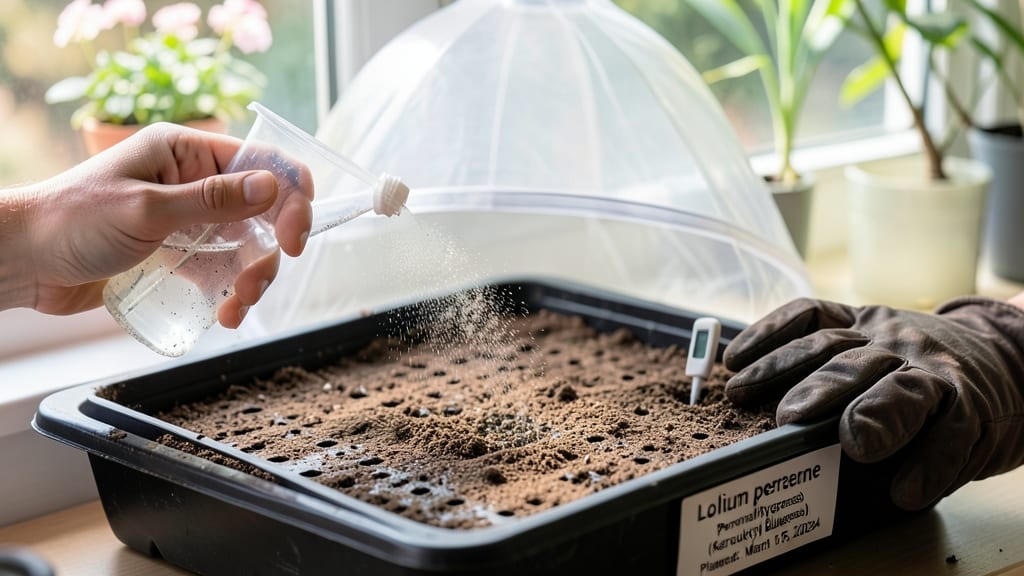
Speeding up grass seed germination means seeing those first green shoots in days instead of weeks. 🌱 I've learned that warm soil is the real game-changer—skipping the waiting game and getting your lawn established faster than ever.
The secret lies in preparing the ground just right before planting, so the seeds wake up hungry and ready to grow.
You'll need a few simple supplies: a soil thermometer (aim for 65-75°F), a rake to smooth the seedbed, and either a black plastic tarp or straw mulch to trap heat.
Most people overlook how much temperature affects germination—cool soil slows everything down, while warm soil gets those seeds sprouting in 5-7 days instead of two weeks.
Once planted, keep the soil consistently moist (not soggy) and cover the seeds lightly with straw or peat moss to protect them. You'll notice tiny sprouts pushing through within a week, and by 3-4 weeks, you'll have a lush, even lawn that rivals anything from seed packets.
The key is patience with the prep work—it pays off in faster, stronger growth.
This method works for cool-season grasses like fescue and ryegrass, and even warm-season types like Bermuda or Zoysia when planted at the right time. Whether you're repairing bare spots or starting a new lawn, these tricks cut the wait time in half—no synthetic accelerants needed.
📚 In This Guide
- What you need
- Instructions
- Tips and common mistakes
- Wrapping up and next steps
What you need
- ● High-quality grass seed: Choose a fast-germinating variety (e.g., ryegrass, fescue, or Bermuda)—1-5 lbs per 100 sq ft, depending on coverage needs.
- ● Soil thermometer: A digital or analog probe to monitor soil temps (60–75°F is ideal for most grasses).
- ● Garden rake or cultivator: For loosening soil and creating a fine seedbed (fine-toothed for precision).
- ● Watering can or hose with a gentle spray nozzle: Fine mist setting to avoid displacing seeds.
- ● Lightweight mulch or straw: ¼-inch layer to retain moisture (avoid heavy mulch—it can smother seeds!).
- ○ Compost or organic fertilizer: Balanced 10-10-10 or slow-release (optional but helpful for nutrient-boosting).
- ○ Black plastic sheeting or row covers: For warmth (optional but speeds up germination in cool climates).
- ● Seed germination accelerator: Products like humic acid or seaweed extract to kickstart growth.
- ● Heating mat or greenhouse: For indoor starts or early-season planting (70–80°F range).
- ● pH test kit: Ensure soil is 6.0–7.0 (ideal for most grasses).
- ● Epsom salt (magnesium sulfate): 1 tbsp per gallon of water for a quick nutrient boost.
- ● Compost tea or liquid fertilizer: For an extra green thumb advantage.
Step-by-Step instructions for faster grass seed germination
Here's how I get seeds popping through soil in days instead of weeks—no mystery involved.
🌱 Step 1: Prep Soil for Maximum Warmth
Loosen the top 2-3 inches of soil with a rake or tiller to create a fine, crumbly texture. Compacted soil blocks roots and slows germination. I like to add a thin layer of compost (about ¼ inch) to improve moisture retention and nutrient availability—just enough to darken the surface slightly.
Rake the area smooth, then water thoroughly until the soil feels damp 2 inches deep. This pre-moistening ensures seeds have immediate access to water when they start germinating. Let the water soak in completely before proceeding—you want the surface to feel slightly damp to the touch, not wet or muddy.
☀️ Step 2: Create a Microclimate for Warmth
Grass seeds germinate fastest when soil temperatures stay between 65-75°F. If your lawn sits in shade or cooler climates, cover the seeded area with a clear plastic sheeting secured with bricks or stakes. This creates a greenhouse effect, trapping heat from the sun and raising soil temperatures by 10-15°F.
Check the soil temperature with a soil thermometer—if it's below 60°F, the seeds won't germinate properly. In cooler weather, I lay down black plastic mulch first to absorb heat, then place the clear sheeting on top. Remove the plastic daily for 10-15 minutes to prevent overheating and waterlogged conditions.
💧 Step 3: Water Strategically for Consistent Moisture
Keep the soil evenly moist but never soggy—grass seeds need constant moisture to germinate, but standing water drowns them. Water lightly 2-3 times daily using a gentle spray nozzle or soaker hose. You'll know you're doing it right when the top ½ inch of soil stays damp but not wet.
I set a timer for 10-15 minutes per watering session to avoid overwatering. Avoid watering from above once seeds sprout—direct pressure can wash them away. Instead, water at the base or use a fine mist setting. If the soil surface dries out between waterings, germination slows dramatically.
⏰ Step 4: Monitor and Protect New Sprouts
Watch for the first sprouts to appear in 5-7 days under ideal conditions. They'll look like tiny, bright green blades about ¼ inch tall. Once you see these, remove any plastic coverings immediately to prevent overheating. New grass is delicate—even light winds can damage tender sprouts.
If birds or insects become a problem, drape lightweight netting over the area. I've seen entire patches of new grass eaten overnight if left unprotected. Keep watering consistently until the grass reaches 2-3 inches tall, then gradually reduce frequency to encourage deeper root growth.
🌿 Step 5: Transition to Normal Care
After 2-3 weeks, when the grass is about 3-4 inches tall, it's time to transition to regular lawn care. Mow at the highest setting on your lawnmower to avoid cutting more than ⅓ of the blade length. This strengthens the roots and prevents shock.
I like to fertilize with a starter blend at this stage to give the young grass a nutrient boost. Water deeply after fertilizing to help the nutrients reach the roots. From here, maintain regular mowing and watering schedules—your fast-start lawn will thank you with thick, lush growth.
Tips & tricks for perfect grass seed germination
Here's what nobody tells you about the little details that make all the difference between waiting weeks and seeing sprouts in days.
Soil Depth Matters: When loosening that top 2-3 inches of soil in Step 1, focus on breaking up any compacted layers below the surface. I use a garden fork to gently loosen deeper layers—this creates better root penetration later. The goal is to create a fluffy texture where seeds can settle comfortably without hitting hardpan. For clay-heavy soils, mix in some coarse sand to improve drainage.
Temperature Timing: The 65-75°F range in Step 2 is critical, but here's the secret: check temperatures in the late afternoon when soil is warmest. If you're using black plastic mulch, place it down 2-3 days before seeding to let it absorb maximum heat. I've seen soil temperatures jump from 55°F to 72°F in just 48 hours with this method. Remember to remove the plastic daily for those 10-15 minutes to prevent overheating above 85°F.
Watering Precision: Those 2-3 watering sessions in Step 3 should happen at consistent intervals—morning, midday, and evening work best. Use a spray nozzle set to "mist" for the first 24 hours to create a fine, even moisture layer. I like to water just before the plastic sheeting goes on in Step 2, so the condensation helps maintain humidity overnight. The key is to keep that top ½ inch damp without creating puddles.
Sprout Protection Strategy: Once you see those tiny ¼-inch sprouts in Step 4, here's my emergency kit: lightweight bird netting, a small fan on low setting, and a spray bottle with water. Place the fan near the area to gently circulate air without damaging delicate blades. The netting prevents birds from making a snack out of your hard work overnight. I've saved entire patches this way after seeing neighbors' lawns completely stripped.
Pro Tips for Speed Up Grass Seed Germination
- Here's what nobody tells you about the little details that make all the difference between waiting weeks and seeing s...
- Soil Depth Matters: When loosening that top 2-3 inches of soil in Step 1, focus on breaking up any compacted layers b...
- Temperature Timing: The 65-75°F range in Step 2 is critical, but here's the secret: check temperatures in the late af...
Frequently asked questions
Got questions about speeding up grass seed germination? You’re not alone! Here are some of the most common concerns—and quick, actionable answers to help you grow a lush lawn faster.
How long does it take for grass seed to germinate with these tricks?
With the right conditions—like warm soil (60–75°F), consistent moisture, and proper sunlight—most grass seeds sprout within 7–21 days. Cool-season grasses (like fescue or ryegrass) may take slightly longer (up to 30 days), while warm-season varieties (like Bermuda or Zoysia) can pop up in as little as 5–10 days if conditions are ideal. Patience is key, but these tricks cut waiting time by half or more!
What’s the best soil temperature for fast germination?
The sweet spot is between 60–75°F for most grass seeds. Use a soil thermometer to check—if it’s cooler, try a black plastic mulch or a seedling heat mat to warm the soil. For cold climates, plant in early fall when soil temps are still warm but nights are cooling (perfect for cool-season grasses!). Avoid planting when soil is below 50°F—germination slows dramatically.
How often should I water grass seed to speed up germination?
Keep the soil consistently moist (not soggy!) by watering lightly 2–3 times daily for the first 2 weeks. Aim for about ¼ inch of water per session—enough to penetrate 1–2 inches deep. Use a gentle sprinkler or misting nozzle to avoid displacing seeds. Once sprouts appear, reduce to 1 inch per week. Pro tip: Water in the early morning to prevent fungal growth.
Can I use mulch or straw to help grass seed germinate faster?
Yes! A thin layer (¼ inch) of straw or peat moss mulch helps retain moisture and regulate soil temperature—just avoid thick layers, which can smother seeds. For extra warmth, try black plastic mulch (remove it once germination starts). Skip wood chips or bark mulch—they can steal nitrogen and slow growth. If using mulch, water before applying to ensure seeds stay hydrated.
What should I do if my grass seed isn’t germinating after 2–3 weeks?
Don’t panic—check these first:
- Soil temperature: Too cold? Try a heat mat or wait for warmer weather.
- Moisture: Is the soil dry on top? Water more frequently or use a moisture meter.
- Depth: Seeds buried too deep (>½ inch) may struggle. Lightly rake again if needed.
- Seed viability: Test a few seeds in a damp paper towel—if they don’t sprout in 7–10 days, they may be old or low-quality.
Wrapping up and next steps
Ready to watch your lawn transform into a lush, green paradise? With the right techniques—like warm soil prep, proper watering, and a little patience—you’ve got everything you need to speed up grass seed germination and enjoy faster, healthier sprouts. 🌱
Now that you’re armed with these proven tricks, take the next step: grab your tools, prep your soil, and get planting! Whether you’re repairing bare patches or seeding a new lawn, your hard work will pay off in vibrant, thriving grass. Happy growing! 🌿