
Size
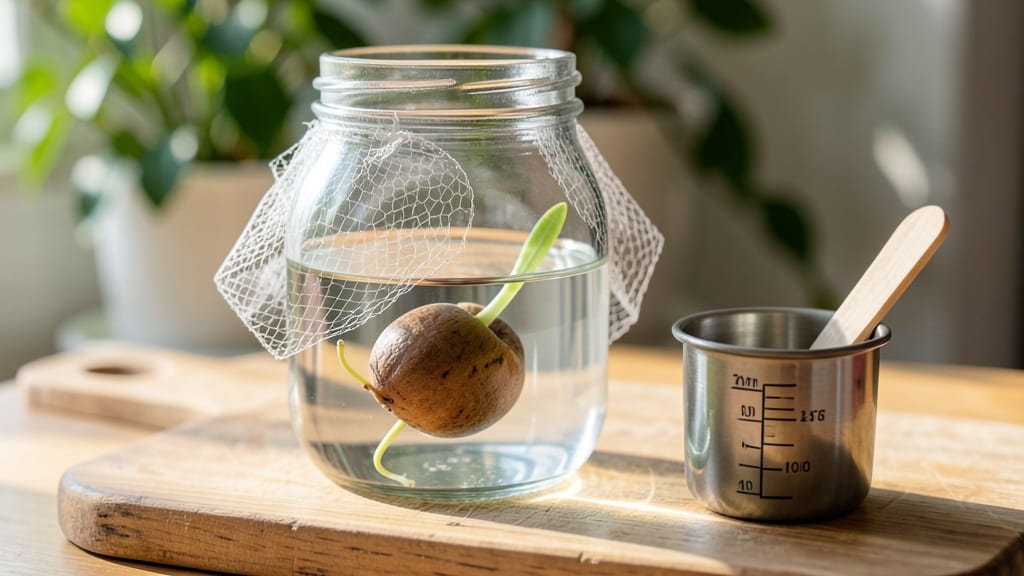
Growing a mango seed in water is the fastest way to see roots—within 2 weeks—but I learned the hard way that patience (and cleanliness) is key. 🌱 The first time I tried this, I rushed the process and ended up with moldy water and stunted roots.
Now, I’ve perfected the method to get strong, healthy sprouts every time.
All you need is a ripe mango, a glass of water, and a little space by a sunny window. The secret isn’t just soaking the seed—it’s keeping the water fresh, avoiding direct sunlight (which overheats the seed), and giving it time to develop roots before transplanting.
Most people skip the water changes, and that’s when things go wrong.
By the time those first roots reach 2-3 inches, you’ll be ready to transfer your seedling to soil. The real magic happens when you see those tiny leaves unfurl—proof that your patience paid off. Just don’t expect fruit anytime soon; this is about the journey, not the harvest.
This method works best in warm climates, but even if you’re in a cooler zone, you can try it indoors. The key is consistency: fresh water, indirect light, and a little bit of luck. Let’s get those roots growing!
📚 In This Guide
- What you need
- Instructions
- Tips and common mistakes
- Wrapping up and next steps
What you need
- ● Fresh mango seed – Use a large, plump seed from a ripe mango (avoid small or shriveled ones).
- ● Clean glass or jar – A clear glass (8–12 oz) with a wide mouth works best for visibility.
- ● Fresh, filtered water – Use room-temperature water to avoid shocking the seed.
- ● Small plate or saucer – To stabilize the glass and prevent spills.
- ● Scissors or knife – For trimming the seed (if needed) to fit the glass.
- ○ Pencil or marker – To label your glass (optional but helpful!).
- ○ Rooting hormone – Speeds up root growth (optional but great for faster results).
- ● Small pebbles or marbles – To weigh down the seed and keep it submerged.
- ● Grow light or sunny windowsill – Once sprouted, your seedling will need light.
- ● Spray bottle – For misting leaves if humidity drops.
- ● Notebook – To track progress (fun for kids or science projects!).
Step-by-Step instructions for growing a mango seed in water
Here's how to coax roots from a mango pit in just two weeks—no soil required.
🌱 Step 1: Prepare the Seed for Planting
Start with a fresh, firm mango pit—avoid any that feel soft or hollow inside. Rinse it under cool water to remove all fruit residue, then let it dry completely for 30 minutes. The outer shell is tough, so I gently tap it against the countertop to crack it open without damaging the seed.
Use a butter knife to carefully slice the pit lengthwise, then pry the two halves apart. Inside, you'll find the seed nestled in a white, gelatinous coating—this is perfectly normal and harmless. Remove the seed and rinse it under running water to clean away any remaining pulp. You'll notice it's slightly curved; this shape helps it grow upright naturally.
💧 Step 2: Set Up the Water Culture
Fill a clean glass or jar with 2-3 inches of room-temperature water. I use a clear container so I can monitor root growth without disturbing the seed. Place the seed horizontally across the top of the jar, with the curved side facing downward. The seed should float just above the waterline—if it sinks, gently nudge it back up.
Change the water every 2-3 days to prevent bacterial growth. You'll see tiny white roots emerge from the bottom within 3-5 days. Here's the thing—don't cover the jar or seal it. Roots need oxygen to grow, and a closed environment will smother them before they start.
☀️ Step 3: Provide Warmth and Light
Position your jar in a spot with bright, indirect light—a south-facing windowsill works well. Avoid direct sunlight, which can overheat the water and cook the seed. I keep mine in my kitchen where the temperature stays between 70-80°F; cooler spots will slow root growth significantly.
Watch for the first roots to appear as tiny white strands. Within 7-10 days, you should see roots 1-2 inches long. At this stage, the seed may start to sprout—you'll notice a small crack forming at the top. This is your cue that the seed is ready for the next step.
🌿 Step 4: Transition to Soil
Once roots reach 2-3 inches, it's time to plant. Fill a small pot with well-draining potting mix and make a hole deep enough to bury half the seed. Gently place the seed in the hole, roots-first, then cover the top half with soil. Water lightly until the soil feels evenly moist but not soggy.
Keep the pot in the same warm, bright spot for 1-2 weeks while the seedling establishes. You'll see the first true leaves emerge within 2-3 weeks after planting. This is the moment that matters: patience here ensures a strong, healthy plant that won't flop over later.
⏰ Step 5: Maintain Growth Conditions
Water your mango seedling when the top inch of soil feels dry—about once a week in warm weather. Mango trees hate soggy roots, so always use a pot with drainage holes. After 3-4 months, you can transplant to a larger container or garden bed, but wait until nighttime temperatures stay above 55°F.
Real talk: your mango tree won't produce fruit for 3-5 years, but the journey is worth it. Keep it in full sun, fertilize lightly every 2 months during growing season, and you'll have a tropical beauty thriving indoors or out.
Tips & tricks for growing mango seeds in water
Here's what nobody tells you about speeding up those root sprouts—without sacrificing quality.
Seed Selection Matters: That 30-minute drying time in Step 1 is crucial—don't skip it! A damp pit can develop mold, and soft pits often contain underdeveloped seeds. I tap mine gently against the counter until I hear a clean crack, then inspect the seed inside for firmness. If it feels mushy, start fresh with another pit.
Water Quality Tip: Use filtered or rainwater instead of tap water when possible. The chlorine in tap water can stress the emerging roots, especially during those critical first 3-5 days. If you must use tap water, let it sit uncovered for 24 hours before using it in your jar.
Light Positioning: The bright, indirect light in Step 3 is non-negotiable—direct sun creates a greenhouse effect that can cook the seed. I rotate my jar ¼ turn daily to ensure even light exposure. You'll know you've got the right setup when you see roots growing toward the light source rather than curling away from it.
Transition Timing: Wait until roots reach exactly 2-3 inches before planting—any shorter and they'll struggle to support the seedling's weight. I check daily by gently lifting the seed from the water and measuring against a ruler. This precise timing prevents the delicate root system from breaking during the soil transition.
Pro Tips for Grow A Mango Seed In Water
- Here's what nobody tells you about speeding up those root sprouts—without sacrificing quality.
- Seed Selection Matters: That 30-minute drying time in Step 1 is crucial—don't skip it! A damp pit can develop mold, a...
- Water Quality Tip: Use filtered or rainwater instead of tap water when possible. The chlorine in tap water can stress...
Frequently asked questions
Got questions?
Growing a mango seed in water is simple, but every gardener has a few concerns. Here are the answers to the most common ones to keep your seedling thriving!
How long does it take for a mango seed to sprout in water?
Most mango seeds will sprout roots within 1–2 weeks if kept in warm water (around 70–80°F). Some may take up to 3 weeks, especially if the seed is old or stored improperly. Patience is key—just keep the water fresh and warm!
Do I need to change the water daily?
No, but refresh it every 2–3 days to prevent bacteria or mold. Stale water can suffocate the seed or cause rot. Use room-temperature water to avoid shocking the seed. A small jar with a lid (to trap humidity) works great!
What if my mango seed only grows roots but no leaves?
Don’t worry—this is normal! Roots may appear first, but leaves (sprouts) usually follow in 2–4 weeks. If no growth happens after a month, try soaking the seed in warm water for 24 hours to encourage germination. If it’s still dormant, it might not be viable.
Can I grow a mango seed in water indoors year-round?
Yes! Mango seeds thrive indoors as long as they get bright, indirect light (a sunny windowsill is ideal). Once roots and leaves appear, transplant to soil. Just avoid drafts or extreme temps—mangoes love warmth (60–90°F) and humidity.
What do I do if the seed starts to smell or turn black?
This means rot or mold—act fast! Remove the seed, rinse it in clean water, and let it dry for a few hours. If the damage is minor, replant it in fresh water. If it’s mushy or foul-smelling, it’s likely dead. Always use clean water and containers to prevent this!
How big should the roots be before transplanting to soil?
Aim for roots that are 1–2 inches long and a small sprout (1–3 inches tall). Once you see healthy root growth and green leaves, it’s ready! Gently transfer it to a pot with well-draining soil, keeping the roots moist but not soggy.
Wrapping up and next steps
Growing a mango seed in water is a rewarding journey that blends patience with simple science! 🌱 With just a few supplies and consistent care, you’ll watch roots sprout in as little as two weeks—proof that nature’s magic is always within reach.
Once your seedling is ready, the real adventure begins: transplanting it into soil and nurturing it into a thriving plant.
Don’t stop here—take the next step! Research the best soil mix for mango trees or explore creative ways to repurpose your seedling into a bonsai or gift for a fellow plant lover. Every tiny root is a promise of something bigger—so get growing! 🌿✨