
Planting
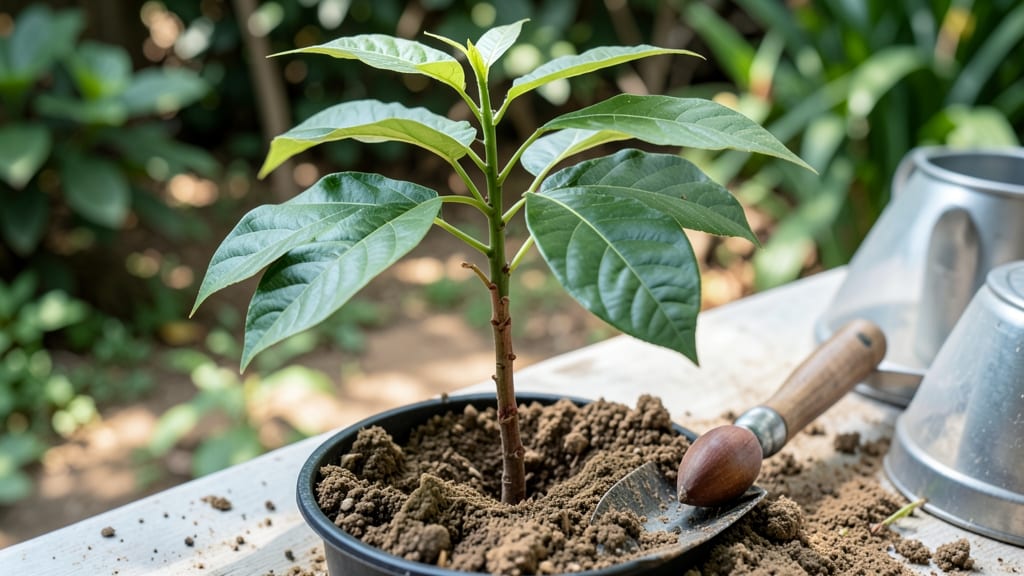
Planting a mango seed in soil feels like nurturing a tiny piece of tropical magic. 🌱 The journey from seed to sapling takes patience—some sprout in weeks, others wait months—but the reward is watching a real mango tree grow from something that started as a pit in your fruit bowl.
You’ll need a well-draining mix (half potting soil, half perlite or sand), a small pot with drainage holes, and a warm spot with bright, indirect light. The secret? Planting the seed just half an inch deep, with the flat side down, so it stays stable while roots develop.
Overwatering is the biggest mistake—keep the soil lightly moist, never soggy.
Germination can take anywhere from 2-6 weeks, but don’t give up if nothing happens in the first month. Once a sprout appears, move it to a sunny windowsill or grow light for 6+ hours daily.
The first true leaves signal it’s ready for a bigger pot and real outdoor sunlight (if you’re in a warm climate).
This method works for indoor starters or outdoor plantings—just wait until nighttime temps stay above 50°F before transplanting. Even if your seedling never bears fruit, the lush foliage makes it a stunning houseplant. Let’s get those roots growing!
📚 In This Guide
- What you need
- Instructions
- Tips and common mistakes
- Wrapping up and next steps
What you need
- ● Mango seed: A fresh, plump seed from a ripe mango (avoid cracked or dried seeds).
- ● Small pots or containers: 2–3 (4–6 inches deep) with drainage holes. Use biodegradable pots if transplanting later.
- ● Well-draining potting mix: A blend of cactus/succulent mix (60%) + perlite or coarse sand (40%) to prevent root rot.
- ● Watering can or spray bottle: For gentle hydration (avoid soaking the soil).
- ○ Plastic wrap or clear dome: To create a mini greenhouse effect (optional but helpful for humidity).
- ● Scissors or knife: For trimming the seed’s fibrous outer layer (if needed).
- ● Sunlight access: A warm, bright spot (e.g., south-facing window or grow light).
- ● Rooting hormone: Speeds up germination (dip the seed in it before planting).
- ● Humidity tray: A shallow tray with pebbles + water to boost moisture around the seed.
- ● Heat mat: Keeps soil warm (70–85°F) if your home is chilly.
- ● Fertilizer (diluted): A balanced 20-20-20 or seaweed-based fertilizer for seedlings (after 3–4 months).
Step-by-Step instructions for planting mango seed in soil
Here’s the foolproof method I’ve used to coax mango seeds into seedlings—no fancy tools required.
🌱 Step 1: Prepare the Seed for Faster Germination
Start by soaking your mango pit in warm water for 3-5 days, changing the water daily. This softens the hard outer shell and speeds up germination. I like to use a jar with a loose lid so the pit stays submerged but isn’t waterlogged.
After soaking, gently scrape away the remaining flesh with a knife—just enough to expose the seed inside. Don’t damage the seed itself. Place the cleaned pit in a small plastic bag with a damp paper towel. Keep it in a warm spot (around 75-85°F) until you see a tiny sprout emerging from one end, which usually takes 2-4 weeks.
🪴 Step 2: Choose the Right Container and Soil
Use a small pot (at least 6 inches deep) with drainage holes—mango seeds rot if they sit in soggy soil. Fill it with a mix of 50% potting soil and 50% perlite or sand to improve drainage. I like to sterilize the soil first by baking it in the oven at 200°F for 30 minutes to kill any fungus or bacteria.
Plant the sprouted seed about 1 inch deep, with the sprout facing upward. Press the soil gently around it but don’t pack it down too tightly. Water lightly until the soil feels evenly moist—like a wrung-out sponge.
☀️ Step 3: Provide Warmth and Humidity for Growth
Cover the pot with clear plastic wrap or a humidity dome to trap warmth and moisture. Place it in a spot with bright, indirect light—no direct sun yet. Mango seedlings thrive in warmth, so keep the soil temperature around 75-85°F using a seedling heat mat if needed.
Check the soil daily and mist it with water if the top inch feels dry. Remove the plastic cover once the first true leaves appear (not the initial seed leaves). This usually takes 4-8 weeks, but be patient—some seeds take longer.
🌿 Step 4: Transplant and Care for the Seedling
Once the seedling reaches 6-8 inches tall and has 4-5 true leaves, it’s ready to move to a larger pot (at least 12 inches deep). Use the same well-draining soil mix and water thoroughly after transplanting. Place it in a sunny spot with 6+ hours of direct sunlight daily.
Water when the top 2 inches of soil feel dry, but avoid overwatering—mango seedlings are sensitive to root rot. Fertilize lightly with a balanced 10-10-10 fertilizer every 4-6 weeks once the plant is established.
⏰ Step 5: Prepare for Outdoor Planting (If Possible)
Mango trees are tropical and need warm climates to thrive. If you live in a frost-free zone, you can plant the seedling outdoors after it’s 12-18 inches tall. Choose a spot with full sun and well-draining soil. Dig a hole twice as wide as the root ball and plant at the same depth as it was in the pot.
If you’re in a cooler climate, keep the seedling in a pot and bring it indoors during winter. Mango trees are slow-growing, so don’t expect fruit for 5-10 years—but the journey is half the fun!
Tips & tricks for planting mango seeds successfully
These little-known tricks will help you avoid common pitfalls and maximize your mango seed's chances of thriving.
The Soaking Secret: During the 3-5 day soaking period in Step 1, I've found that adding a pinch of cinnamon to the warm water actually helps prevent mold while speeding up germination. The natural antimicrobial properties work wonders—just don't use too much or it can inhibit growth. The key is keeping the pit completely submerged without letting it sit in stagnant water.
Seed Orientation Matters: When planting your sprouted seed in Step 2, pay close attention to the seed's natural shape. The wider end should face downward while the pointed end (where the sprout emerges) faces upward. I've seen seeds planted upside down take twice as long to sprout—or not sprout at all. Think of it like planting a potato—always pointy-side up!
Lighting Strategy: In Step 3, that "bright indirect light" is crucial. I place my seedling pots near an east-facing window where they get gentle morning sun but avoid harsh afternoon rays. If you don't have good natural light, a simple grow light on a timer (12-14 hours daily) works perfectly. The goal is to mimic tropical conditions without scorching delicate new leaves.
Transplanting Timing: The moment you move your seedling to a larger pot in Step 4 is delicate. I wait until I see the first true leaves (not the initial seed leaves) and the plant has developed a small root system. The best time is right after watering when the soil is moist but not soggy. Gently squeeze the pot to encourage the root ball to slide out intact—this minimizes transplant shock.
Pro Tips for Plant Mango Seed In Soil
- These little-known tricks will help you avoid common pitfalls and maximize your mango seed's chances of thriving.
- The Soaking Secret: During the 3-5 day soaking period in Step 1, I've found that adding a pinch of cinnamon to the warm water actually helps prevent mold while speeding up germination.
- Seed Orientation Matters: When planting your sprouted seed in Step 2, pay close attention to the seed's natural shape.
Frequently asked questions
Got questions about growing mango trees from seed? You're not alone! Here are answers to the most common concerns—so you can plant with confidence and avoid pitfalls.
How long does it take for a mango seed to germinate?
A mango seed typically takes 2–4 weeks to sprout, depending on warmth and moisture. Keep the soil consistently damp (not soggy) and in a warm spot (70–85°F). Patience is key—some seeds take up to 8 weeks! If nothing happens after a month, check for rot or replant.
Can I plant a mango seed directly in cold or dry climates?
Mango seeds hate cold and need warmth to germinate. If your climate dips below 50°F, start seeds indoors near a sunny window or use a heat mat. For dry areas, mist the soil daily or cover with plastic wrap to retain humidity. Pro tip: Wait until spring to plant outdoors.
Will a mango tree grown from seed produce fruit?
Yes, but it may take 5–10 years (or longer!) and the fruit won’t match the parent tree’s quality. Seedlings are unpredictable—fruit size, taste, and even tree shape can vary. For reliable fruit, consider grafting later or buy a nursery-grown sapling.
Why is my mango seed rotting in the soil?
Overwatering or poor drainage is usually the culprit. Let the soil dry slightly between waterings, and ensure the pot has drainage holes. If the seed feels mushy or smells bad, it’s rotting. Fix it: Remove the seed, let it dry for a day, and replant in fresh, well-draining soil.
How big should my mango seedling be before transplanting outdoors?
Aim for a seedling with 2–4 true leaves and a sturdy stem (about 4–6 inches tall). Harden it off by placing it outside for a few hours daily over 1–2 weeks before moving it permanently. Choose a spot with full sun (6+ hours/day) and rich, slightly acidic soil (pH 5.0–6.5).
Bonus Tip: Speed Up Germination!
Soak the seed in warm water for 24 hours before planting to soften the shell. Some gardeners also scratch the seed lightly with sandpaper to help water penetrate. Just don’t overdo it—keep the seed intact!
Wrapping up and next steps
Growing a mango tree from seed is a rewarding journey that connects you to nature’s sweetest surprises! 🌱 With patience, the right soil, and a little care, you can nurture a seedling into a thriving plant—even if it takes years to bear fruit. Start small, stay consistent, and celebrate every tiny root or leaf! Ready to take the next step? Try transplanting your seedling into a larger pot or garden bed once it’s strong enough—your future tropical canopy awaits!