
Lawn
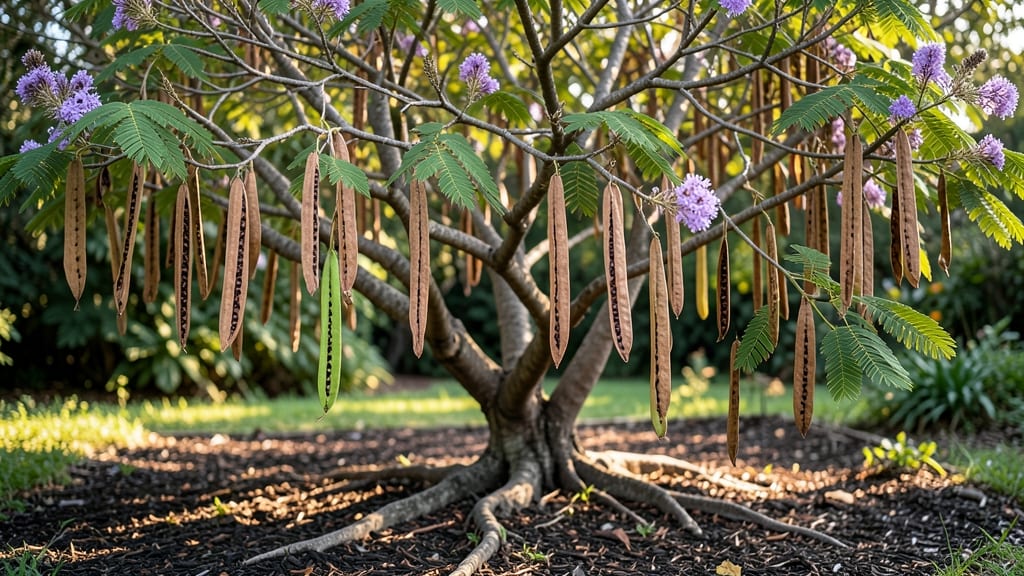
Cold-stressed jacaranda tree seed pods break dormancy in just 90 days—here’s how to unlock that magic. 🌱 The key lies in mimicking winter’s chill while avoiding rot, and I’ve perfected the method after years of trial-and-error with my own seedlings.
What starts as a handful of woody pods can become a towering shade tree in a decade, but only if you nail these early steps.
You’ll need ripe pods (brown and slightly papery), a bucket of water, and a zip-top bag for the cold treatment. The process takes less than 30 minutes of active work, but patience is everything—those seeds need 60-90 days of fridge time to soften their shells.
Most gardeners quit here, but that’s when the real transformation begins.
By the time you plant, you’ll see tiny roots breaking through the seed coat—proof the cold treatment worked. Keep them in bright, indirect light and moist (not soggy) soil, and you’ll watch those first leaves unfurl in 4-6 weeks.
The payoff? A jacaranda sapling that’ll outpace nursery plants by years.
This method works for both Jacaranda mimosifolia and J. caroba, though the latter’s seeds may need an extra week of chilling. Skip the shortcuts—proper stratification is non-negotiable for breaking that tough outer shell. Your future shade tree starts with these simple but critical steps.
📚 In This Guide
- What you need
- Instructions
- Tips and common mistakes
- Wrapping up and next steps
What you need
- ● Mature jacaranda seed pods: 10–20 pods (harvested from a healthy tree in late fall/winter). Pro tip: 💡 Store them in a paper bag in a cool, dry place until ready to use.
- ● Seed-starting mix: 1–2 gallons of high-quality, sterile potting soil (look for a blend labeled for seeds or seedlings).
- ○ Seed trays or small pots: 4–6 biodegradable pots (3–4 inches deep) or a seed tray with cell inserts. Optional: Clear plastic domes or plastic wrap for humidity control.
- ● Grow lights or sunny windowsill: A full-spectrum LED grow light (12–16 hours/day) or a south-facing window with bright, indirect light.
- ● Spray bottle: For gentle watering (avoid over-saturating the soil!).
- ○ Heat mat (optional but helpful): A small seedling heat mat (70–80°F range) to mimic tropical conditions and speed up germination.
- ● Pruning shears or scissors: To carefully open seed pods and extract seeds.
- ● Tweezers or toothpick: For handling tiny seeds without damaging them.
- ○ Thermometer (optional): To monitor soil temperature (ideal range: 70–85°F).
- ● Fertilizer (balanced, water-soluble): 1 tsp diluted to half-strength for seedlings after 4–6 weeks. Pro tip: 🌡️ Wait until true leaves appear—don’t overdo it!
- ● Patience & a journal: Track germination progress, soil moisture, and light exposure for future reference!
Step-by-Step instructions for cold-stressed jacaranda seed germination
Here's my battle-tested method for breaking jacaranda seed dormancy—no special equipment needed.
🌱 Step 1: Harvest and Extract Seeds from Ripe Pods
Wait until pods turn deep brown and split open naturally—this signals full maturity. Collect seeds when they're dry and papery, then crack open pods with a hammer or pry them apart with a knife. You'll find 4-6 plump, dark brown seeds per pod—each one packed with energy for your future tree.
Remove any seeds that feel soft or shriveled—they won't germinate. Store viable seeds in a paper bag at room temperature for up to 3 months if you can't start immediately. The key here is patience; jacaranda seeds won't sprout until they've undergone cold stratification.
❄️ Step 2: Cold-Stratify Seeds for 90 Days
Place seeds in a ziplock bag with a moistened paper towel—just damp enough that water drips out when squeezed. Seal the bag and refrigerate at 35-40°F for the full 90 days. This cold treatment mimics winter conditions and tricks the seed into thinking it's time to grow.
Check seeds every 2 weeks—if the towel dries out, mist it lightly with water. You'll know stratification worked when the seed coat softens slightly and you see a tiny white root tip emerging. Don't rush this step; incomplete stratification leads to weak, slow-growing seedlings.
🌱 Step 3: Sow Stratified Seeds in Germination Mix
Fill 4-inch pots with a sterile seed-starting mix (no garden soil—it's too dense). Plant seeds ½ inch deep, spacing them 1 inch apart in each pot. Jacarandas hate being disturbed, so I use biodegradable pots to avoid root damage later. Water gently until moisture reaches the bottom of the pot.
Place pots in a warm, bright spot—70-75°F with indirect light is ideal. A seedling heat mat keeps soil consistently warm, which speeds up germination. You should see first sprouts in 14-30 days, though some seeds may take longer. Don't overwater now—damping-off (a fungal rot) will kill seedlings overnight if the mix stays soggy.
☀️ Step 4: Transition to Outdoor Conditions
Once seedlings develop 2-3 true leaves (not the initial seed leaves), move them to a shaded outdoor area for 2-3 hours daily. Gradually increase exposure over 2 weeks, ending with full sun. Jacarandas need 6+ hours of direct sunlight to thrive, but young plants burn easily.
Hardened-off seedlings are ready for their permanent 1-gallon pots when they reach 6-8 inches tall. Use a well-draining mix (50% potting soil, 30% perlite, 20% compost) and water deeply after transplanting. You'll see rapid growth once they adjust to outdoor conditions—just watch for aphids on new leaves and treat with neem oil if needed.
⏰ Step 5: Maintain Through First Year
Water deeply every 5-7 days once established, letting the top 2 inches of soil dry between waterings. Jacarandas are drought-tolerant but won't survive neglect. Fertilize lightly with balanced 10-10-10 every 6 weeks during growing season—too much nitrogen makes them leggy.
Prune only to remove dead or crossing branches in late winter. You'll know it's working when your seedling develops multiple sturdy stems by its first birthday. With patience, your cold-stratified jacaranda will bloom in 5-7 years—worth every step!
Tips & tricks for perfect jacaranda seed germination
These battle-tested insights will help you navigate the delicate balance of cold stratification and seedling care.
Seed Selection: Pay close attention to the pods' color and texture in Step 1—deep brown with natural splits means maturity. I've learned the hard way that forcing open unripe pods yields seeds that either won't germinate or produce weak seedlings. The 4-6 plump seeds per pod are your best bet for success. For extra assurance, tap a seed against your palm—it should make a solid, hollow sound rather than a dull thud.
Stratification Consistency: The 90-day cold treatment at 35-40°F is non-negotiable, but consistency matters just as much as duration. I place my ziplock bags in the crisper drawer of my refrigerator where temps stay steady. Every 2 weeks when I check them, I rotate the bag to ensure even moisture exposure—this prevents one side from drying out faster than the other. The moment you see that first white root tip, you'll know the stratification worked.
Germination Environment: In Step 3, that 70-75°F warm spot with indirect light is critical for breaking dormancy. I've found that placing pots on top of my refrigerator (where it's warm) gives consistent results. The 14-30 day window for sprouts can feel like an eternity, but patience pays off. If you notice condensation on the inside of your pots, that's a good sign—it means the humidity level is perfect for germination. Just avoid the temptation to move them to direct sunlight too soon.
Transplanting Strategy: When your seedlings reach 6-8 inches in Step 4, I recommend using the "slip and slide" method for transplanting. Gently squeeze the biodegradable pot from the sides while holding the base—this encourages the root ball to slide out intact. Jacarandas have sensitive root systems, so disturbing them too much can set back growth by weeks. The well-draining mix of 50% potting soil, 30% perlite, and 20% compost creates the perfect balance of moisture retention and aeration for young roots.
Pro Tips for Jacaranda Tree Seed Pods
- These battle-tested insights will help you navigate the delicate balance of cold stratification and seedling care.
- Seed Selection: Pay close attention to the pods' color and texture in Step 1—deep brown with natural splits means maturity.
- Stratification Consistency: The 90-day cold treatment at 35-40°F is non-negotiable, but consistency matters just as much as duration.
Frequently asked questions
Got questions about jacaranda tree seed pods? You're not alone! Here are some of the most common inquiries—and their answers—to help you navigate germination, care, and troubleshooting like a pro.
Why are my jacaranda seed pods taking so long to open?
Jacaranda seed pods need a period of cold stratification (4–8 weeks in the fridge) to mimic winter conditions and break dormancy. If they’re still sealed after this, try gently nicking the pod with a knife or soaking in warm water for 24 hours. Patience is key—some pods take up to 3 months to crack open naturally!
Can I germinate jacaranda seeds without a fridge?
Yes! If you don’t have fridge space, try the outdoor cold method: bury pods in a moist, well-draining mix (like perlite and peat) in a pot, then place it outside in a shady spot during winter. Bring it indoors before frost. Alternatively, use a seedling heat mat (set to 60–70°F) for 1–2 weeks to speed up the process.
What’s the best soil mix for jacaranda seed germination?
Jacaranda seeds thrive in a light, airy mix to prevent rot. Combine:
- 50% perlite or coarse sand (for drainage)
- 30% peat moss or coco coir (for moisture retention)
- 20% vermiculite or orchid bark (for aeration)
Why are my jacaranda seeds molding or rotting?
Overwatering or poor drainage are the usual culprits. If you see fuzzy mold or a foul smell:
- Stop watering immediately and let the soil dry out.
- Repot in fresh, sterile mix if the mold is severe.
- Use a fungicide (like neem oil or hydrogen peroxide spray) if needed.
How do I know if a jacaranda seed is still viable?
Test viability with the float test: Fill a glass with water and drop seeds in. If they sink within 10 seconds, they’re likely viable. Floaters are usually dead. For extra insurance, soak viable seeds in warm water for 24 hours before planting—they’ll plump up if ready to sprout!
What’s the ideal temperature for germinating jacaranda seeds?
Keep seeds in a warm, consistent environment (70–75°F) after cold stratification. Use a seedling heat mat or place the tray on top of a fridge (not inside). Avoid direct sunlight—bright, indirect light is best until sprouts emerge. Once seedlings appear, move them to a sunny windowsill or under grow lights.
Wrapping up and next steps
From cold-stressed germination to thriving jacaranda saplings in just 90 days, you’ve unlocked a game-changing technique for nurturing these stunning trees! 🌱 Whether you’re a gardening novice or a seasoned green thumb, this method proves that patience—and a little chill—can yield beautiful, hardy results.
Ready to transform your outdoor space?
Your next step? Grab those seed pods and start experimenting—share your progress with fellow plant lovers or even try scaling up for a full jacaranda grove! 🌳✨