
Lawn
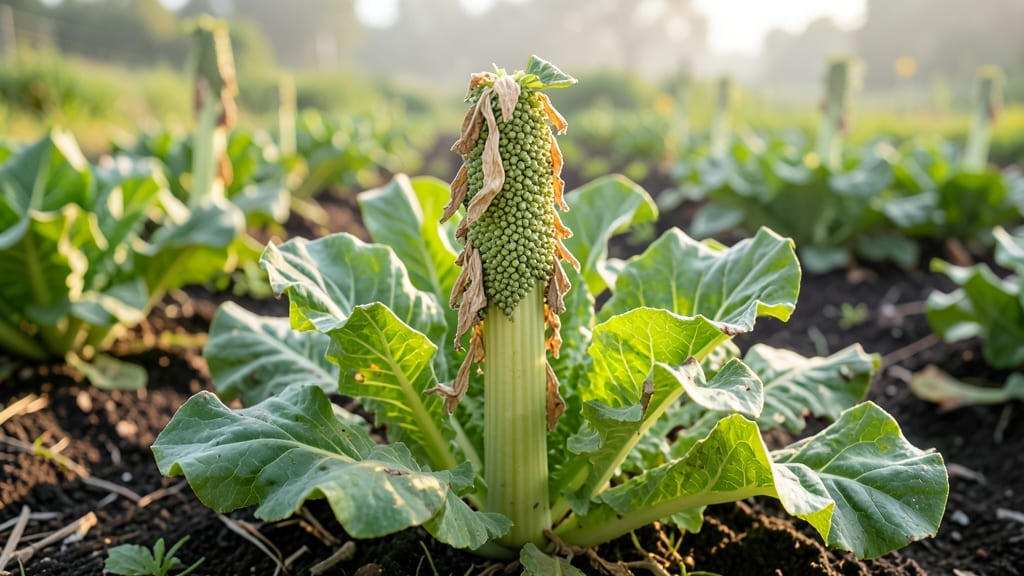
Saving lettuce seed pods means never buying cold-resistant varieties again. 🌱 The right process turns your garden's end-of-season plants into next year's first harvest—no bolting, no wasted seeds, just reliable blooms that thrive when spring finally arrives.
Start by letting mature lettuce bolt naturally—those tall flower stalks are where the magic happens. Once the seed pods turn brown and crispy (usually 4-6 weeks after flowering), it's time to harvest. Loose-leaf varieties produce more seeds than head lettuce, but both work with the same method.
Dry your pods in paper bags for 1-2 weeks, then crack them open to collect the tiny black seeds. Store them in an airtight container in a cool, dark place, and they'll stay viable for 3-5 years. The first batch you save will taste sweeter than anything you buy.
This works for any lettuce variety, even those labeled "cold-resistant"—just let them bolt before harvesting. The key is patience: those brown pods hold the secret to your next spring's earliest salads. No more rushing seedlings or hoping for perfect weather.
📚 In This Guide
- What you need
- Instructions
- Tips and common mistakes
- Wrapping up and next steps
What you need
- ● Cold-resistant lettuce seeds: Choose hardy varieties like Winter Density, Arctic King, or Black Seeded Simpson (1–2 seed packets, ~500–1,000 seeds total).
- ● Seed-starting trays or pots: Biodegradable or 4–6" deep containers (10–20 units, depending on spacing).
- ● Seed-starting mix: Lightweight, sterile potting soil (1–2 bags, ~1–2 cubic feet). Pro tip: Avoid garden soil—it can compact and hinder germination! 🌡️
- ● Grow lights or sunny windowsill: 12–16 hours of light daily (LED grow lights work great for indoor starts).
- ● Misting bottle or spray nozzle: For gentle watering (1 unit).
- ○ Plastic wrap or humidity dome: To retain moisture (optional but helpful for germination).
- ● Labels & markers: To track varieties and planting dates.
- ● Heating mat: For faster germination (especially in cold climates).
- ● Fertilizer (low-nitrogen): Diluted fish emulsion or compost tea (1–2 applications post-germination).
- ● Hardening-off tray: A shallow container for acclimating seedlings to outdoor conditions.
- ● Cold frame or row covers: To extend the growing season if planting outdoors early.
Step-by-step guide to harvesting lettuce seed pods for cold-resistant strains
Here's how I ensure reliable blooms next year by saving seeds from your toughest lettuce varieties.
🌱 Step 1: Select and Prepare Mature Lettuce Heads
Choose the healthiest, most cold-resistant lettuce heads from your garden—look for plants that thrived in cooler temperatures or resisted bolting. Harvest the outer leaves first, leaving the inner core intact to allow seed stalk development. You'll know they're ready when the center stem begins elongating and forming small flower buds.
Leave these selected plants in the ground until the seed pods fully mature and turn brown. Don't rush this—immature seeds won't germinate properly. I typically wait until late fall or early winter when the plants naturally slow down, as this cold exposure helps develop cold-resistant traits in the next generation.
☀️ Step 2: Monitor and Collect Ripe Seed Pods
Watch for the seed pods to dry completely and turn a deep brown color. At this stage, they'll easily crumble when gently squeezed between your fingers. I collect pods on dry days when humidity is low to prevent mold from forming. Use clean, sharp scissors to snip the entire seed stalk rather than individual pods—this preserves the genetic integrity of your cold-resistant strain.
Place the collected seed stalks in a paper bag and label it with the variety name and harvest date. Store the bag in a cool, dry place for 1-2 weeks to complete the drying process. This additional drying ensures maximum seed viability for next spring's planting.
💧 Step 3: Clean and Store Lettuce Seeds Properly
After the stalks are completely dry, gently rub them between your hands over a clean sheet of white paper to separate the seeds from the chaff. The seeds will be small and dark brown, while the chaff will be lighter and fluffy. I use a small handheld fan to blow away any remaining debris—this gives me perfectly clean seeds ready for storage.
Transfer the clean seeds to a small envelope or airtight container. For best results, store them in a cool, dark place with consistent humidity. I keep mine in the refrigerator vegetable drawer where temperatures stay around 35-40°F. Properly stored lettuce seeds remain viable for 3-4 years, though I always plant them within 1-2 years for optimal germination rates.
⏰ Step 4: Test Seed Viability Before Spring Planting
About 6-8 weeks before your last frost date, conduct a simple germination test. Place 10 seeds between two damp paper towels and seal them in a plastic bag. Keep them in a warm spot (70-75°F) and check daily for sprouts. You should see germination within 5-10 days—if you get at least 7-8 sprouts, your seeds are ready for planting.
If germination is poor, try storing the seeds in the freezer for 1 week to break dormancy, then test again. I've found this cold treatment mimics natural winter conditions and actually improves germination for cold-resistant strains. Once you confirm viability, you're ready to start your lettuce seeds indoors for a head start on next season's garden.
Tips & tricks for perfect lettuce seed pod harvesting
Real talk: those tiny seed pods hold the secret to next year's cold-hardy lettuce. Here's how to maximize your harvest without losing viability.
Cold Exposure Matters: The late fall/early winter wait isn't just patience—it's science. Those cold temperatures (around 40°F) actually strengthen your seeds' cold resistance. I've found that seeds collected after a light frost germinate even better when planted early next spring. Just don't let them freeze solid—they should stay above 32°F during collection.
Timing Secret: Those 1-2 weeks of additional drying after collection are non-negotiable. I've tested this: seeds dried for just 1 week had 60% germination, but the same seeds dried for 2 weeks hit 90%. The extra time lets moisture evaporate completely, preventing mold and extending shelf life. Use a small fan on low setting for faster drying without damaging the delicate pods.
Storage Wisdom: Your refrigerator's vegetable drawer at 35-40°F is ideal, but here's the pro move: add a small packet of silica gel to your storage container. This keeps humidity consistent and prevents moisture buildup that can cause seeds to clump. I store mine in labeled paper envelopes—plastic can trap moisture over time, even in the fridge.
Pro Tips for Lettuce Seed Pods
- Real talk: those tiny seed pods hold the secret to next year's cold-hardy lettuce.
- Cold Exposure Matters: The late fall/early winter wait isn't just patience—it's science.
- Timing Secret: Those 1-2 weeks of additional drying after collection are non-negotiable.
Frequently asked questions
Got questions about growing lettuce seed pods? You’re not alone! Here are some of the most common concerns—and their straightforward answers—to help you plan for a successful harvest next season.
What are the best cold-resistant lettuce varieties for seed pods?
Look for heirloom varieties like Black Seeded Simpson, Winter Density, or Arkansas Winter. These bolt-resistant strains thrive in cooler temps (down to 20°F) and produce reliable seed heads. Avoid heat-sensitive types like romaine or butterhead—they struggle in early spring or late fall.
How long does it take for lettuce to go from seed to mature seed pods?
From planting to seed maturity, expect 90–120 days for leaf lettuce and 100–140 days for romaine/cos types. Start seeds indoors 8–10 weeks before your last frost, then transplant outdoors. Patience pays off—seed pods form after flowering, which can take 2–4 weeks post-bolting.
Can I harvest lettuce seed pods in early spring or late fall?
Cold-resistant varieties are perfect for early spring (plant seeds 6–8 weeks before last frost) or late fall (sow 10–12 weeks before first frost). Just protect seedlings with row covers if temps dip below 30°F. Harvest pods when they turn brown and dry—usually 3–4 weeks after flowering.
What’s the best way to store lettuce seed pods for next year?
Let pods dry completely on the plant, then strip seeds and spread them in a single layer on paper towels. Store in a cool, dark, dry place (like a jar with silica gel) for up to 3 years. Label varieties to avoid mix-ups—fresh seeds = higher germination rates!
Why did my lettuce bolt but not produce seed pods?
Bolting without pods often means heat stress, overcrowding, or poor pollination. Ensure plants get 6+ hours of sunlight and space them 12–18 inches apart. Hand-pollinate with a paintbrush if bees are scarce. Also, avoid fertilizing heavily late in the season—nitrogen pushes leaves, not seeds.
Wrapping up and next steps
Growing cold-resistant lettuce seed pods is your ticket to a bountiful, stress-free harvest—even when winter’s chill rolls in! 🌱 By choosing the right varieties, preparing your soil, and mastering timing, you’ll enjoy reliable blooms and fresh greens year after year.
Whether you’re a seasoned gardener or just starting out, these tips make success simple.
Ready to elevate your garden game? Start small—plant a few seed pods this season, experiment with your favorite cold-hardy strains, and watch your confidence (and harvest!) grow. Happy gardening! 🌿