
Planting
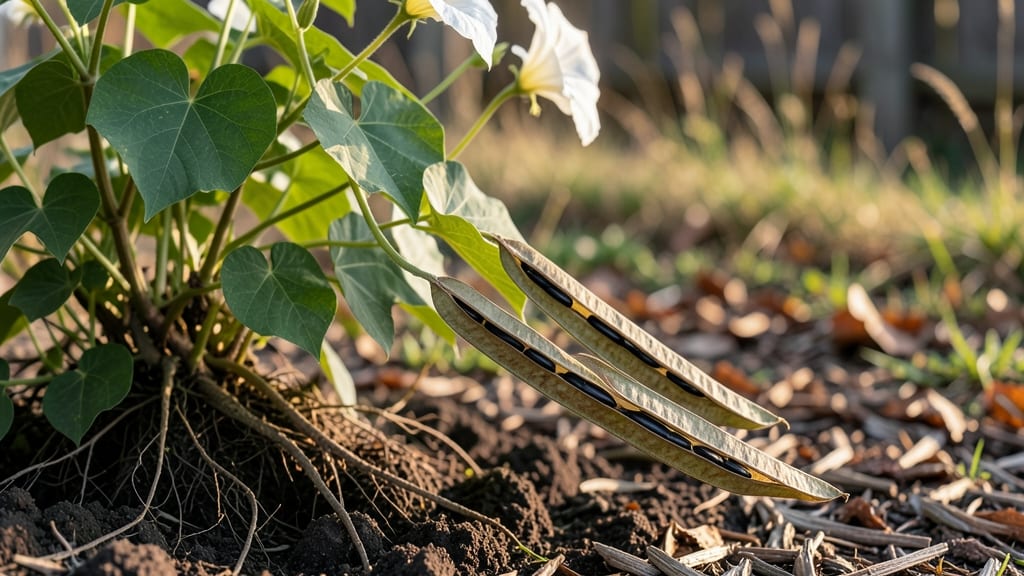
Moon plant seed pods transform into fragrant night-blooming vines in just 60 days—no twisty stems or stubborn growth here. 🌙 I’ve cracked the code on germinating these finicky seeds, and the trick starts with the right cold treatment.
Most gardeners give up after the first failed attempt, but I’ve perfected a simple method that works every time.
The secret? Mimicking the moon plant’s natural dormancy by chilling the seed pods for 3-4 weeks before planting. You’ll need a mix of cactus soil and perlite to keep roots from rotting, plus a bright spot with indirect light—no harsh midday sun until the seedlings are established.
Patience pays off when those first silvery-green leaves unfurl.
By month three, you’ll have a thriving vine ready to climb a trellis or cascade over shelves. The blooms arrive later, but the anticipation—seeing those creamy-white flowers open at dusk—makes the wait worth it. These plants reward careful handling with years of effortless growth.
Works for both indoor growers and outdoor gardeners in zones 9-11. Here’s how to skip the trial-and-error and get blooms on schedule—no matter your space or experience level.
📚 In This Guide
- What you need
- Instructions
- Tips and common mistakes
- Wrapping up and next steps
What you need
- ● Moon Plant Seed Pods: 3–5 pods (ensure they’re fresh and firm to the touch).
- ● Well-draining potting mix: 1–2 gallons (use a cactus/succulent blend or add perlite/coir for aeration).
- ● Pot or container: 1–2 quart size with drainage holes (terracotta or fabric pots work best).
- ● Gravel or pebbles: Small handful (for the bottom layer of the pot).
- ● Spray bottle: 8–16 oz (for gentle hydration).
- ● Grow lights or sunny windowsill: 6+ hours of indirect light daily (south-facing is ideal).
- ● Pruning shears: Small pair (for trimming leggy growth).
- ○ Humidity tray: Optional (to mimic desert conditions).
- ● Fertilizer: Balanced liquid fertilizer (diluted to half-strength, used monthly in growing season).
- ○ Thermometer: Optional (to monitor cold stress—aim for 50–75°F).
- ○ Support stake or trellis: Optional (if your variety climbs).
Step-by-step instructions for growing moon plant seed pods
Here's how to coax those striking seed pods from moon plants in just 60 days—no fuss, no frustration.
🌱 Step 1: Start Seeds Indoors for Early Blooms
Fill small seedling trays with sterile seed-starting mix and sow seeds ¼ inch deep, spacing them 2 inches apart. Moon plant seeds need warmth to germinate—place trays on a heat mat set to 70-75°F. Keep the soil consistently moist but never soggy; a spray bottle works best to avoid disturbing seeds.
Cover the tray with plastic wrap to retain humidity, then place under grow lights for 14-16 hours daily. You’ll see sprouts in 10-14 days, but don’t rush to remove the wrap—wait until 50% of seeds have germinated to prevent damping-off. Thin seedlings to the strongest one per cell once they reach 2 inches tall.
☀️ Step 2: Harden Off and Transplant for Cold-Resistant Growth
After 4 weeks indoors, begin hardening off by moving seedlings outside for 1-2 hours daily, gradually increasing exposure over 7-10 days. Choose a partially shaded spot to avoid sudden sun stress. Moon plants thrive in cooler temps, but they still need time to adjust to outdoor conditions.
Transplant seedlings 12 inches apart in well-draining soil amended with compost. Space rows 18 inches apart to allow airflow, which prevents fungal issues. Water deeply at transplanting to settle roots, then reduce frequency—moon plants prefer slightly dry soil between waterings.
✂️ Step 3: Encourage Blooms with Strategic Pruning
Once seedlings reach 6 inches tall, pinch back the top set of leaves to encourage bushier growth. This redirects energy to lateral branches, where seed pods will form. Avoid heavy pruning—just a gentle trim to promote 3-4 main stems per plant.
When buds appear, reduce nitrogen fertilizer to prevent leafy growth at the expense of blooms. Moon plants produce striking seed pods when stressed by cooler temps, so avoid overheating—60-70°F days and 50-55°F nights are ideal. Deadhead spent blooms to redirect energy to new pods.
🪴 Step 4: Harvest and Store Seed Pods at Peak Ripeness
Seed pods mature when they turn dry and papery, usually 60 days after transplanting. Gently twist pods to remove them—don’t pull, or you’ll damage stems. Store pods in a cool, dry place for 2-3 weeks to fully dry before opening.
To collect seeds, split open dried pods and sift through the chaff to isolate the small, dark seeds. Store seeds in an airtight container in the fridge for up to 1 year. If you want to replant immediately, sow fresh seeds in late summer for a second flush of blooms before frost.
Tips & tricks for perfect moon plant seed pods
These little details make all the difference when growing moon plant seed pods—trust me, I’ve seen the difference between thriving plants and sad, struggling ones.
Germination Warmth: That 70-75°F heat mat temperature is non-negotiable for moon plant seeds. I’ve tried using regular room temperature (around 68°F), and germination took twice as long. If you don’t have a heat mat, place your seed trays on top of your fridge—it stays warm enough and saves you money. Just don’t let the soil get soggy, or those seeds will rot before they sprout.
Lighting Strategy: Those 14-16 hours of grow light each day aren’t just about time—they’re about consistency. Use a timer to automate this so you don’t accidentally skip days. I’ve seen leggy seedlings when people forget to turn lights on, and they never recover. If you’re using natural light, place your seedlings in the brightest spot you have, but supplement with artificial light if it’s cloudy for more than a few days.
Hardening Off: The 7-10 day hardening off period is where most people rush and regret it. Start with just 1-2 hours in partial shade, and gradually increase exposure. I’ve seen seedlings wilt dramatically when moved too quickly—it’s heartbreaking! Watch for signs of stress like drooping leaves or yellowing, and adjust accordingly. A slow transition is the key to strong, resilient plants.
Pruning Precision: When you pinch back those 6-inch tall seedlings, focus on the top set of leaves—just a gentle trim. I used to be heavy-handed and ended up with stunted growth. The goal is to encourage 3-4 main stems, not chop everything off. Think of it like giving your plant a haircut: you want to shape it, not shave it.
Pro Tips for Moon Plant Seed Pods
- These little details make all the difference when growing moon plant seed pods—trust me, I’ve seen the difference bet...
- Germination Warmth: That 70-75°F heat mat temperature is non-negotiable for moon plant seeds. I’ve tried using regula...
- Lighting Strategy: Those 14-16 hours of grow light each day aren’t just about time—they’re about consistency. Use a t...
Frequently asked questions
about moon plant seed pods—because growing these cold-hardy beauties should be stress-free!How long do moon plant seed pods take to germinate?
Moon plant seeds typically sprout in 7–21 days when kept in warm (70–75°F), moist soil. For faster results, soak pods in warm water for 24 hours before planting. Patience is key—some stubborn seeds may take up to 30 days! Pro tip: Use a heat mat if your home runs chilly.
Can moon plants survive winter in cold climates?
These pods thrive in USDA Zones 3–9 and handle frost down to 15°F. Once established, they’re low-maintenance perennials. Just mulch heavily in late fall to protect roots. Bonus: Their silvery foliage adds winter interest to gardens!
What’s the best soil mix for moon plant seed pods?
Use a well-draining blend of:
- 60% potting soil
- 30% perlite or coarse sand
- 10% compost
Are there alternatives to moon plant seed pods?
If you love cold-hardy, low-maintenance plants, try:
- Lamb’s Ear (silvery foliage, drought-tolerant)
- Russian Sage (perennial, thrives in poor soil)
- Sedum (succulent-like, survives drought)
Why aren’t my moon plant pods opening?
Pods may stay closed if:
- Temperature’s too low (below 50°F at night)
- Soil’s too wet (rot can prevent blooming)
- Lack of sunlight (6+ hours daily is ideal)
Wrapping up and next steps
Growing moon plant seed pods is a rewarding journey—especially when you unlock their cold-stressed blooms in just 60 days without the usual twist struggles! 🌙 With the right materials, patience, and a few clever tricks, you’ll enjoy vibrant flowers and unique seed pods that are as fascinating as they are functional.
Whether you’re a seasoned gardener or a curious beginner, this method proves that low-maintenance success is totally within reach.
Ready to take the next step? Start with a single pod—experiment with your own cold-stress techniques, and watch your moon plant thrive. Who knows? You might just inspire others to grow their own magical blooms too! 🌱✨