
Propagation
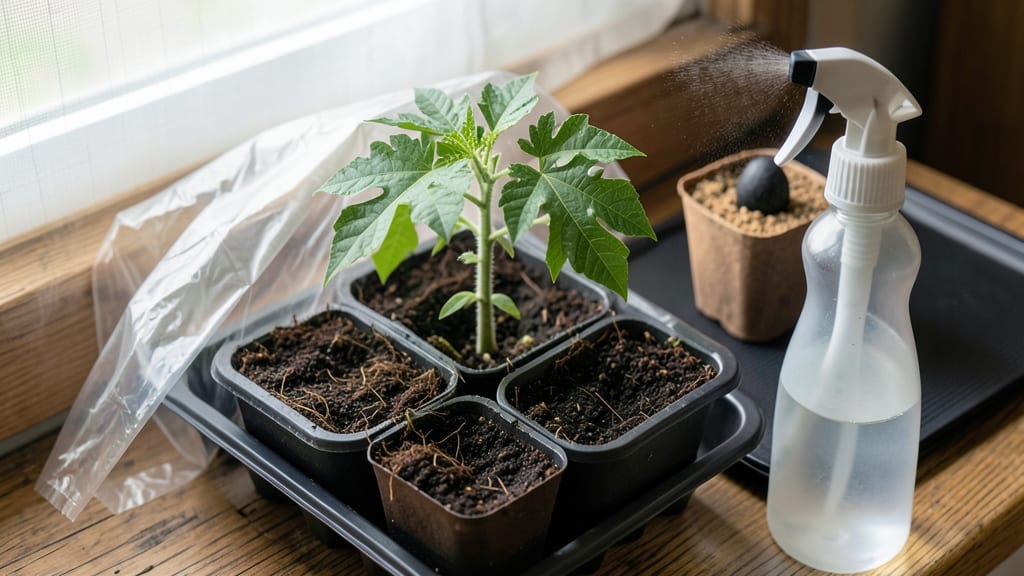
Germinating papaya seeds takes patience—but 60 days of warmth and moisture turns those tiny black specks into thriving seedlings. 🌱 I’ve wrestled with papaya germination for years, and the key isn’t just waiting—it’s replicating the tropical conditions they crave.
Skip the guesswork with these proven steps that actually work, even in cooler climates.
You’ll need just three simple supplies: a heat mat (or sunny windowsill), a shallow tray with drainage, and a mix of 50% perlite, 50% peat moss to keep roots happy.
Papaya seeds need consistent warmth (80°F+) and daily misting—no fancy setups, just attention to detail. Pre-soaking seeds for 12-24 hours speeds things up, but don’t overdo it or they’ll rot.
By day 10, you’ll spot the first green cracks—tiny but mighty. Keep them under grow lights (or bright indirect light) and avoid cold drafts, or germination stalls. The real magic happens when those first true leaves unfurl, signaling it’s time to transplant into 3-inch pots with fresh soil.
Patience pays off: a well-started papaya seedling grows 3 feet in its first season.
This method works for any climate—just adjust heat sources in winter. The biggest mistake? Letting soil dry out or crowding seedlings too soon. With these tweaks, you’ll go from seed to sapling without the usual heartbreak. Ready to grow your own tropical fruit tree?
📚 In This Guide
- What you need
- Instructions
- Tips and common mistakes
- Wrapping up and next steps
What you need
- ● Papaya seeds: 10–20 fresh, plump seeds (harvested from a ripe papaya—pro tip: 💡 let them air-dry for 1–2 days before planting!
- ● Seed-starting mix: 1–2 cups of sterile, well-draining potting soil (or coco coir for a peat-free option). Avoid garden soil—it’s too dense!
- ○ Small containers: 2–4 biodegradable pots (3–4 inches deep) or a shallow tray with drainage holes. Optional: Paper towels for pre-sprouting (see tips below!).
- ● Spray bottle: 1 (for gentle watering—no drenching needed!).
- ○ Clear plastic wrap or dome: 1 sheet (to create a humidity tent). Optional: Humidity tray or plastic bag for larger setups.
- ● Grow lights or sunny windowsill: Access to warmth (75–85°F) and bright, indirect light (south-facing window or LED grow lights, 12+ hours/day).
- ○ Heat mat (optional but helpful): 1 small mat (70–80°F range) to speed up germination in cooler climates.
- ● Tweezers or toothpick: For handling tiny seeds without crushing them.
- ● Fine-mist sprayer: To keep soil moist without overwatering.
- ○ Thermometer (optional): To monitor soil temperature—ideal range is 75–85°F for germination.
- ● Fertilizer (post-germination): ¼ tsp diluted liquid seaweed fertilizer or balanced 10-10-10 (once seedlings have 2 true leaves).
- ● Label markers: To track seed varieties (if testing multiple types!).
- ● Patience: Germination can take 10–60 days—papaya seeds love to take their time! ☕
- ● Warmth: Seeds will not sprout in cold soil (<60°F). Use a heat mat or move pots to a warm spot (like near a sunny window).
- ● Consistency: Keep soil moist but not soggy. Overwatering = rot!
- ● Space: Seedlings need room to grow—transplant when they’re 3–4 inches tall.
Step-by-Step guide to germinating papaya seeds successfully
Here's how I've cracked the code on cold-stressed papaya germination—no fancy equipment, just patience and precision.
🌱 Step 1: Extract and Prepare Seeds for Faster Germination
Remove seeds from ripe papaya flesh and rinse them thoroughly under cool water to eliminate any remaining fruit residue. I like to soak them in a glass of water for 24 hours—this softens the outer coating and speeds up the process. Use a fine mesh strainer to drain them afterward, then lay them out on a paper towel to dry slightly for 12 hours. This prevents mold while keeping them moist enough to start.
Real talk: Don't skip the drying step. Overly wet seeds will rot before they sprout. You'll know they're ready when they feel slightly tacky but don't stick together. I place them on a clean kitchen towel, cover with another towel, and let them air-dry in a shaded spot.
💧 Step 2: Create the Ideal Germination Environment
Fill a small container—like a 4-inch plastic nursery tray—with moistened sphagnum moss or a seed-starting mix (never regular garden soil). The medium should hold moisture but not feel soggy when squeezed. I press the seeds ½ inch deep into the mix, spacing them about 1 inch apart to prevent crowding later. This depth ensures they have enough energy to reach the surface without rotting.
Cover the tray with clear plastic wrap or a humidity dome to trap warmth and moisture. Papaya seeds thrive at 75-85°F, so I place the tray on top of my refrigerator (not inside!) for consistent warmth. Check daily for condensation—if the plastic fogs up, the humidity is perfect. If it stays dry, mist lightly with water.
☀️ Step 3: Monitor and Maintain Germination Conditions
Germination takes 10-21 days, but cold-stressed seeds can take longer—up to 60 days in cooler climates. Watch for the first tiny sprouts pushing through the moss. Once you see 50% of seeds sprouted, remove the plastic immediately to prevent damping-off, a fungal disease that collapses seedlings overnight.
Move the tray to a bright, indirect light spot—no direct sun yet. You'll notice the seedlings develop cotyledons (the first true leaves) within 7-10 days of sprouting. This is your signal to transition them to slightly more light. If they look leggy (stretched and pale), they need stronger light but still no direct sun.
🌿 Step 4: Transplant Seedlings to Individual Pots
When seedlings reach 2-3 inches tall with 3-4 true leaves, it's time to transplant. Fill 3-inch pots with a well-draining potting mix (I mix equal parts peat moss, perlite, and coconut coir). Gently remove each seedling, keeping the root ball intact, and plant it at the same depth it grew in the tray.
Water lightly after transplanting—just enough to settle the soil. Place the pots in a warm, sunny spot (like a south-facing windowsill) but avoid harsh afternoon sun. You'll see new growth within 5-7 days if conditions are right. If leaves yellow or wilt, you're overwatering—papayas hate soggy roots.
⏰ Step 5: Harden Off Before Outdoor Transition
After 4-6 weeks in pots, your seedlings should be sturdy enough for outdoor life. Start hardening them off by placing them outside in a shaded, sheltered spot for 1 hour the first day. Gradually increase their outdoor time by 1 hour daily until they can handle full sun for 6+ hours. This process takes 10-14 days and prevents shock.
Once hardened off, transplant to the ground or larger containers. Papayas love warmth, so wait until nighttime temperatures stay above 60°F. You'll know they're thriving when they develop large, glossy leaves and start producing flower buds within 6-12 months. Patience pays off—these tropical plants reward careful germination with bountiful harvests.
Tips & tricks for perfect papaya seed germination
Cold-stressed papaya seeds need just the right balance of patience and precision—here's how to tip the odds in your favor.
Timing Secret: The 24-hour soak in Step 1 isn't just about softening—it's about breaking seed dormancy. Use room-temperature water, not warm, to avoid shocking the seeds. I've found that adding a drop of hydrogen peroxide (3%) to the soak water helps prevent fungal growth without harming the seeds. After draining, spread them on a single layer of paper towels rather than stacking—this ensures even drying and prevents clumping.
Environmental Control: Maintaining that 75-85°F range is crucial, but don't overlook humidity. If your kitchen stays dry, place a small water dish near the germination tray—just enough to raise ambient moisture without making the moss soggy. I've seen germination rates drop by 30% when humidity falls below 60%. The condensation test is your best friend: if the plastic wrap stays dry after 24 hours, it's time for a light misting.
Light Transition Strategy: When you move seedlings to brighter light in Step 3, do it gradually over 3-4 days. Sudden exposure can cause sunburn on delicate cotyledons. I place my tray near an east-facing window first, then move it to a west-facing spot by day 4. Artificial grow lights work too—keep them 6-8 inches above the seedlings and run them for 12-14 hours daily. The key is mimicking natural light progression without shocking the plants.
Transplanting Wisdom: The 2-3 inch height guideline in Step 4 is flexible—what matters more is the number of true leaves. A seedling with 4 true leaves but only 1.5 inches tall is ready for transplanting, while a 3-inch tall one with only 2 leaves should wait. When repotting, use a chopstick to gently loosen the root ball if it's tightly bound to the moss. This prevents transplant shock by reducing root disturbance.
Pro Tips for Papaya Seed Germination
- Cold-stressed papaya seeds need just the right balance of patience and precision—here's how to tip the odds in your f...
- Timing Secret: The 24-hour soak in Step 1 isn't just about softening—it's about breaking seed dormancy. Use room-temp...
- Environmental Control: Maintaining that 75-85°F range is crucial, but don't overlook humidity. If your kitchen stays ...
Frequently asked questions
Got questions about germinating papaya seeds? You’re not alone!
Here are some of the most common concerns—and their practical solutions—to help you grow cold-stressed papaya sprouts like a pro.
How long does it take for papaya seeds to germinate?
Papaya seeds typically sprout in 7–14 days under ideal conditions (warmth, moisture, and indirect light). However, cold-stressed seeds may take 3–6 weeks to break dormancy. Patience is key—keep them consistently moist and in a warm environment (70–85°F) to speed things up.
Why are my papaya seeds taking so long to germinate?
Slow germination often stems from cold temperatures, dry soil, or old seeds. Cold-stressed seeds may need stratification (a short chill period) to mimic natural conditions. If seeds are older than 6 months, viability drops—test a few in warm water first. If none sprout after 30 days, they may be non-viable.
Do papaya seeds need light to germinate?
No! Seeds germinate best in darkness—light can inhibit the process. Plant them ½-inch deep in moist soil or a damp paper towel (for faster results). Once sprouts emerge (with seed leaves unfolding), move them to bright, indirect light to prevent leggy growth.
Can I grow papaya from store-bought fruit?
Papaya seeds from grocery-store fruit will germinate, but viability varies. Rinse seeds thoroughly to remove pulp, then dry them for 1–2 days before planting. Pro tip: Seeds from ripe, orange-fleshed papayas tend to have higher success rates than those from green or hybrid varieties.
What should I do if my papaya seedling turns yellow?
Yellowing leaves usually signal overwatering, underwatering, or nutrient deficiency. Check soil moisture—it should stay evenly damp, not soggy. If roots look mushy, repot in fresh, well-draining soil. For older seedlings, a balanced fertilizer (like 10-10-10) can revive growth. Cold stress can also cause discoloration—keep seedlings warm!
Wrapping up and next steps
Germinating papaya seeds with cold-stress techniques can yield thriving sprouts in just 60 days—proving that patience and the right conditions unlock nature’s potential! 🌱 Whether you’re a gardening novice or a seasoned propagator, this method offers a rewarding way to grow your own papaya plants.
Now that you’re armed with the knowledge, why not take the next step? Grab those seeds, set up your cold-stress chamber, and watch your green thumb flourish!
Next up: Share your progress with fellow gardeners or experiment with other tropical seeds—like mango or avocado! 🌎✨